

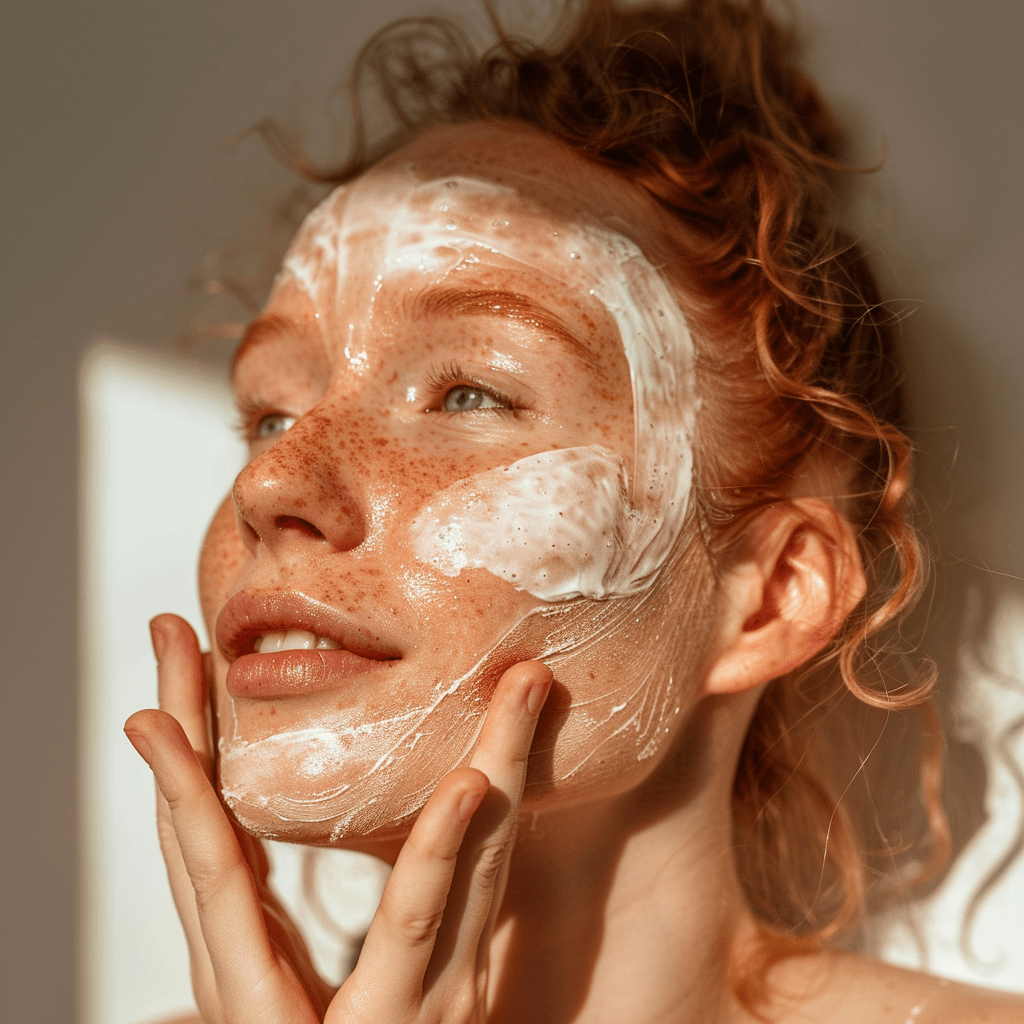
In the previous posts, we delved into the science behind sunburns and demystified SPF to understand how sunscreen works. Now, let’s address common misconceptions about sunscreen and provide practical tips for incorporating sun protection into your daily skincare routine. As we conclude this three-part series, let’s empower ourselves with knowledge to safeguard our skin from the sun’s harmful rays.
Debunking Sunscreen Myths:
Despite the widespread use of sunscreen, several myths and misconceptions persist. Let’s debunk some of the most common ones:
Myth 1: I don’t need sunscreen on cloudy days.
Reality: Clouds do not block UV radiation entirely, and UV rays can penetrate clouds and reach your skin. It’s essential to wear sunscreen even on cloudy days to protect your skin from sun damage.
Myth 2: I only need sunscreen when I’m at the beach or pool.
Reality: Sunscreen should be part of your daily skincare routine, regardless of your location or outdoor activities. UV radiation can reach your skin even on overcast days or through windows indoors.
Myth 3: I can rely on makeup with SPF for sun protection.
Reality: While makeup with SPF offers some protection, it’s typically not enough on its own. Apply a dedicated broad-spectrum sunscreen underneath your makeup for comprehensive sun protection.
Myth 4: I don’t need to reapply sunscreen if it’s labeled as “waterproof.”
Reality: No sunscreen is entirely waterproof, and water-resistant sunscreens lose their effectiveness after swimming or sweating. Reapply sunscreen every two hours or more frequently as directed, especially after swimming or sweating.
Practical Tips for Sun Protection:
Now that we’ve dispelled common sunscreen myths, let’s explore practical tips for sun protection:
- Apply Sunscreen Daily: Incorporate sunscreen into your daily skincare routine, even on cloudy days or during the winter months. Choose a broad-spectrum sunscreen with SPF 30 or higher and apply it generously to all exposed skin.
- Reapply Sunscreen: Remember to reapply sunscreen every two hours or more frequently if swimming, sweating, or towel drying. Don’t forget to cover commonly overlooked areas such as ears, neck, and tops of feet.
- Seek Shade: Limit your time in direct sunlight, especially during peak UV hours (10 a.m. to 4 p.m.). Seek shade under umbrellas, trees, or awnings when outdoors.
- Wear Protective Clothing: Cover up with lightweight, tightly woven clothing, and wear a wide-brimmed hat and sunglasses for added protection against UV radiation.
As we conclude this three-part series on sun protection, let’s prioritize the health of our skin by incorporating sun-safe behaviors into our daily lives. By understanding the science behind sunburns, SPF, and debunking sunscreen myths, we can make informed decisions to protect our skin from the sun’s harmful effects. Remember, sun protection is not just a seasonal necessity—it’s a lifelong commitment to maintaining healthy, radiant skin.
Together, let’s embrace sun-safe habits and enjoy the sunshine responsibly!
xoxo
-S
 Diet Coke and Hair-Spray
One last question…Does sunscreen also prevent tanning?
The Momma (my phone wouldn’t login)
LikeLiked by 1 person
It *can*. Here is a good article from Dermatology and Skin Health that breaks that down further, but I didn’t really do too much research into that aspect because I don’t tan. LOL https://dermskinhealth.com/does-sunscreen-prevent-tanning-debunking-the-myth/#:~:text=In%20the%20end%2C%20no%20sunscreen,capacity%20than%20the%20SPF%20alone.
LikeLike
Thank You!
LikeLike