

(Even If You’re Getting Stronger)
This weekend wrecked me. In the best way, and also in the what is happening to my body kind of way.
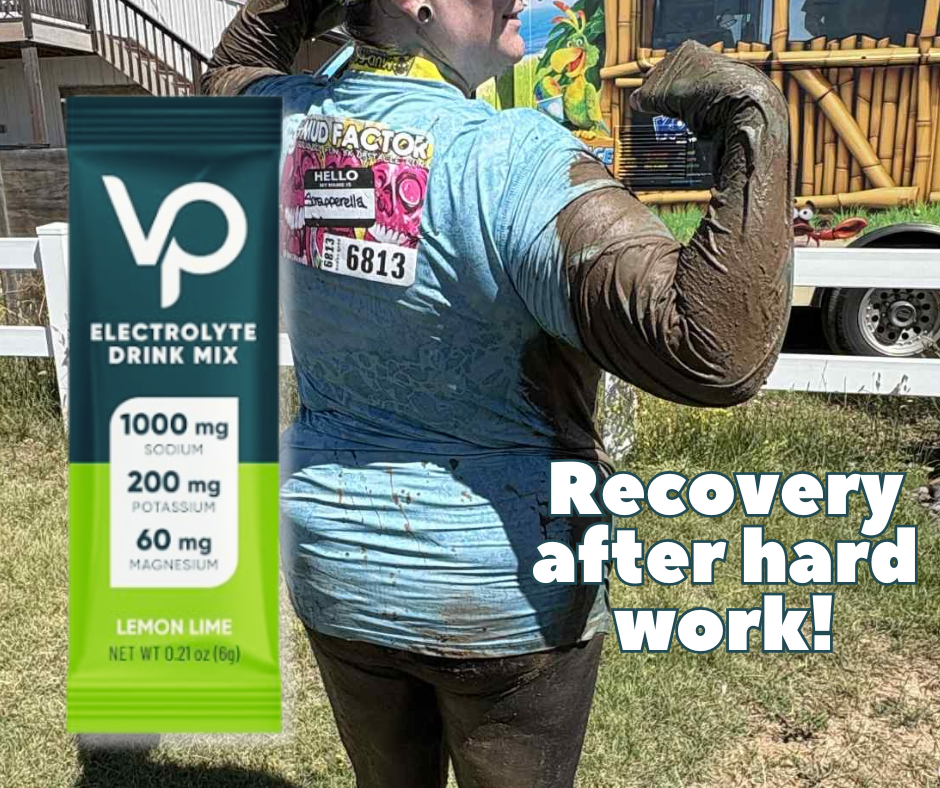
I did a high-level, three-hour derby practice that pushed every limit I had. Then I turned around the next day and ran a full mud run. We’re talking slick hills, army crawls, water pits, and laughing so hard my ribs hurt. My legs were toast, my face sunburned, and my body? Puffier than a can of biscuits in July heat.
When I stepped on the scale Monday morning, I was almost four pounds heavier than the day before.
But here’s the thing. I didn’t gain four pounds of fat.
I didn’t backslide.
I’m not undoing my progress.
And if this sounds familiar to you, neither are you.
This is one of the most common experiences people have after a tough workout. Weight gain after intense exercise is real, but it isn’t what you think.
Why Your Body Holds Onto Weight After a Workout
When you train hard, especially multiple days in a row, your body goes into full repair mode. And that comes with some misunderstood side effects.
Inflammation From Muscle Repair
Intense activity creates tiny tears in your muscle fibers. That’s how you get stronger. Your body sends extra fluid and immune cells to repair the damage. The result? Swelling, puffiness, and water retention. Not fat gain.
Glycogen Storage Brings Water With It
After depleting your energy stores, your body works to restock. Glycogen, which is stored carbohydrate, binds to water. For every gram of glycogen, your body holds onto three to four grams of water. So when your muscles refuel, your weight temporarily goes up.
Cortisol Triggers Fluid Retention
Physical stress, even the positive kind, spikes cortisol. That hormone helps with repair but also causes your body to hold onto water, especially in the face and legs.
Lymphatic Slowdown
Your lymph system flushes out waste and excess fluid. After big exertion, it can get overwhelmed. Fluid may pool, leading to puffiness in the face, legs, and hands.
What I’m Doing to Recover (and What Might Help You Too)
Because this is about care, not panic!
- Hydration, but make it electrolytes. Water alone isn’t enough. Electrolytes help pull fluid into cells where it belongs and flush the rest.
- I’m a big fan of LMNT, but I’m also a champagne girl on a beer budget; lately I’ve been loving these electrolyte sticks that I find highly comparable to LMNT for a much lower price point!
- Movement that doesn’t suck. I’m walking, stretching, and foam rolling. Nothing heroic. Just keeping things flowing.
- Sleep. Not always easy, but non-negotiable. That’s when the real repair happens.
- Compression. I’m not above rocking my derby leggings off-track. They help.
- Magnesium. It eases soreness, supports muscle repair, and helps release excess fluid.
- Not cutting food. My body needs fuel right now, not punishment.
This Is What Getting Stronger Looks Like
We’re so conditioned to fear the scale. To see a few extra pounds and think we failed.
But in reality, this kind of temporary weight gain is a sign that your body is healing. Muscles are repairing. Systems are rebalancing. You are getting stronger, not slipping backward.
Post-workout inflammation and water retention are normal parts of recovery, especially for women lifting heavy, training hard, or pushing limits in sports like derby.
So if you’ve ever felt confused or discouraged by scale fluctuations after a hard weekend, let this be your reminder.
You didn’t gain weight.
You gained progress!
That’s the kind of weight I’ll carry it proudly.
xoxo
-S
Affiliate Disclosure: This post contains affiliate links. If you click on these links and make a purchase, I may earn a small commission at no additional cost to you. I only recommend products and services that I personally use and believe in. Thank you for supporting my blog!
 Diet Coke and Hair-Spray