
Cindi Estrada Has Her Name Back

Wyoming Cold Case Solved After 33 Years

After 33 years, I-90 Jane Doe has been identified as Cindi Arleen Estrada. This in-depth true crime post explores her life, the Wyoming cold case, the arrest of Clark Perry Baldwin, and how forensic genealogy finally gave her name back.

In the spring of 1992, a Wyoming road crew working near Interstate 90 outside Sheridan discovered the body of a young woman in a drainage ditch. She had no identification, no known connection to the state, and no vehicle nearby. No one had reported her missing. Investigators had no clear path to her past and no one to speak for her.

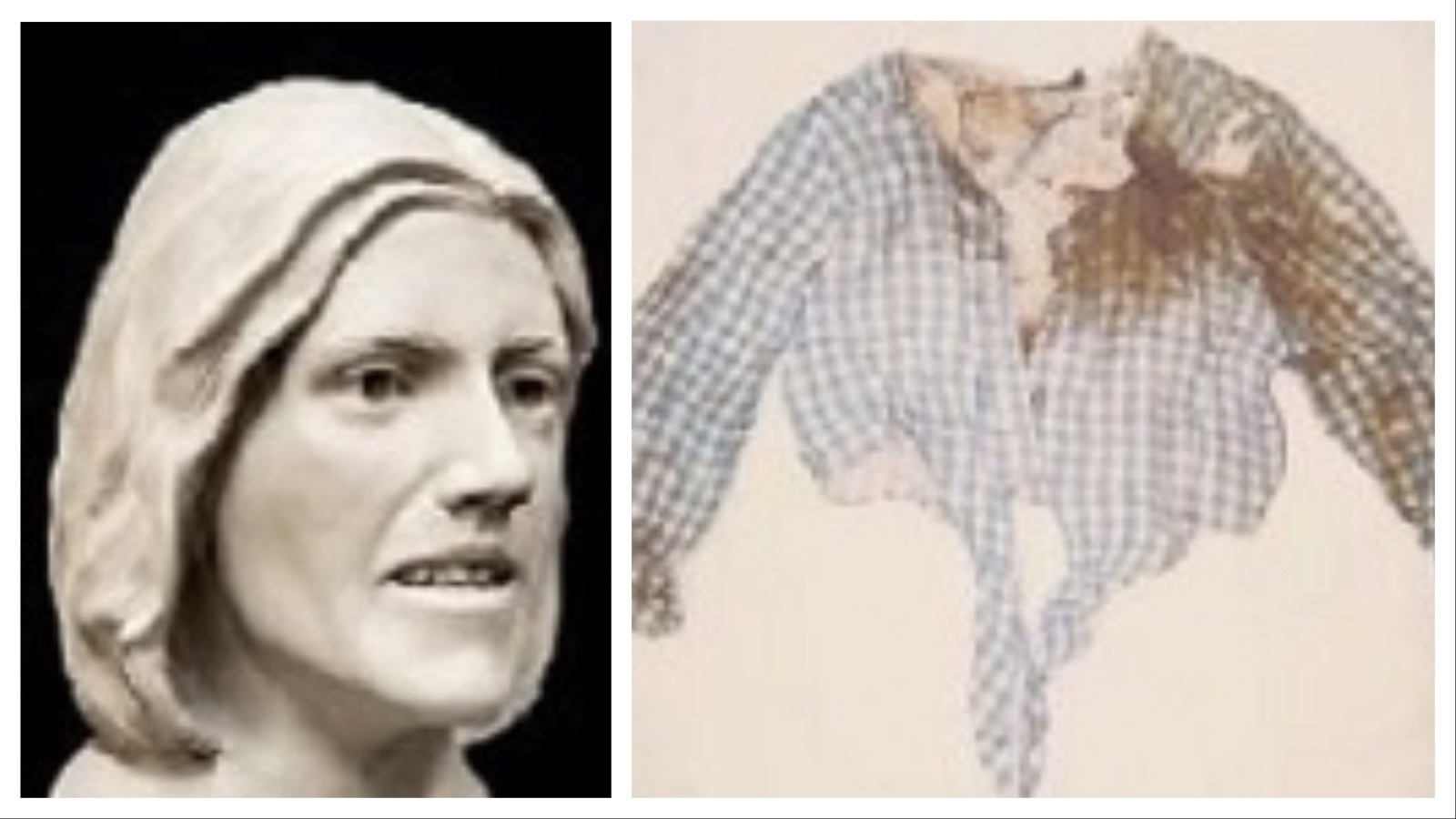
She was entered into case files as I-90 Jane Doe, her face reconstructed through clay models and later in digital renderings. For decades, she remained one of thousands of unnamed victims in cold case databases.

After thirty-three years, she finally has her name back. She was Cindi Arleen Estrada, a 21-year-old woman from Torrance, California. She had a history, a family, and a life before Wyoming. Now, that story can be told.

She Was Not Forgotten

Cindi was born in Southern California in 1971. She had long brown hair, wide-set eyes, and a softness in her expression that survived even in the few photographs that remain. She grew up in the neighborhoods south of Los Angeles, surrounded by the noise and energy of city life.

Her early years were not without hardship. She spent time apart from her biological family, later reconnecting with them. Friends and relatives recall a young woman navigating her twenties with resilience and a search for belonging.

By 1992, she was in Torrance, keeping in touch with family intermittently. She was young, looking for stability, and trying to shape a life that felt like her own. Then, she disappeared.

Two Wyoming Jane Does, One Killer

On April 8, 1992, Cindiโ€™s body was found near Interstate 90. A month earlier, on March 1, another woman was discovered near Bitter Creek, close to Rock Springs. This woman was also unidentified and became known as Bitter Creek Betty, later confirmed to be Irene Garcia Vasquez.

Both women were found nude, left near major highways in Wyoming, and murdered in similar ways. Neither had identification, and neither was connected to the state by residence or work. For years, the two murders remained separate cold cases with no clear suspect.

How DNA Connected the Cases

Advancements in forensic science changed everything. Evidence from both women was re-examined, and the DNA profiles matched the same man. That man was Clark Perry Baldwin, a former long-haul truck driver with a history of violence against women and a connection to other murders in multiple states.

Baldwin had been investigated in the early 1990s for assault but evaded serious charges. His work as a truck driver gave him access to isolated locations and allowed him to move freely across state lines. This mobility let him hide in plain sight, targeting women who were vulnerable or traveling alone.

In 2020, Baldwin was arrested. He was convicted in Tennessee for another murder and now faces extradition to Wyoming to stand trial for the murders of Cindi Estrada and Irene Garcia Vasquez.

Forensic Genealogy Gives Cindi Her Name

Even after Baldwinโ€™s arrest, I-90 Jane Doe remained unnamed. That changed when investigators turned to forensic genealogy. By uploading her DNA profile to public ancestry databases, they identified distant relatives and began building a family tree.

Eventually, this led to her biological mother, who provided the confirmation investigators needed. After decades of uncertainty, Cindiโ€™s mother finally knew what had happened to her daughter.

What We Know About Her Final Days

Cindi had no known reason to be in Wyoming. She may have been hitchhiking, traveling to meet someone, or simply trying to get to another city when she crossed paths with Baldwin. His pattern shows he exploited the trust of women who were traveling, isolating them before committing the crime.

It is believed she was killed elsewhere and her body was left near Sheridan, far from her home and those who knew her. Her life was stolen, her name erased, and her case left unsolved for over three decades.

A Second Name Returned

With Cindiโ€™s identity confirmed, prosecutors can now move forward with charging Baldwin for her murder and for the murder of Irene Garcia Vasquez. Both women have their names restored. Both cases are active again.

These women are not just cold case statistics. They are part of Wyomingโ€™s history, and their stories will now be told in court.

Why Cindiโ€™s Story Matters

Cold cases often fade from public attention, but each one represents a person with a full life, dreams, and loved ones left behind. Cindiโ€™s identification is the result of persistence, improved technology, and the refusal of her family and investigators to give up.

She was never just a body found along the highway. She was a daughter. She was loved. And now, she is remembered by name.

Her name is Cindi Arleen Estrada. She was 21 years old. She mattered in life, and she matters now.

xoxo
-S

As an amateur true crime writer, I strive to provide accurate and well-researched information. However, please be aware that I am not a professional investigator or journalist, and my work is based on available sources and my understanding of the case. There may be inaccuracies or incomplete details in my posts. I encourage readers to seek out additional sources and verify information from official and professional channels. Thank you for your understanding and support.
Beneath the Surface

The Utah Pond Discovery and the Families Still Waiting

Thereโ€™s a stillness to certain places that makes them feel like theyโ€™re holding their breath.

In West Valley City, Utah, just beyond a nondescript stretch of road framed by office buildings and golf course green, thereโ€™s a pond that looks like it belongs to no one. People pass by it every day: commuters, delivery trucks, the casual jogger. It blends into the background of suburbia. You wouldnโ€™t look twice.

But on March 25, 2025, a fisherman stopped there, maybe looking for a little quiet. What he found instead was a human skull. And then bones. Scattered. Settled. Like theyโ€™d been waiting there all along.

That discovery shifted everything. Not just for investigators, but for the families of Utahโ€™s missing. For the mothers and sisters whoโ€™ve spent years staring down silence, bracing for the worst kind of answer.

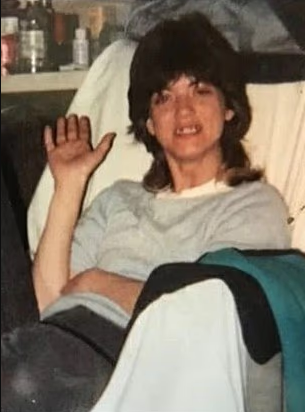
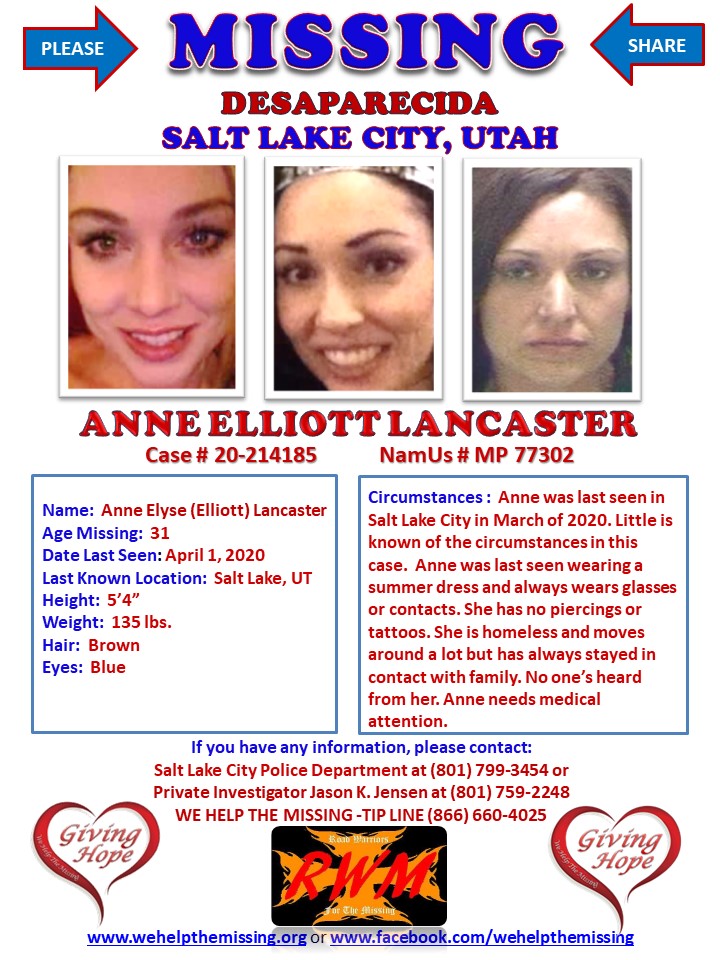
Emily Nardacci was one of the first to hear. When your sister is missing, you develop a radar for every headline, every police update, every whisper of an unidentified body. Anne Elliott disappeared from Salt Lake City nearly five years ago. She was 37 years old. The last time anyone saw her was near 2100 South and 500 East, walking away from the life she was trying so hard to fix.

The pond now swarming with law enforcement and search crews is just six miles from where Anne vanished.

Emily has learned to manage her expectations. Sheโ€™s practiced at it. But the weight of this possibility presses in from both sides. Thereโ€™s dread and thereโ€™s longing. She doesnโ€™t want this to be Anne. And at the same time, sheโ€™s desperate for something to break the silence.

Anne wasnโ€™t just another name on a flyer. She was born and raised in Douglas, Wyoming. She was fiercely intelligent and tenderhearted. She struggled, like many do, with addiction and trauma. She was also a mother. A sister. A friend. She mattered. And when she disappeared on May 5, 2020, she didnโ€™t take her keys or her phone. She simply vanished.

The search turned up nothing. No security footage. No credit card activity. No confirmed sightings. Her family has spent years trying to keep her name alive. Theyโ€™ve spoken to the media, pleaded with the public, lit candles, and cried through birthdays and holidays.

Now, this discovery is too close to ignore.

And Emily isnโ€™t the only one holding her breath.

Marilyn Stevenson has lived this nightmare since 2017. Her son, Justin Hooiman, disappeared from Salt Lake City without a trace. He was 31. Funny, loyal, and quick with a smile that could cut through the worst day. He had a past too. Run-ins with the law. Addiction. Ongoing struggles. But he called his mom regularly. He checked in. He always came home.

Until he didnโ€™t.

Marilyn has never stopped looking. She keeps boxes of flyers in her car and photos in her purse. She checks unidentified remains databases the way others check the weather. The discovery in the pond brought the grief back to the surface.

Every time a body is found, someone receives an answer. At the same time, someone else receives an ending.

Just one day after the remains were found in West Valley City, another discovery was made. This time, it was a black trash bag dumped along a rural road near Brigham City, about 60 miles north. Inside was a woman. Still unidentified. Reddish-brown hair. A small heart tattoo on her left bicep.

The bag had been there long enough to blend into the brush. Long enough to be overlooked, until someone finally noticed.

Investigators have not said whether the two cases are connected. But for families of the missing, the timing is impossible to ignore. Two women. Two days. Two sets of remains. Utah holds more than its share of missing persons. Cold cases rarely stay cold forever.

Eventually, the ground returns what it has been holding.

The Utah Office of the Medical Examiner is working to identify the remains. DNA testing is in progress. But results take time. Weeks, sometimes months. And for the people waiting on the other end of that call, time moves slowly and sharply.

Emily doesnโ€™t know what outcome she wants. Neither does Marilyn. Closure is a myth they stopped believing in a long time ago. Nothing makes it whole again. There is only knowing or not knowing. Most days, they live somewhere in between.

One of the hardest parts is how easily these stories are overlooked. Anne Elliott wasnโ€™t a stranger from a headline. She was from Wyoming. From the same kind of place that raises cattle and kids and women who will burn the world down for their families. Justin Hooiman wasnโ€™t a statistic. He had people who loved him. People who still do. People who miss him every day.

And the woman in the trash bag? She belonged to someone too. Maybe someone who has been searching for her. Maybe someone who still doesnโ€™t know sheโ€™s gone.

This isnโ€™t just another news story. Itโ€™s a collection of unfinished lives. There are names we donโ€™t know yet. There are people who went missing, and others who never stopped waiting.

The names of the people in the pond and in the bag are still unknown. But they mattered. They were loved. And someone out there remembers them. Someone knows what happened.

Now we wait. With the mothers. With the sisters. With the silence.

These are not just remains. They are people. They are stories. And they deserve to be brought home.

xoxo
-S

As an amateur true crime writer, I strive to provide accurate and well-researched information. However, please be aware that I am not a professional investigator or journalist, and my work is based on available sources and my understanding of the case. There may be inaccuracies or incomplete details in my posts. I encourage readers to seek out additional sources and verify information from official and professional channels. Thank you for your understanding and support.
The Silence in Room 5

Unraveling the 2007 Murder of Anita Knutson

I usually reserve my true crime posts for Thursdays, but this one needed a minute.

With the trial wrapping up on Wednesday and so much emotion surrounding the verdict, I wanted to take a little more time before putting this together. Anitaโ€™s story deserves that.

Also – I really wanted this to get out quickly. So today we are out of order.


The Weekend No One Heard From Her

Anita Knutsonโ€™s phone had stopped ringing. Her texts had gone unanswered.

By Monday morning, June 4, 2007, she hadnโ€™t shown up for her shift at the hotel. She hadnโ€™t called her mom back. She wasnโ€™t answering when her dad, Gordon, tried to reach her.

She was 18. A freshman at Minot State University. Living in a basement apartment on 11th Avenue NW. She worked two jobs. She checked in often. She didnโ€™t disappear.

When Gordon drove to the apartment that morning, he brought the building manager and a maintenance worker with him. The door was locked. Everything was still.

They circled the building to the back. Thatโ€™s when they saw the window screen, torn and thrown into the grass.

Gordon looked through her bedroom window and saw Anita lying on her bed, facedown, with a white bathrobe draped across her back.

She looked like she was sleeping. He reached through the window to wake her up.

Her body was cold.

What Was Missing, and What Wasn’t

Anita had been stabbed twice in the chest.

There were no defensive wounds. No struggle. No sign that she had tried to run. The apartment wasnโ€™t ransacked. Her wallet and cash were still there. Her phone was still plugged in. The only thing missing was her pink iPod.

Whoever had killed her hadnโ€™t broken in. Investigators determined the screen had been cut from the inside. The scene had been staged.

And the only person who shared the apartment with her, the only other person with a key, was nowhere to be found.

The Roommate

Nineteen-year-old Nichole Rice told police sheโ€™d spent the weekend at her parentsโ€™ farm. She wasnโ€™t home when Anita was killed, she said. She didnโ€™t know anything about it.

But her story shifted. She gave different accounts about how sheโ€™d found out. At one point she said she heard it from the news. Then from her boyfriend. Then a mutual friend.

She didnโ€™t seem upset, investigators said. Not shocked. Not confused.

And she already knew about the missing iPod, a detail that had never been released.

Trouble in the Apartment

The girls hadnโ€™t been close. Anita had complained to friends that there was tension. Disagreements about chores, about space, about a boy. Small things, but things that had made her uncomfortable. Her friends and coworkers said she was trying to stick it out, hoping things would settle with time.

Nichole wasnโ€™t arrested. There were no fingerprints. No murder weapon. No security footage.

Anitaโ€™s funeral came and went. And the case, like so many others, quietly went cold.

A Second Funeral

It would take less than two years for the Knutson family to bury their second child.

Anitaโ€™s younger brother, Daniel, was just sixteen when she died. The grief hit him hard. He became quiet. Then withdrawn. He was close to his sister. She had been his person. And when she was taken, something in him unraveled.

Eighteen months after Anitaโ€™s murder, Daniel died by suicide.

There is no way to say that without it sitting heavy in your chest. No way to describe the kind of silence that follows two funerals, two lives lost, and no one held accountable.

The Confessions

In 2008, a man named William May told investigators that Nichole Rice had confessed to him the year before. They had been drinking. He said she told him she had killed her roommate. That it had been eating her alive.

Another woman came forward and said Rice had confessed again. This time in frustration. People were gossiping. She was tired of the rumors. She blurted it out. โ€œI did it,โ€ she said. โ€œI killed her.โ€

Both reports were made. Neither was followed up at the time in a way that changed the course of the investigation.

Nichole Rice went on with her life. She got married. Took a government job. Stayed in Minot.

And Anitaโ€™s room stayed empty.

An Arrest at Last

In 2022, the case was reopened with help from Cold Justice. A cold case detective revisited the timeline, the witness statements, and the missed opportunities. That March, police arrested Nichole Rice and charged her with the murder of Anita Knutson.

At the time of her arrest, she was working on base at Minot Air Force as an administrative assistant.

She was taken into custody quietly, fifteen years after Anita was found facedown in her bed.

The Trial

The trial didnโ€™t begin until March 2025. The venue was moved to Grand Forks due to pretrial publicity.

The prosecution laid out a timeline that had never made sense. They presented the confessions. The inconsistencies. The missing iPod. They pointed out how the window screen had been cut from the inside. They told the jury what Anitaโ€™s family had known in their bones since 2007.

The defense argued that the case was built on memory and emotion. That there was no forensic evidence tying Rice to the scene. That she had simply been young, confused, and gossiped about.

After five and a half hours of deliberation, the jury returned a verdict.

Not guilty.

The Silence After the Verdict

Nichole Rice walked out of the courtroom.

There are no other suspects. The case is closed. The silence, once again, settles.

And What We’re Left With

There are cases that feel unclear. This has never been one of them.

From the earliest days of the investigation, something in this story stood out. The coldness. The timeline. The changing explanations. The details that shouldnโ€™t have been known. The pieces that didnโ€™t add up.

What the jury decided doesnโ€™t erase what this family has lost. It doesnโ€™t bring back Anita. It doesnโ€™t bring back Daniel. And it doesnโ€™t answer the questions that have quietly lived in this case since the moment Gordon reached through his daughterโ€™s window and realized she was gone.

Itโ€™s not my place to declare guilt. But I can say this. Some verdicts donโ€™t feel like endings.

This one feels like a pause. And a deeply painful one at that.

Because the truth didnโ€™t get to speak that day.

The silence did.

Stay Curious…

xoxo
-S

As an amateur true crime writer, I strive to provide accurate and well-researched information. However, please be aware that I am not a professional investigator or journalist, and my work is based on available sources and my understanding of the case. There may be inaccuracies or incomplete details in my posts. I encourage readers to seek out additional sources and verify information from official and professional channels. Thank you for your understanding and support.

The Fugitive Who Vanished

The 42-Year Hunt for Stephen Craig Campbell

Some crimes donโ€™t just shake a community; they get under its skin, burrowing deep into the townโ€™s collective memory. For the people of Rock Springs, Wyoming, August 23, 1982, was one of those nights. A seemingly normal evening was shattered by a violent explosion that left lasting scars, not just on the victims but on an entire town that had to live with the knowledge that the man responsible had slipped away.

A Bomb, A Betrayal, and A Vanishing Act

It started with a red metal toolbox, sitting outside a modest home like it had every right to be there. Except this one wasnโ€™t filled with tools. It was packed with explosives. The woman who opened it, Stephen Craig Campbellโ€™s ex-wife, had no idea what she was walking into. She wasnโ€™t even the intended target, but that didnโ€™t matter when the blast ripped through her hand, severing a finger and sending shrapnel tearing through the house. Fire swallowed the structure and the one next to it, leaving nothing but wreckage in its wake.

Her boyfriend, the one Campbell had been aiming for, was unharmed. But lives had already been altered forever.

Investigators barely had to connect the dots. Campbell had a history of anger, and he had been stewing ever since his marriage fell apart. He was arrested almost immediately, facing attempted first-degree murder charges. With the evidence stacked against him, it should have been an open-and-shut case. But Campbell had other plans.

Houdini in an Orange Jumpsuit

After posting bail in early 1983, Campbell did what no one expected. He disappeared. Vanished. No digital footprint, no trace, no whispers about his whereabouts. It was like he had ceased to exist.

And for decades, thatโ€™s exactly what it seemed like. The case went cold, investigators hit dead ends, and Campbellโ€™s mugshot just gathered dust on most-wanted lists.

But hereโ€™s the thing about ghosts. Sometimes, they leave fingerprints.

The Man Who Wasn’t There

It took years, but eventually, someone noticed that Campbell had done more than just go into hiding. He had stolen an entire life. His new identity belonged to Walter Lee Coffman, a man who had died in a motorcycle accident in 1975. Campbell had taken his name, his Social Security number, and anything else that would make him look like an average citizen.

For decades, he lived as Coffman, keeping his head down in the mountains of Weed, New Mexico. He owned land, paid taxes, and even collected government benefits. Because whatโ€™s a little fraud when youโ€™ve already dodged a murder charge?

Detectives tried over and over to track him, but Campbell had buried himself deep. Every time someone thought they had a lead, he slipped away again.

The Mistake That Cost Him Everything

For a guy who had been so careful for 42 years, youโ€™d think he would have kept his paperwork in order. But Campbell got sloppy. When he tried to renew his identification, inconsistencies popped up. And hereโ€™s where things get ironic. New government policies aimed at cracking down on fraud flagged his application. The same system he had gamed for decades was the very thing that unraveled his lies.

Federal agents dug in, and it didnโ€™t take long before the pieces came together. The man living as Walter Lee Coffman was actually Stephen Craig Campbell, the fugitive they had spent decades hunting.

On February 19, 2025, a team of FBI agents, U.S. Marshals, and Social Security investigators arrived at his compound with a simple message: Game over.

The Wannabe Doomsday Warrior

But Campbell wasnโ€™t planning to go quietly. He grabbed a high-powered rifle, took up a concealed position, and prepared for what he probably thought would be his last stand. Remind you of anyone? Iโ€™m looking at you, David Koresh. But instead of going out in a fiery blaze of defiance, Campbell was met with flashbangs and tactical precision. Law enforcement gave him a chance to surrender, and whether he realized he was outmatched or just didnโ€™t have the stomach for a shootout, he finally gave up.

No bullets fired. No dramatic ending. Just a 76-year-old man, caught in the lie he had built his life around.

What They Found in His Hideout

Turns out, Campbell had spent the last 40 years stockpiling for something. Whether it was survival, a showdown, or paranoia-fueled prepping, no one knows for sure. What we do know is that officers found 57 firearms and thousands of rounds of ammunition on his property. The man was ready for a fight. He just didnโ€™t get one.

Sweetwater County Sheriffโ€™s Office spokesperson Jason Mower put it bluntly: โ€œCampbellโ€™s wanted poster has been on the wall at our office since I started here nearly 20 years ago. Every lead went cold, no matter what tools we used. Now, I finally understand why.โ€

What Happens Next

Now, Campbell is sitting in a New Mexico jail, facing identity fraud and passport misuse charges. If convicted, he could get up to 10 years in federal prison before Wyoming finally gets its turn with him. The Sweetwater County Sheriffโ€™s Office has already made it clear theyโ€™re waiting.

For Campbellโ€™s victims, his arrest doesnโ€™t undo what happened, but at least it means heโ€™ll finally answer for it. His ex-wife, now decades removed from the explosion that nearly killed her, will see him in court.

Sheriff John Grossnickle summed it up best: โ€œThis is one of the most significant and dramatic fugitive cases in Wyoming law enforcement history. No matter how much time passes, justice remains the priority.โ€

Stay Tuned for More True Crime Cases

Campbell thought he could outrun justice forever, but time caught up with him. And heโ€™s not the only one. Just this month, another Wyoming man carried out a brutal, premeditated attack on his ex-wife. This time, it was with a shotgun instead of a bomb. A different weapon, a different decade, but the same horrifying theme: men who believe they have the right to destroy the lives of women who move on without them.

Next week, weโ€™ll break down that case, another terrifying example of a man who refused to let go and chose violence instead of facing his own failures. Campbell managed to evade justice for 40 years, but next weekโ€™s subject met a different fate. One where consequences arrived much sooner. The question remains: why does this kind of violence against women continue, and what will it take for the system to catch up? This case may not span decades like Campbellโ€™s, but it still forces us to confront uncomfortable truths about violence, accountability, and the justice systemโ€™s response.

Stay tuned for another wild Wyoming crime story.

xoxo
-S

As an amateur true crime writer, I strive to provide accurate and well-researched information. However, please be aware that I am not a professional investigator or journalist, and my work is based on available sources and my understanding of the case. There may be inaccuracies or incomplete details in my posts. I encourage readers to seek out additional sources and verify information from official and professional channels. Thank you for your understanding and support.
The Vanishing of Brandon Swanson

A Night that Haunts Minnesota

In the quiet hours of May 14, 2008, a young man named Brandon Swanson disappeared into the rural Minnesota night, leaving behind a haunting mystery that has kept his family and the small town of Marshall searching for answers ever since. Brandon had just finished his first year at Minnesota West Community and Technical College. That night, he was celebrating with friends, likely looking forward to the next chapter of his life. But in a matter of hours, his future and the certainty of his last moments vanished along with him.

The 911 Call That Set Everything in Motion

Just after 2 a.m., Brandonโ€™s car slid off the gravel road near the town of Lynd, about 10 miles from his home. Stranded but unshaken, he called his parents for help. Annette and Brian Swanson, hearing the stress in their sonโ€™s voice, jumped in their car without hesitation, heading toward where Brandon thought he was. Darkness and the quiet of the countryside added an eerie edge to Brandonโ€™s calm directions as he tried to guide his parents by phone.

What stands out is how collected Brandon was, even after what must have been a jarring moment. He described his surroundings, pointing out the faint glow of what he thought were the lights of a nearby town. Annette and Brian were on the line with him for over 40 minutes, but as they neared where Brandon should have been, they saw no car. Suddenly, a short gasp interrupted Brandonโ€™s calm instructions, followed by dead silence. The call dropped, and with it, any trace of Brandon.

A Search That Uncovered Only More Mystery

The following day, an exhaustive search began. But as volunteers and authorities combed the area, it became clear that things werenโ€™t adding up. When they eventually located Brandonโ€™s car, it was in Taunton, nearly 25 miles away from where heโ€™d said he was. How could Brandon have been so certain about his location but be so far off?

Sniffer dogs managed to trace his scent to the Yellow Medicine River. For a time, the working theory was that he had wandered, disoriented, and accidentally fallen into the river. But the river was shallow at that time of year, and search divers came up empty-handed. Not a single item, a shoe, his phone, his wallet, was ever found in or near the water. The search expanded, volunteers combed nearby fields and gravel pits, but still, Brandon seemed to have disappeared without a trace.

Theories, Rumors, and a Haunting Legacy of Questions

In the absence of evidence, theories about what happened to Brandon that night have multiplied. The most common is that he fell into the river and drowned, his body carried away by the current. Others believe he might have been injured and lost his sense of direction, eventually collapsing somewhere too hidden for searchers to see. But the chilling lack of evidence, no personal belongings, no tracks, and no remains, has left many wondering if there might be more to the story.

Thereโ€™s also the deeply unsettling possibility of foul play. Though there was no indication Brandon was involved in any trouble, the notion that someone may have taken advantage of his vulnerable, stranded state lingers in some minds. Another theory considers whether Brandon could have been experiencing personal stress that caused him to wander farther than intended, though his friends and family maintain that Brandon was a stable, reliable person. The only certainty in Brandonโ€™s disappearance seems to be that it remains profoundly unresolved.

Brandonโ€™s Law: A Legacy of Vigilance

For Annette and Brian Swanson, Brandonโ€™s absence has been an unfathomable loss, one they have channeled into action. After enduring delays and setbacks in the initial search efforts, they worked tirelessly to enact Brandonโ€™s Law in Minnesota. Signed in 2009, this law mandates that police take all missing person cases seriously, regardless of the individualโ€™s age or perceived level of risk. It was a critical change, ensuring that families like the Swansons never have to feel as though their missing loved one isnโ€™t worth searching for immediately.

For the Swansons, Brandonโ€™s Law is a way to make sure Brandonโ€™s memory makes an impact, even if he canโ€™t be there to see it. The law serves as a small light in the darkness that has surrounded Brandonโ€™s case, one that may prevent other families from experiencing the same agonizing uncertainties.

A Case that Stays in the Shadows

Over 15 years later, Brandonโ€™s disappearance remains unsolved, a haunting mystery in Minnesotaโ€™s history. His parents, community, and those who follow his story continue to hope for closure. While Brandonโ€™s Law offers a lasting legacy, the answers they seek, the ones that might finally bring them peace, remain just out of reach.

Brandonโ€™s story serves as a reminder of how quickly a life can vanish and how the unknown can linger, even in a place as close-knit and quiet as Marshall, Minnesota. Perhaps one day, a clue will surface, and the shadows that cloud that night in May will part. Until then, Brandonโ€™s disappearance is a story that reminds us all to hold our loved ones close and to always be vigilant for the missing voices that still need to be heard.

Hug your family tonight.
xoxo
-S

As an amateur true crime writer, I strive to provide accurate and well-researched information. However, please be aware that I am not a professional investigator or journalist, and my work is based on available sources and my understanding of the case. There may be inaccuracies or incomplete details in my posts. I encourage readers to seek out additional sources and verify information from official and professional channels. Thank you for your understanding and support.

The Disappearance of Kierra Coles: Six Years Later

This week marks the six-year anniversary of the disappearance of Kierra Coles, a pregnant 26-year-old postal worker from Chicago. On October 2, 2018, Kierra was last seen walking near her apartment, and despite ongoing investigations, she has not been seen since.

Her family, friends, and community continue to seek answers, as the pain of her absence remains as fresh as the day she vanished. Six years later, we reflect not only on Kierraโ€™s life but also on the relentless search for justice and closure.

Timeline of Events Summary

Kierra was last seen on surveillance footage walking past her car on the night of October 2, 2018. The footage shows her in her postal worker uniform, even though she was off duty that day. After this sighting, she vanished without a trace. Her car was later found outside her apartment with her purse, phone, and lunch inside.

The last person to have spoken to Kierra was her boyfriend, with whom she had a somewhat rocky relationship. He was cooperative in the beginning but has since moved out of state, adding to the complexity of the case.

October 2, 2018 โ€“ Kierra Coles was last seen on surveillance footage at around 10:43 PM, walking near her apartment on the South Side of Chicago. The footage shows Kierra dressed in her postal worker uniform, even though she had called in sick that day and was not on duty. This has raised questions about why she was wearing her uniform.

Earlier in the day, Kierra was reportedly seen withdrawing money from an ATM. She seemed calm and went about her business without any sign of distress. Her car was found parked outside her apartment with her personal belongings inside, including her purse, phone, and lunch. The presence of these items suggests she did not plan to be gone for long.

Timeline of Events Breakdown

October 3, 2018 โ€“ Kierraโ€™s family became concerned when she failed to show up for work and didnโ€™t answer calls or messages. Her mother, Karen Phillips, went to Kierraโ€™s apartment to check on her. Finding no sign of Kierra and her car still parked outside, Karen filed a missing persons report with the Chicago Police Department.

October 4-5, 2018 โ€“ Chicago police began investigating Kierraโ€™s disappearance. They checked surveillance footage from Kierraโ€™s neighborhood, which provided the last known sighting of her. Investigators also interviewed friends, family, and Kierraโ€™s boyfriend, who was cooperative at the time but has since moved out of state.

October 11, 2018 โ€“ The United States Postal Service (USPS), Kierraโ€™s employer, offered a reward of $25,000 for information leading to her whereabouts. Kierraโ€™s family also raised additional funds, bringing the total reward to $49,500. Despite the large reward, no solid leads emerged.

November 2018 โ€“ Searches were conducted in several locations around Chicago, including nearby forests and rivers. Kierraโ€™s family organized vigils and canvassed the neighborhood, passing out flyers in hopes of finding new information.

2019-2020 โ€“ As time passed, Kierraโ€™s case gained more media attention, but no significant developments occurred. Investigators have not publicly named any suspects or persons of interest. Kierraโ€™s family, particularly her mother, has remained vocal and persistent in keeping her name in the public eye, holding vigils and using social media to appeal for information.

2021-Present โ€“ While Kierraโ€™s case remains open, there have been no major breakthroughs. Chicago police continue to classify her disappearance as a missing person investigation. Her family continues to search for answers, refusing to give up hope.

Investigation Efforts

Chicago police and Kierraโ€™s family quickly launched searches and public appeals for information. Despite surveillance footage and a few promising leads, Kierraโ€™s case has grown cold. The fact that she was pregnant at the time of her disappearance has only added to the urgency for answers.

The postal service and community members even raised a $49,500 reward for information leading to her whereabouts, but it hasn’t generated any new solid leads.

Theories Surrounding Kierraโ€™s Disappearance

  1. Foul Play by Someone Close
    Many have speculated that Kierraโ€™s disappearance involved foul play, particularly someone she knew. Attention has fallen on her boyfriend, with whom she was reportedly arguing in the days leading up to her disappearance. While no concrete evidence has linked him to her disappearance, the fact that he has since moved away without further cooperation in the case raises questions.
  2. Random Act of Violence
    Chicago has faced its share of violence, and thereโ€™s the theory that Kierra may have fallen victim to a random act. Though the neighborhood where she disappeared wasnโ€™t known for high crime rates, thereโ€™s always the possibility that she was in the wrong place at the wrong time.
  3. Voluntary Disappearance
    A less likely theory is that Kierra disappeared on her own volition. Those who knew her, particularly her family, strongly dismiss this idea, as Kierra had been excited about her pregnancy and looking forward to her future.
  4. Human Trafficking
    Sadly, human trafficking is a theory that often emerges in missing women cases, particularly in major cities like Chicago. While thereโ€™s no direct evidence to support this, it remains one of the darker possibilities that investigators have not completely ruled out.

Impact on Family and Community

Kierraโ€™s family, particularly her mother, has been relentless in keeping her name in the public eye. Theyโ€™ve held vigils, led searches, and continue to push for answers. Kierraโ€™s mother has publicly stated that she knows someone out there knows what happened to her daughter, and she is determined to find out.

Her disappearance has also brought attention to the disproportionately high number of missing Black women and the lack of media coverage in such cases. This has spurred conversations about why cases like Kierraโ€™s donโ€™t receive the same national attention as others.

Current Status

Despite several years passing since her disappearance, the case remains open, and authorities are still seeking information. Kierra Coles has not been forgotten by her family, the Chicago community, or those following her story. Every day without answers is a day her family remains in agony, but they hold onto hope that Kierra will be found and that justice will be served.

Who to Contact

If you have any information about the disappearance of Kierra Coles, please contact the Chicago Police Department at (312) 747-8274 or the U.S. Postal Inspection Service at (877) 876-2455. You can also submit an anonymous tip to Crime Stoppers at (800) 222-TIPS (8477).

xoxo
-S


As an amateur true crime writer, I strive to provide accurate and well-researched information. However, please be aware that I am not a professional investigator or journalist, and my work is based on available sources and my understanding of the case. There may be inaccuracies or incomplete details in my posts. I encourage readers to seek out additional sources and verify information from official and professional channels. Thank you for your understanding and support.

The Lake Bodom Murders: Finlandโ€™s Most Infamous Cold Case

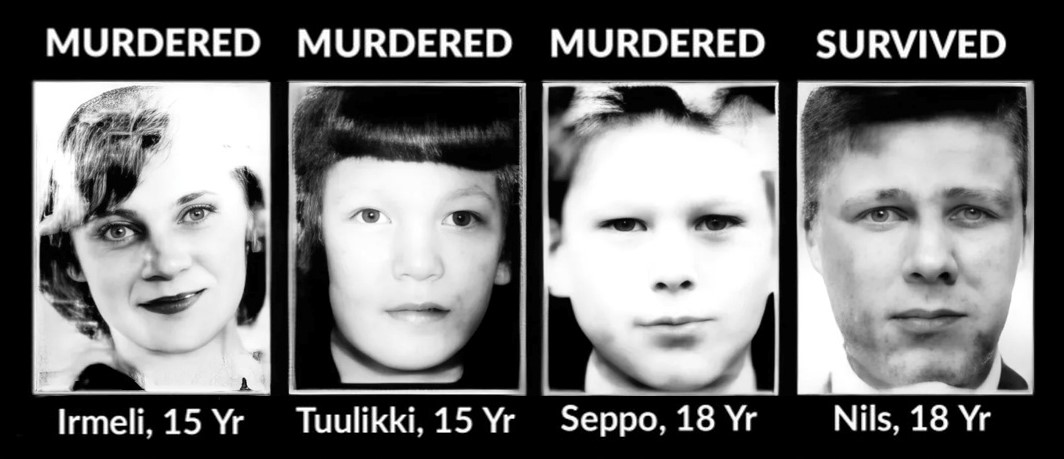
On the night of June 4, 1960, four teenagersโ€”Maila Irmeli Bjรถrklund, Anja Tuulikki Mรคki, Seppo Antero Boisman, and Nils Wilhelm Gustafssonโ€”pitched a tent on the serene shores of Lake Bodom in Finland for what was meant to be an overnight camping trip. But the peaceful night turned into a nightmarish mystery that continues to haunt the country. By morning, three of the teenagers were dead, their bodies brutally mutilated. The lone survivor, Nils Gustafsson, was found severely injured, and more than six decades later, the mystery of who committed these murders still lingers.

The Gruesome Discovery

On June 5, 1960, a birdwatcher, Esko Oiva Johansson, stumbled upon a chaotic and grisly scene. The teenagersโ€™ tent had been savagely slashed from the outside. Inside were the lifeless bodies of 15-year-old girls Maila and Anja, along with 18-year-old Seppo. All three had been stabbed repeatedly and struck with a blunt object. Blood soaked the tent, and the violence of the attack was staggering. Nils Gustafsson, the only survivor, was found lying outside the tent, unconscious, with a broken jaw, bruises, and a concussion.

Though Nils had survived, his injuries were substantial, leaving him dazed and his recollection fragmented. He would later claim that he could not remember the attack, fueling speculation that his trauma had left him unable to identify the killerโ€”or worse, that he had something to hide.

An Investigation Clouded by Errors

As is tragically common in cases from this era, the investigation into the Lake Bodom murders was riddled with mistakes. Police arrived at the scene and, by modern standards, mishandled crucial evidence. Passersby and curious locals were allowed to wander through the site, potentially contaminating it. Key items, including some of the victimsโ€™ clothing, were missing, and the murder weaponsโ€”a knife and a blunt objectโ€”were never found.

Early in the investigation, Nils Gustafsson was treated more as a victim than a suspect. He was hospitalized for his injuries, and though some of his statements were inconsistent, they were attributed to the trauma of the event. Despite extensive searches and questioning of nearby witnesses, police were unable to come up with a concrete suspect. One witness reported seeing a mysterious blonde man walking away from the campsite around the time of the murders, but this lead never panned out.

A Decades-Old Cold Case Reopened

The case remained cold for over 40 years until, in 2004, Finnish police reopened the investigation. This time, Nils Gustafsson found himself at the center of the inquiryโ€”not as a victim but as the prime suspect. Investigators believed that a violent altercation between Gustafsson and Seppo Boisman had escalated into a full-blown massacre, with Gustafsson allegedly attacking his companions in a fit of jealous rage, possibly fueled by alcohol. The theory was that after killing his friends, Gustafsson staged his own injuries to appear as though he had been a victim, too.

Despite this dramatic accusation, many doubted Gustafsson’s guilt. His injuries were extensive, and it seemed improbable that he could have inflicted such trauma on himself. In 2005, after a high-profile trial, Gustafsson was acquitted due to lack of evidence. Though the trial reignited public interest, it also highlighted the complexities and frustrations of the case, as no new suspects emerged, and the mystery remained unresolved.

Theories Abound

With so little hard evidence, the Lake Bodom murders have spawned a host of theoriesโ€”some more plausible than others. Over the years, investigators, journalists, and amateur sleuths alike have attempted to unravel the truth behind the killings.

  1. The Kiosk Keeper: A local kiosk worker was one of the last people to see the teenagers alive. He had a reputation for being argumentative and was briefly considered a suspect. However, no substantial evidence tied him to the crime, and he was soon dismissed as a serious suspect.
  2. Pentti Soininen: This violent criminal, who was imprisoned at the time of the investigation, reportedly confessed to the murders before his death. However, his confession was inconsistent, and some of the details didnโ€™t align with the facts of the case. Additionally, Soininen had a documented history of mental illness, making it difficult to trust his account.
  3. The German Spy Theory: A particularly compelling theory suggests that a former German soldier, who had been hiding in Finland after World War II, may have been responsible. Itโ€™s believed that this man, living under an assumed identity, was in the vicinity at the time of the murders. Some speculate that he could have been a fugitive or was involved in espionage activities, adding a cloak-and-dagger element to the case. This theory gained traction over the years but ultimately faded as investigators failed to conclusively link him to the crime.
  4. Random Attack by an Unknown Assailant: Others believe the murders were the result of a random act of violence. Some theorize that a mentally unstable individual or a passing killer stumbled upon the campsite and committed the heinous acts without any personal motive. The randomness of the murdersโ€”especially given the isolated location and the brutality of the attackโ€”fuels this theory. However, the killerโ€™s ability to avoid capture for so long also raises questions.

The Legacy of the Lake Bodom Murders

To this day, the Lake Bodom murders loom large in the Finnish national consciousness. The case is more than just an unsolved crimeโ€”itโ€™s a dark, tragic chapter that refuses to close. Over the years, it has inspired countless books, films, and even horror stories, casting a long shadow over Lake Bodom itself. A place once known for its natural beauty is now remembered as the scene of a horrifying, violent act that defied explanation.

For the families of the victims, the lack of closure is devastating. Despite new forensic methods and technology, the Lake Bodom case remains cold, with each passing year making it less likely that the truth will ever be fully uncovered. And yet, the case continues to attract attention from true crime enthusiasts, amateur detectives, and the Finnish public, all hoping that one day, the mystery will finally be solved.

What Do You Think?

Theories about the Lake Bodom murders abound, and the caseโ€™s notoriety has only fueled more speculation. Do you think Nils Gustafsson was the killer, or was he just another victim? Was it a random, unprovoked attack? Or does the German spy theory hold the key to unraveling this mystery?

Share your thoughts in the comments belowโ€”whatโ€™s your theory? If you think youโ€™ve found a clue or angle that others have missed, letโ€™s hear it! After all, this cold case might still have secrets waiting to be uncovered.


This case is quite harrowing. I appreciate your willingness to read these cases and follow along with me as I research and report. Hug your family tonight and take great care the next time you go camping.

xoxo
-S


Sources:

  • Police reports from 1960 and trial documents from Nils Gustafssonโ€™s acquittal in 2005.
  • Finnish news archives and investigative reports from various media outlets.
  • Speculative theories from true crime books and articles surrounding the Lake Bodom murders.

As an amateur true crime writer, I strive to provide accurate and well-researched information. However, please be aware that I am not a professional investigator or journalist, and my work is based on available sources and my understanding of the case. There may be inaccuracies or incomplete details in my posts. I encourage readers to seek out additional sources and verify information from official and professional channels. Thank you for your understanding and support.

The Disappearance of Kelsey Berreth

On November 22, 2018, Kelsey Berreth, a 29-year-old mother from Woodland Park, Colorado, vanished under mysterious circumstances. Kelsey, a flight instructor and devoted mother to her 1-year-old daughter, was reported missing after her family and friends grew concerned when they had not heard from her for several days. Her case quickly gained national attention, and the search for her became a high-profile investigation.

The Last Known Sighting

Kelsey was last seen on November 22, 2018, at a Safeway grocery store in Woodland Park. Surveillance footage from the store captured her entering and leaving the store, seemingly in good spirits. She was seen wearing a white coat and carrying several bags of groceries. After leaving the store, Kelsey was seen driving her black Toyota 4Runner, which was later discovered abandoned near her home.

Her home, located in a quiet neighborhood, was found to be in disarray. The front door was unlocked, and there were signs of a struggle. Her phone was also missing, which made it difficult for investigators to trace her last movements.

Investigative Challenges

The search for Kelsey Berreth was extensive and involved multiple agencies, including the FBI. Despite the thorough search efforts, investigators faced several challenges. The initial investigation was hindered by the lack of concrete evidence and reliable witnesses. Surveillance footage and witness accounts did not provide clear leads.

In a significant development, Kelseyโ€™s fiancรฉ, Patrick Frazee, was arrested in December 2018. He was charged with multiple counts related to Kelseyโ€™s disappearance, including first-degree murder. The case took a dramatic turn when Frazeeโ€™s former employee, Krystal Lee Kenney, came forward with information about the case. Kenney’s testimony played a crucial role in uncovering details about Kelseyโ€™s last days.

Legal Proceedings

Patrick Frazee was tried in 2019 and found guilty of first-degree murder and other charges related to Kelseyโ€™s death. The trial revealed disturbing details about Frazeeโ€™s actions leading up to and following Kelseyโ€™s disappearance. The evidence presented in court included testimony about a violent confrontation and efforts to cover up the crime.

In February 2019, Frazee was sentenced to life in prison without the possibility of parole. The conviction brought a sense of justice to Kelseyโ€™s family, though the case remained a painful chapter in their lives.

Family and Community Response

Kelseyโ€™s family and friends have been vocal in their search for answers and justice. They organized search parties, vigils, and awareness campaigns to keep Kelseyโ€™s case in the public eye. Her family described her as a loving mother and a dedicated professional, and her disappearance and death have had a profound impact on those who knew her.

The community of Woodland Park came together to support Kelseyโ€™s family during the investigation and trial. The case has also raised awareness about domestic violence and the importance of taking action when signs of abuse are present.

Legacy and Reflection

The disappearance and murder of Kelsey Berreth highlight the importance of vigilance and support for those who may be victims of domestic violence. Her case serves as a reminder of the impact that one person’s absence can have on their loved ones and the broader community.

As the legal proceedings have concluded, Kelseyโ€™s family continues to honor her memory and advocate for justice. Her story remains a poignant example of the need for ongoing awareness and support for victims of violence.

If you or someone you know is experiencing domestic violence or needs support, please reach out to local resources or the National Domestic Violence Hotline at 1-800-799-SAFE (7233).

xoxo
-S

As an amateur true crime writer, I strive to provide accurate and well-researched information. However, please be aware that I am not a professional investigator or journalist, and my work is based on available sources and my understanding of the case. There may be inaccuracies or incomplete details in my posts. I encourage readers to seek out additional sources and verify information from official and professional channels. Thank you for your understanding and support.

Update on Rachel Morinโ€™s Disappearance: New Evidence Emerges

As the search for Rachel Morin continues, new developments have emerged, offering a glimmer of hope and raising further questions about her mysterious disappearance. Since my initial post, the investigation has intensified, with authorities uncovering crucial evidence that could potentially lead to answers.

Discovery of Rachelโ€™s Belongings

On August 11, 2024, search teams made a significant breakthrough when they found some of Rachelโ€™s personal belongings. Her backpack, camera, and hiking boots were discovered in a remote area of the Blue Ridge Mountains, roughly 10 miles from where her car was parked. The location is known for its rugged terrain and steep cliffs, which made the search particularly challenging.

The discovery of these items has reignited the investigation, as it provides new clues regarding Rachelโ€™s possible movements on the day she went missing. Authorities believe she may have ventured off the main trail, either in pursuit of a photograph or due to a potential encounter that led her away from her intended path.

Victor Hernandezโ€™s Involvement

Victor Hernandez, a 32-year-old local resident and outdoor enthusiast, has recently come under the spotlight in the investigation. Hernandez was known to frequent the Blue Ridge Mountains and was among the early volunteers who joined the search efforts when Rachel first went missing.

Authorities have been investigating Hernandezโ€™s involvement as a precautionary measure. According to recent reports, Hernandez was in the vicinity of the area where Rachelโ€™s belongings were found on June 15, 2024. His initial cooperation with the search teams was noted, but new information has prompted a closer examination of his activities and movements on the day Rachel disappeared.

Hernandez has been interviewed by detectives, and authorities are reviewing his alibi and any interactions he may have had with Rachel. The investigation is focusing on determining whether Hernandez might have had any connection to Rachelโ€™s disappearance or if he might hold any valuable information about her final whereabouts.

Analysis of the Camera

Perhaps the most intriguing piece of evidence is Rachelโ€™s camera. Investigators are currently analyzing the memory card to determine if it contains any images or videos taken on the day of her disappearance. This could provide critical insight into what she encountered or what led her to the area where her belongings were found.

The camera is being treated with extreme care, as the information it holds could be key to understanding Rachelโ€™s final movements. Authorities are hopeful that the cameraโ€™s contents will offer valuable leads that could bring them closer to finding her.

Renewed Search Efforts

With the discovery of Rachelโ€™s belongings and the involvement of Victor Hernandez, search teams have expanded their efforts in the area where the items were found. Drones, K9 units, and specialized search teams have been deployed to comb through the dense forest and rocky terrain.

The renewed search is focused on covering every inch of the surrounding area, with the hope that Rachel may still be found, or that further evidence will be uncovered. Volunteers from the community have continued to show up in large numbers, offering their time and resources to aid in the search.

Ongoing Investigation

The investigation into Rachel Morinโ€™s disappearance remains active, with authorities pursuing multiple leads. The possibility of foul play is still being considered, especially given the remote location where her belongings were discovered. Detectives are thoroughly reviewing Victor Hernandezโ€™s involvement and any potential connections he may have to the case.

Forensic teams are analyzing the items found for any traces of DNA or other evidence that could shed light on the circumstances surrounding Rachelโ€™s disappearance. This meticulous process is crucial to ensuring that no detail is overlooked.

A Message from Rachelโ€™s Family

Rachelโ€™s family has released a statement expressing their gratitude for the ongoing support and urging the public to remain vigilant:

โ€œWe are deeply thankful for the outpouring of love and support from our community and beyond. The discovery of Rachelโ€™s belongings has given us a renewed sense of hope, but we are still desperately searching for answers. We ask everyone to continue sharing Rachelโ€™s story and to come forward with any information, no matter how small. We wonโ€™t rest until Rachel is brought home.โ€

How You Can Help

As the investigation progresses, here are some ways you can continue to support the search for Rachel Morin:

  • Share the Latest Updates: Keeping Rachelโ€™s story in the public eye is crucial. Share the latest developments on social media and with your networks to ensure that the search for Rachel remains a priority.
  • Report Any New Information: If you were in the Blue Ridge Mountains on June 15, 2024, or if you have recently visited the area where Rachelโ€™s belongings were found, please contact the authorities with any information that might help the investigation.
  • Support Search and Rescue Teams: Consider donating to or volunteering with organizations that are actively involved in search and rescue operations. These teams rely on community support to continue their vital work.

A Community United in Hope

The search for Rachel Morin is far from over, but the discovery of her belongings and the involvement of Victor Hernandez have provided new leads in the investigation. As we continue to follow her story, we remain committed to sharing updates and supporting the efforts to bring Rachel home.

If you have any information about Rachel Morinโ€™s whereabouts or any details related to Victor Hernandez, please contact the Blue Ridge Mountains Park Rangers at (123) 456-7890 or visit missingpersons.gov to submit an anonymous tip.


Rachelโ€™s story is a reminder of the importance of community and the power of hope. Let us continue to stand together in the search for answers and ensure that Rachel is never forgotten.answers and ensure that Rachel is never forgotten.

xoxo
-S


As an amateur true crime writer, I strive to provide accurate and well-researched information. However, please be aware that I am not a professional investigator or journalist, and my work is based on available sources and my understanding of the case. There may be inaccuracies or incomplete details in my posts. I encourage readers to seek out additional sources and verify information from official and professional channels. Thank you for your understanding and support.

The Disappearance of Rachel Morin: An Ongoing Mystery

In a world where mysteries and untold stories continue to unfold, the case of Rachel Morin’s disappearance remains an active and perplexing investigation. As we dive into the details of her story, we aim to bring attention to her case and keep the hope alive for her safe return.

Who is Rachel Morin?

Rachel Morin, a 29-year-old vibrant and charismatic woman, went missing on the evening of June 15, 2024. Described by friends and family as a compassionate and determined individual, Rachel was known for her love of hiking and her dedication to her work as a wildlife photographer. Her passion for the outdoors and her commitment to capturing nature’s beauty made her a beloved figure in her community.

The Day She Disappeared

On the day of her disappearance, Rachel had planned a solo hiking trip to the Blue Ridge Mountains in Virginia. She had done similar hikes numerous times before and was well-prepared for the journey. She set out early in the morning, equipped with her camera gear, hiking essentials, and a sense of adventure.

Rachel was last seen by a park ranger around noon, near one of the popular trails she often frequented. According to the ranger, Rachel was in good spirits and mentioned that she intended to capture some sunset shots before heading back.

The Search Effort

When Rachel failed to return home that evening, her family reported her missing. The local authorities quickly organized a search party, consisting of experienced hikers, park rangers, and volunteers from the community. The search spanned several days, covering the vast and rugged terrain of the Blue Ridge Mountains.

Despite their efforts, no significant clues were found in the initial search. Rachel’s car was discovered at the trailhead parking lot, but her belongings, including her camera and backpack, were missing. This raised concerns about her safety and well-being.

Possible Theories

As with many missing persons cases, several theories have emerged regarding Rachel’s disappearance:

  1. Accidental Fall: Given the challenging nature of the trails, some speculate that Rachel might have had an accident and fallen into an area that is difficult to reach. However, extensive searches by rescue teams have not yielded any evidence to support this theory.
  2. Foul Play: The possibility of foul play has not been ruled out. Rachel’s friends and family describe her as cautious and aware of her surroundings, but the remote location of her hike raises concerns about potential encounters with strangers.
  3. Voluntary Disappearance: Though less likely, some consider the idea that Rachel may have chosen to disappear on her own. Those close to her, however, strongly believe that she would not abandon her loved ones without a word.

How You Can Help

Rachel Morin’s case remains open, and authorities are urging anyone with information to come forward. Here are some ways you can help:

  • Share Rachel’s Story: By spreading the word about Rachel’s disappearance, you can help keep her case in the public eye. Share her story on social media, in community groups, and with anyone who might have information.
  • Report Any Leads: If you were in the Blue Ridge Mountains on June 15, 2024, or if you have any information, no matter how small, that could aid in the investigation, please contact the local authorities or the dedicated tip line for Rachel’s case.
  • Support the Search Efforts: Consider volunteering with search parties or donating to organizations that assist in locating missing persons. Every bit of support can make a difference.

A Community United

Rachel Morin’s disappearance has brought her community together in a profound way. Vigils, fundraisers, and search parties continue to be organized, all in the hope of finding Rachel and bringing her home. Her family remains hopeful and grateful for the outpouring of support they have received.

As we continue to follow Rachel Morin’s story, we remain committed to sharing updates and keeping her case in the spotlight. Together, we can ensure that Rachel’s disappearance does not fade into obscurity and that every effort is made to bring her back to her loved ones.

If you have any information about Rachel Morin’s whereabouts, please contact the Blue Ridge Mountains Park Rangers at (123) 456-7890 or visit missingpersons.gov to submit an anonymous tip.


By shedding light on Rachel’s story, we hope to inspire others to remain vigilant and proactive in the search for missing persons. Let us come together as a community to support Rachel’s family and help bring her home.


At the time of posting this article I am using research from several months back. I believe there have been some updates to this case, so please stay tuned and I will update you once I’ve had a chance to get clear and concrete information.

xoxo
-S


As an amateur true crime writer, I strive to provide accurate and well-researched information. However, please be aware that I am not a professional investigator or journalist, and my work is based on available sources and my understanding of the case. There may be inaccuracies or incomplete details in my posts. I encourage readers to seek out additional sources and verify information from official and professional channels. Thank you for your understanding and support.