
Why You Might Gain Weight After Intense Workouts

(Even If You’re Getting Stronger)

This weekend wrecked me. In the best way, and also in the what is happening to my body kind of way.

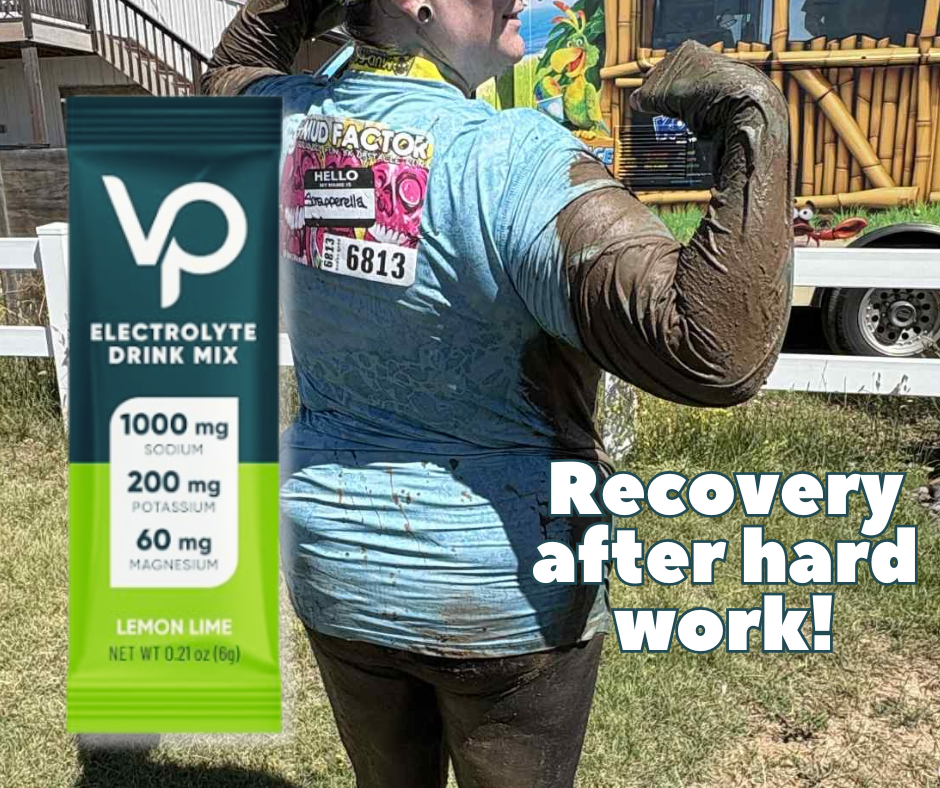
I did a high-level, three-hour derby practice that pushed every limit I had. Then I turned around the next day and ran a full mud run. We’re talking slick hills, army crawls, water pits, and laughing so hard my ribs hurt. My legs were toast, my face sunburned, and my body? Puffier than a can of biscuits in July heat.

When I stepped on the scale Monday morning, I was almost four pounds heavier than the day before.

But here’s the thing. I didn’t gain four pounds of fat.
I didn’t backslide.
I’m not undoing my progress.
And if this sounds familiar to you, neither are you.

This is one of the most common experiences people have after a tough workout. Weight gain after intense exercise is real, but it isn’t what you think.


Why Your Body Holds Onto Weight After a Workout

When you train hard, especially multiple days in a row, your body goes into full repair mode. And that comes with some misunderstood side effects.

Inflammation From Muscle Repair

Intense activity creates tiny tears in your muscle fibers. That’s how you get stronger. Your body sends extra fluid and immune cells to repair the damage. The result? Swelling, puffiness, and water retention. Not fat gain.

Glycogen Storage Brings Water With It

After depleting your energy stores, your body works to restock. Glycogen, which is stored carbohydrate, binds to water. For every gram of glycogen, your body holds onto three to four grams of water. So when your muscles refuel, your weight temporarily goes up.

Cortisol Triggers Fluid Retention

Physical stress, even the positive kind, spikes cortisol. That hormone helps with repair but also causes your body to hold onto water, especially in the face and legs.

Lymphatic Slowdown

Your lymph system flushes out waste and excess fluid. After big exertion, it can get overwhelmed. Fluid may pool, leading to puffiness in the face, legs, and hands.

What I’m Doing to Recover (and What Might Help You Too)

Because this is about care, not panic!

  • Hydration, but make it electrolytes. Water alone isn’t enough. Electrolytes help pull fluid into cells where it belongs and flush the rest.
    • I’m a big fan of LMNT, but I’m also a champagne girl on a beer budget; lately I’ve been loving these electrolyte sticks that I find highly comparable to LMNT for a much lower price point!
  • Movement that doesn’t suck. I’m walking, stretching, and foam rolling. Nothing heroic. Just keeping things flowing.
  • Sleep. Not always easy, but non-negotiable. That’s when the real repair happens.
  • Compression. I’m not above rocking my derby leggings off-track. They help.
  • Magnesium. It eases soreness, supports muscle repair, and helps release excess fluid.
  • Not cutting food. My body needs fuel right now, not punishment.

This Is What Getting Stronger Looks Like

We’re so conditioned to fear the scale. To see a few extra pounds and think we failed.

But in reality, this kind of temporary weight gain is a sign that your body is healing. Muscles are repairing. Systems are rebalancing. You are getting stronger, not slipping backward.

Post-workout inflammation and water retention are normal parts of recovery, especially for women lifting heavy, training hard, or pushing limits in sports like derby.

So if you’ve ever felt confused or discouraged by scale fluctuations after a hard weekend, let this be your reminder.

You didn’t gain weight.
You gained progress!

That’s the kind of weight I’ll carry it proudly.

xoxo
-S

Affiliate Disclosure: This post contains affiliate links. If you click on these links and make a purchase, I may earn a small commission at no additional cost to you. I only recommend products and services that I personally use and believe in. Thank you for supporting my blog!

Derby Goals 2025

How to Crush It On and Off the Track

Another derby season is here, which means it’s time to set some goals and actually follow through. Whether you’re trying to level up your blocking, improve your endurance, get more confident on your skates, or just survive another year of full-contact madness, having a clear plan makes all the difference.

The hard part isn’t setting the goals. It’s staying consistent.

So here’s a breakdown of how to follow through, build momentum, and make real progress this season.


Step 1: Get Specific About Your Goals

Saying “I want to get better at blocking” is too vague. What does better look like? Get clear on the details.

Instead, try:

✅ “I want to land strong lateral blocks and control jammers instead of reacting.”
✅ “I’ll practice my plow stops for 15 minutes before every practice until I can stop exactly where I want.”

The more specific you are, the easier it is to track progress and stay motivated.


Step 2: Break Big Goals into Small Wins

A massive goal can feel overwhelming without a step-by-step plan. Breaking it down makes it doable.

🏆 Trying to build endurance? Start by shaving five seconds off your 27-in-5 time.
🏆 Want to master apex jumps? Focus on power drills and controlled landings before going full speed.
🏆 Looking to feel more confident on the track? Try speaking up more at practice, asking for feedback, or adding one new skill per week.

Small wins build momentum. And momentum keeps you moving forward.


Step 3: Keep Yourself Accountable

Most people lose steam because no one is holding them to it. You can fix that.

📌 Find an accountability partner. A teammate who checks in and pushes you when needed.
📌 Track your training. Write down what you worked on, what felt strong, and what needs more time.
📌 Film yourself. Watching playback helps you see what’s actually happening on the track.
📌 Put your goals out there. Post them in your league’s group chat, on a whiteboard, or online.

Make it harder to quit than to keep going.


Step 4: Train Off-Skates (Yes, It Matters)

Only training at practice limits your progress. Strength, mobility, and fuel matter more than people like to admit.

🏋️‍♀️ Strength training builds power and stability.
🧘‍♀️ Mobility work improves your balance and makes you harder to knock down.
🥦 Nutrition and rest affect energy, recovery, and how your body holds up through the season.

You can’t skate your best if your body isn’t ready for it.


Step 5: Be Willing to Adjust

Sometimes the goals you set in January stop making sense by June. That’s not failure. That’s awareness.

Maybe you wanted to jam, but blocking turned out to be your thing. Maybe you planned to play every game, but your knees need a different pace.

Reassess. Rework. Keep showing up.


My Derby Goals for 2025

Here’s what I’m working on this season:

🔥 Stronger lateral blocking. I want to control space and deliver intentional hits instead of reacting on the fly.
🔥 Explosive speed bursts. Endurance is great, but I want to be able to accelerate fast and close gaps quicker.
🔥 Better teamwork and leadership. This sport doesn’t work without trust and communication, and I want to build both.


Your turn. What are your derby goals for 2025? Drop them in the comments or share your favorite tip for sticking with them. Let’s make this season one to be proud of.

xoxo
-S

The Truth About Carb Loading: Myths and Better Alternatives for Roller Derby Performance

In the roller derby world, there’s plenty of talk about the best ways to fuel up before a game. One of the most common strategies you’ll hear about is carb loading—the idea that downing a huge plate of pasta the night before will give you the energy you need to skate harder, faster, and longer. But here’s the truth: carb loading the night before a game is not as effective as many believe. Let’s break down the myths and explore smarter ways to fuel your body for peak derby performance.

Myth 1: Carb Loading Means Eating Tons of Pasta the Night Before

One of the most persistent myths is that carb loading requires eating an excessive amount of pasta or other carbs the night before a game. In reality, effective carb loading is a bit more nuanced. It’s not just about the quantity of carbs but also about how you distribute your intake.

What to Do Instead: Start increasing your carbohydrate intake about three to four days before the event. Aim to consume 7-10 grams of carbohydrates per kilogram of body weight daily during this period. Focus on complex carbs like whole grains, fruits, and vegetables, which provide sustained energy rather than a quick spike.

Myth 2: Carb Loading Guarantees Better Performance

While carb loading can help, it doesn’t automatically translate into improved performance. For many athletes, particularly those who are well-trained or engage in shorter events, the benefits may be minimal. Overloading on carbs can sometimes lead to digestive discomfort or weight gain, which could potentially hinder performance.

What to Do Instead: Tailor your carbohydrate intake to your specific needs and the nature of your event. For shorter, high-intensity activities, focusing on a balanced diet with adequate carbs throughout your training may be sufficient. For endurance events, like marathons, a strategic approach to carb loading could be beneficial, but it should be personalized.

Myth 3: All Carbs Are Created Equal

Not all carbohydrates are beneficial for athletes. The myth that any source of carbs is fine for loading purposes can lead to poor food choices that impact performance and overall health.

What to Do Instead: Prioritize nutrient-dense carbohydrates. Opt for foods that provide not only energy but also vitamins, minerals, and fiber. Whole grains, legumes, fruits, and starchy vegetables are excellent choices. Avoid excessive consumption of simple sugars or refined carbs, which can lead to energy crashes and negatively impact your overall health.

Myth 4: You Don’t Need to Adjust Your Training

Some believe that carb loading alone can compensate for inadequate training. This is not the case. No amount of carbs can replace the benefits of consistent and well-structured training.

What to Do Instead: Combine a well-balanced diet with a solid training regimen. Ensure your training plan includes a mix of endurance, strength, and skill-based workouts. Carbohydrate loading should complement your training, not replace it.

Myth 5: Carb Loading Is Only for Endurance Athletes

While carb loading is often associated with endurance sports, it can be beneficial for other types of athletes as well, including those participating in high-intensity or team sports.

What to Do Instead: Consider your sport’s demands. For events or activities requiring bursts of energy or high-intensity efforts, a strategic approach to carbohydrate intake can help maintain performance levels. Adjust your carb intake based on the length and intensity of your activity.

Practical Tips for Effective Carb Loading

  1. Gradual Increase: Begin increasing your carb intake three to four days before the event, rather than doing a last-minute binge.
  2. Balanced Meals: Spread your carb consumption throughout the day, including in meals and snacks.
  3. Stay Hydrated: Carbohydrates are stored with water in your muscles, so maintain good hydration levels to optimize glycogen storage.
  4. Listen to Your Body: Pay attention to how your body responds to different foods and adjust your intake accordingly.
  5. Avoid New Foods: Stick with familiar foods that you know work well for your digestive system.

By understanding and applying these principles, you can more effectively fuel your body for peak performance without falling prey to common carb loading myths. Remember, the best approach to nutrition is one that supports your training, meets your individual needs, and promotes overall health.

xoxo
-S