Growing Strawberries: A Beginner’s Journey to Sweet Success

There’s a certain magic in biting into a fresh, home-grown strawberry. The burst of flavor, the sun-warmed sweetness, and the sense of accomplishment—it’s a sensation I wanted to savor. As a newer gardener, I chose strawberries for their enchanting appeal and relative ease of growth; and also because there is just something whimsical to me about growing strawberries – when my parents first bought their house there was a strawberry bed and when I bought my first house there was a wild strawberry patch on the hillside, but I never did anything with them. With a bit of research, I knew I’d soon be harvesting my own delicious berries. Here’s my well researched guide to this delightful journey.

1. Choosing the Right Strawberry Plants

Strawberries are like gems of the garden, and they come in three main types: June-bearing, everbearing, and day-neutral.

  • June-bearing: These plants gift you a bountiful harvest once a year, usually in late spring or early summer. Perfect for those who dream of a single, grand collection for making jams or freezing. – Not for me at this time. I don’t have the time to dedicate and I just want some berries. Maybe after a few years of successful growing.
  • Everbearing: These plants are generous, offering two to three harvests per year, typically in spring, summer, and fall. Ideal for those who desire a steady, predictable supply of strawberries. – This is what my mom and I chose to plant.
  • Day-neutral: These are the tireless workers, producing berries continuously throughout the growing season. Perfect for those who wish to experience the joy of fresh strawberries all season long. – I have honestly never seen these available and didn’t know it was an option until I started doing the research.

2. Preparing My Planting Site

Strawberries bask in sunlight, but we ultimately chose to plant ours in a high tunnel bed to alleviate bird pressure. I learned that strawberries dislike wet feet, so ensuring well-draining soil was crucial. It seemed to me that the soil in the garden beds at the high tunnel were plenty well draining, we just needed to do a little amending.

  • Soil Preparation: I enriched my soil with compost and well-rotted manure that I purchased from the local Bomgaars. Strawberries thrive in slightly acidic soil (pH 5.5-6.8), so rather than testing my soil like a good gardener would, I amended it with the above mentioned items and decided to just trust in the soil to create the perfect haven for my plants.
  • Spacing: I plan to plant my strawberries about 10-12 inches apart. This should give them room to spread their roots and ensure good air circulation, which will help keep diseases at bay. Tho. . . I may risk it and plant them a little closer together in the hopes to conserve some space in that bed for more goodies. I haven’t decided. We shall see.

3. Planting My Strawberries

Early spring, when the soil awakens from winter’s slumber, was the best time to plant strawberries. BUT. . . I’m a little behind this year. They go into the ground this week. It’s okay. I am choosing to trust this process.

  1. Dig a hole: Make it large enough to spread out the roots comfortably.
  2. Planting depth: Ensure the crown (where the leaves meet the roots) rests at soil level. Planting too deep or too shallow can stress the plant.
  3. Watering: I’ll gently watered the plants after planting, encouraging them to settle in, and then afterwards the entire high tunnel is set up on a times drip irrigation system.

4. Caring for My Strawberry Plants

As a new gardener, I want to make sure every step is done (mostly) correctly. I read articles, scoured the internet, and perused gardening forums, eager to absorb as much knowledge as possible. I soon realized that reading all the books in the world could never truly compare to the wisdom gained from practical application. Gardening is a hands-on journey, filled with trial and error.

Strawberries, like all living things, need tender care to flourish. Here are some essential tips I plan to follow:

  • Watering: Keep the soil consistently moist, but not waterlogged. Watering in the early morning allows the foliage to dry before nightfall, reducing the risk of disease.
  • Mulching: IF I can find some untreated straw, I will apply a cozy layer of mulch—straw, pine needles, or black plastic are all acceptable—around my plants. Mulch helps retain moisture, suppress weeds, and keeps the fruit clean and inviting. If I can’t. . . I’ll see what Bomgaars has to offer and then decide if I want to just run wild or buy a bag or two of mulch.
  • Fertilizing: A balanced fertilizer after planting and again after the first harvest; being careful with nitrogen is important; too much can result in lush leaves but few berries. I’m going to hold off on the first fertilizer because that compost is composted, but pretty fresh.

5. Dealing with Pests and Diseases

Common garden nuisances include slugs, snails, and birds. Snails do not thrive in the this arid Wyoming environment, however the nursery these plants came from definitely had a slug issue. Before transporting them to the high tunnel I watered the berries in a kiddie pool with pennies as the copper will kill the slugs. Keeping a watchful eye for diseases like powdery mildew or gray mold is essential. Good air circulation, proper spacing, and watering at the base of the plants helped prevent these troubles. So. . . Perhaps mulch will be higher on the priority list.

6. Harvesting My Strawberries

Strawberries are ready to be plucked when they are fully red and slightly soft to the touch. Allegedly harvesting in the cool morning hours, when they are at their sweetest and most fragrant, is best. Picking every few days keeps up with their ripening rhythm, and being gentle helped avoid bruising the delicate fruit.

7. Enjoying My Harvest

There are endless ways to enjoy home-grown strawberries: fresh off the plant, in desserts, jams, or smoothies. Sharing them with friends and family is another way to create memories that linger long after the last berry is eaten – I’m not entirely sure I will have enough to bring to the farmer’s market, and that is okay by me.

Final Thoughts

Growing strawberries will be a rewarding adventure, especially as a beginner. With the right variety, tender care, and a bit of patience, I will soon be basking in the sweet success of my harvest. Remember, while research provides a solid foundation, it’s the hands-on experience that will truly teach the art of gardening. Happy gardening!


Feel free to share your strawberry-growing journey and the secrets you discover along the way. Every garden whispers its own unique story, and there’s always something new to learn and cherish.

xoxo
-S
Embracing the Dream: My Homesteading Journey Re-ignites!

Grab your favorite mug of something warm and get cozy because on this blustery day in May (the weatherman said 100% chance of yuck) I’m about to revisit a dream that’s been simmering in my heart for as long as I can remember. That’s right—I’m venturing into the captivating world of homesteading! Again.

First – a little catch up – To be completely honest, we all know I’ve been working towards that dream for years. Briefly, I’ve spoken to you about my setbacks in the recent past – I struggle with motivation when I’m in a season of overwhelm and disappointment like that. Last year I think I made ONE blog post, and it was about feeling better about things… That intrinsically comes with springtime, and I’m aware of that.

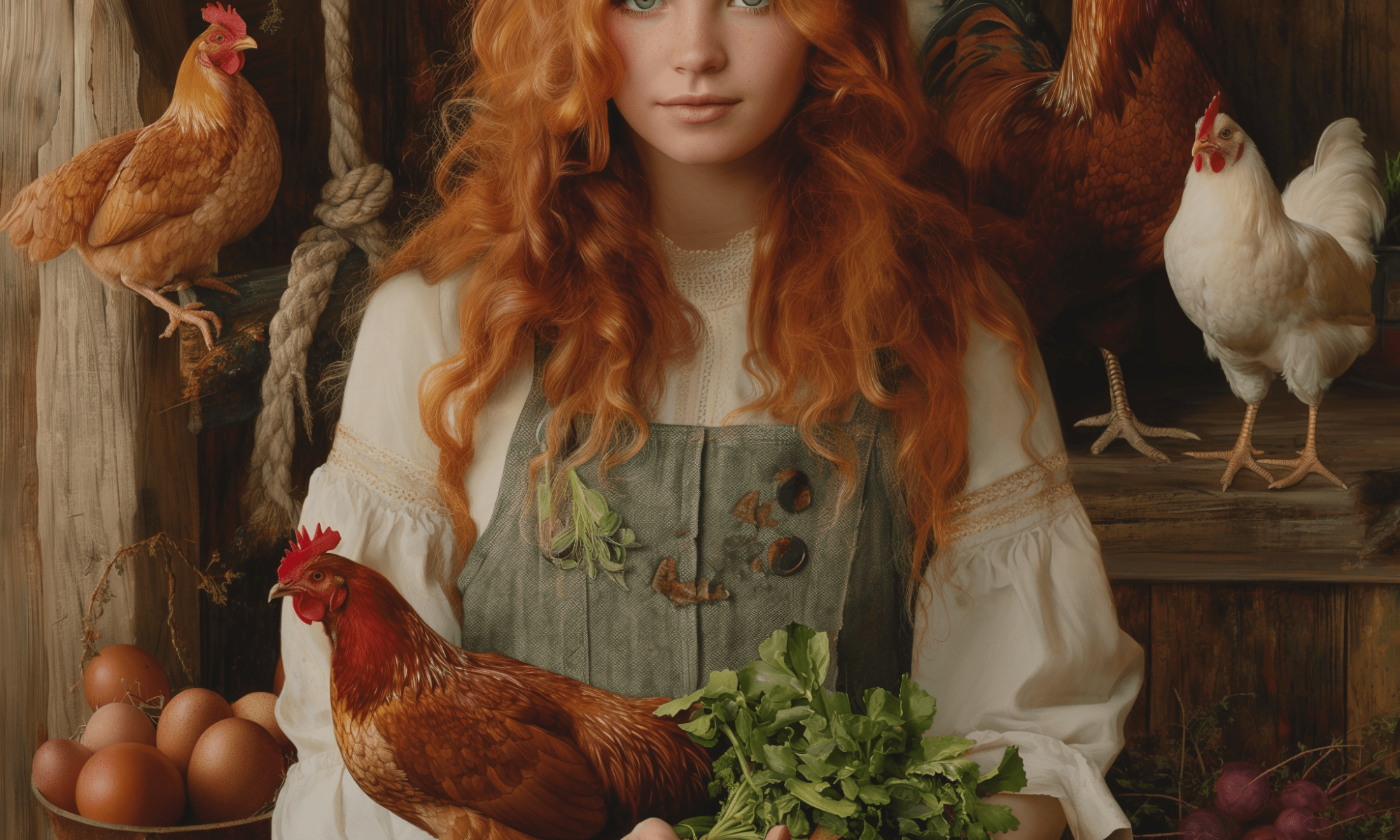
Last year my brother and I worked on making my chicken coop better, and I ended up with 14 chickens (now 13 because I gave my rooster away). I planted a bunch, and we had an abundant spring all over Wyoming due to the unseasonably wet weather we experienced. We were very fortunate to have such lush weather while much of the rest of the country suffered through drought.

Last year I attended our local Farmer’s Market almost every week (save, I believe three in a sixteen week run) with products from my home bakery. This year, while life has different plans for me on the weekends, I plan to attend as much as possible and am feeling obligated to provide vegetables, as one of the largest local vegetable producers will be retiring this year. Inappropriately, and probably, maybe, unintentionally one of the leaders of the market laid guilt on the rest of us who aren’t vegetable producers to grow something to sell at the market. I’m struggling with not feeling OBLIGATED to fix all problems that come my way, but I do want to grow and think this is an ample opportunity. Then this weekend, my mom and I started planning and scheming and buying up plants and supplies… so… here we go!

So, what is it about homesteading that has me so enthralled? Well, for starters, it’s the idea of creating a life filled with purpose and connection. I imagine waking up to the gentle clucking of chickens outside my window, gathering fresh eggs for breakfast, and tending to my garden as the sun rises. It’s about getting back to basics, embracing the rhythms of nature, and living in harmony with the earth.

Of course, homesteading isn’t all sunshine and rainbows. It’s a journey filled with challenges, from learning how to care for animals to mastering the art of growing your own food. But therein lies the beauty of it all—the opportunity to learn, grow, and connect with the world around you in a profound way. That paired with the fact that my dude doesn’t really want anything to do with it so it will be, effectively a one (wo)man effort.

So, where does one even begin on this grand adventure? For me, it’s been a journey of discovery and education. I’ve devoured books, scoured websites, and soaked up every bit of knowledge I could find about homesteading. But more than that, it’s been about embracing a mindset shift—a willingness to step out of my comfort zone and embrace the unknown. You may or may not know that I am an avid Roots and Refuge fan. I’ve been following Jessica and her family since right about the time she got seriously started. 2017 or 2018. One time she said she just decided she was going to start doing YouTube like it was her job and that has been weighing heavily on me. I believe it is time for me to take that advice.

As I take my next steps into the world of homesteading, I’m filled with a sense of excitement and anticipation. Sure, there will be challenges along the way, but I’m ready to tackle them head-on. Because at the end of the day, homesteading isn’t just about growing food or raising animals—it’s about creating a life that’s meaningful, fulfilling, and true to who you are.

So, here’s to the beginning of my homesteading journey—a journey of discovery, growth, and endless possibilities. And who knows? Maybe my little adventure will inspire a few of you to embark on your own homesteading journey. After all, in a world that often feels disconnected and chaotic, there’s something truly special about getting back to basics and living in harmony with the land.

xoxo
-S

Things are good…

There’s been a lot of struggle in my life in the passed few years, and there were times when I was certain it would not get better, but it is.

Sometimes a person has to change their perspective and vet their expectations in order to be happy. I’m learning to let go of an idea of something that was never mine in the first place and to start nurturing the future me, realistically, and what she wants and deserves.

It will all pay of in the end. One day at a time.

xoxo

-S

A Walk Through the “Garden”

Hello! Today I’m calling this video a garden tour for lack of a better reference, but I don’t truly have a “garden”. I have tomatoes started and they are going to be fall producers for me, indoors – and I might just force them to live forever so I have fresh tomatoes all of the time. We shall see. I also have a stacking planter that has some herbs and lettuces. Oh, and the potatoes… Those are going in this weekend. The rest of the tour is just a little trip through my oasis and the blank canvas before I get it developed. That’s a shot in the dark because of the fact that we rent our property so there is no telling if we will be here next year or not. However, this year, four years in, I have finally decided to approach it as though we will be and I will just have to adjust accordingly if we are not. Next year I have a spot picked out for a raised bed garden and I hope to get that going. I say I’m going to do something like this every year and I never do, so hopefully I will hunker down and plan and save all winter long so that when spring hits I can hit the ground running!

That brings me to this talk of legacy… Jessica at Roots and Refuge Farm is always talking about legacy and leaving the land with things growing and producing, and I don’t disagree (or rather – she has completely skewed my mindset for the better). Legacy is important. It’s how we bless future generations, even if they aren’t ours. So with that in mind, I’ve finally committed this year to planting things on the property that I live on that will come back year after year, and spread. When I moved in there was already an existing apple tree, which you will visit briefly in today’s video. That first spring (2017) I bought a packet of asparagus seeds on a whim at the hardware store (which I still have stashed). I never did plant those little buggers because I kept telling myself that this place wasn’t permanent so what’s the point? I won’t be able to enjoy them anyway.

Fast forward to 2021 and what have I been saying all summer long? I’d be enjoying a bountiful harvest of asparagus right now if I had just planted those seeds when I bought them. Back in 2017 I didn’t think I’d be living at this place for any length of time so I didn’t allow myself to truly do anything that was long term, but now I feel like even if I’m gone next year, then someone else will be able to reap the rewards right away without having to put in the effort and maybe, just maybe I’ll be lucky enough that the next place I go has some little surprises like that for me.

This year I’ve planted mint, ground elder, irises, vinca vine… I’m rooting some clematis and trumpet vine, I’ll be spreading hollyhock seeds, I am going to plant those asparagus seeds this fall, I have some daffodils to put in the ground, I have an experiment going with some cuttings of roses and lilacs from my momma, and I have a ton more perennial seeds that I’m going to make sure go in the ground. That and I’m going to collect as many milkweed seed pods as I can and plant a huge pollinator/butterfly garden in the back. There’s probably more that I am forgetting as well as some failures, such as trying to root some sweet peas and sumac. But! That does not mean I won’t try again. If we are here for even one more year, this property is going to be even more beautiful.

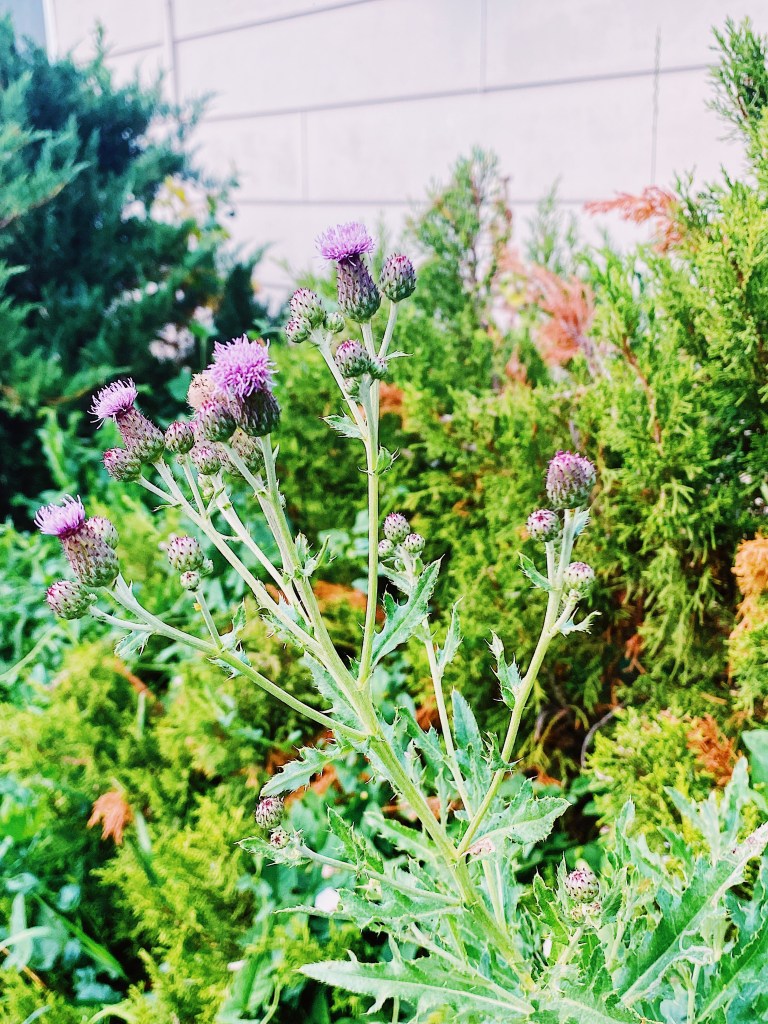
In the spring I intend to plant grass seed, or find a solution (I have a big package of red clover seeds) in the area where they replaced our septic tank last spring (2020). That whole process disrupted the seed bank and some much nasty thistle grew where the ground was bare. Yuck.

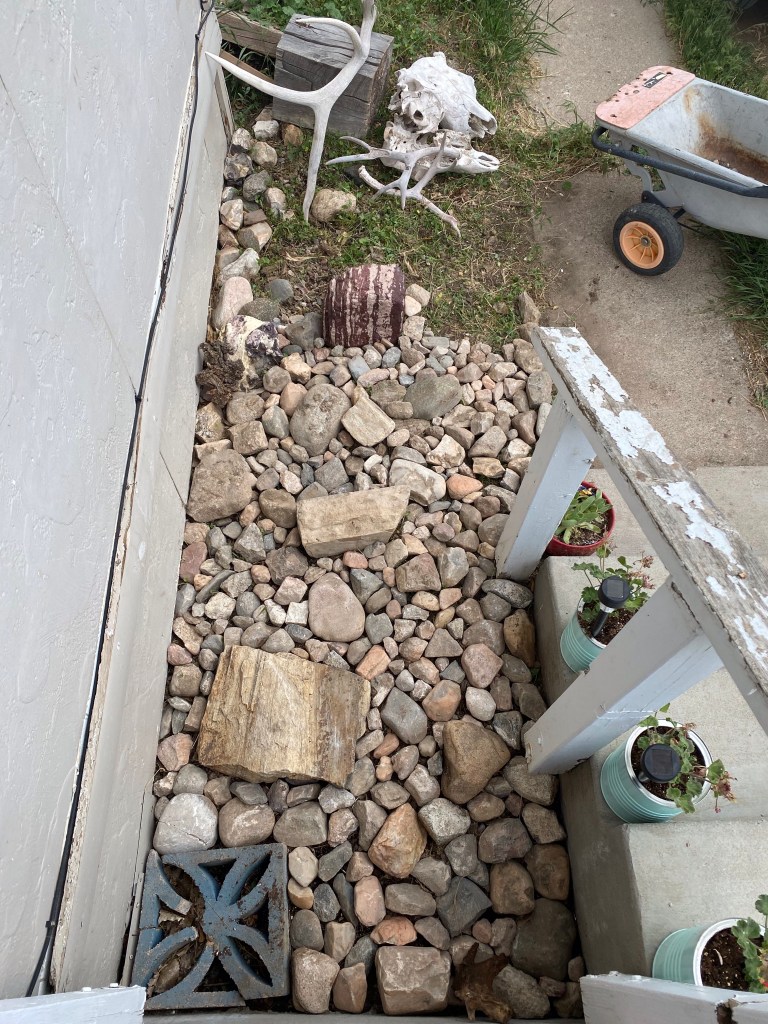
I’ve also started a project where I am just taking field rock and doing some landscaping (free materials and a project for me? Yes please!) and I have taken some big timbers and started to section off a parking area.

One more thing, as if I have the time/resources (and I may not even get to it), is to build an actual platform to keep our firewood on, because right now it is just a giant pile with overgrown grass and I truly hate it.

I hope you enjoy my little escape-zone. I filmed this footage at the very end of June so it’s already time for an update. I’ll get one out, but there’s more too see and talk about before that happens!

Tell me about how you want to leave legacy. Tell me what you’re growing and what you hope to grow in the future, AND, tell me what’s inspired you to do so!

I hope you enjoy this video today, if so, please comment, like, and subscribe – and share it with someone you think would enjoy it, too!

xoxo

-S