Do It Anyway

Why Waiting to Feel “Better” Might Be Holding You Back

There’s a moment that sneaks up on us. It might be when you’re brushing your teeth, driving to work, or standing in line at the grocery store. You catch yourself thinking, “I’ll do it when I feel better.” When I’m more stable. When the anxiety settles. When I finally stop feeling this heavy sadness.

But what if that moment never comes?

Here’s the hard truth: waiting to feel ready might mean waiting forever. Life doesn’t always give us a neat little window where everything aligns and we suddenly feel brave, joyful, or put together enough to start living. Healing doesn’t always show up before the experience. Sometimes, the experience is what heals you.

So go live.

Not a curated, perfect version of life. Your real, messy, miraculous life. Do it sad. Do it anxious. Do it uncertain. Let the shaky steps count just as much as the sure ones.

You don’t need to have it all figured out to move forward. You don’t have to be healed to be worthy of joy, love, connection, or progress. If you wait for all the pain to go away before you begin, you might miss the part where the beginning is what softens the pain.

We’re taught that clarity, happiness, and motivation should come before action. That we need to fix ourselves first, and then we’ll be ready. But what if the act of showing up exactly as we are is what helps us feel whole again?

Start living now. Not because everything feels easy, but because your life is happening right now. Don’t sit on the sidelines waiting for a cleaner chapter. Write your story in the middle of the mess. Use the colors you have, even if they don’t match.

You don’t have to be fearless to be brave.

Sometimes the unknown is where you discover your strength. Sometimes walking into the moment is what brings the healing you’ve been waiting for.

Whatever it is, from starting the business to taking the trip, signing up for the class, applying for the job, going on the date, or saying yes to the opportunity, you are allowed to do it imperfectly. You can carry your sadness, your fear, your doubt. You don’t need permission to begin.

Just begin.
The healing might be waiting on the other side.

xoxo
-S

The Road That Still Breaks My Heart

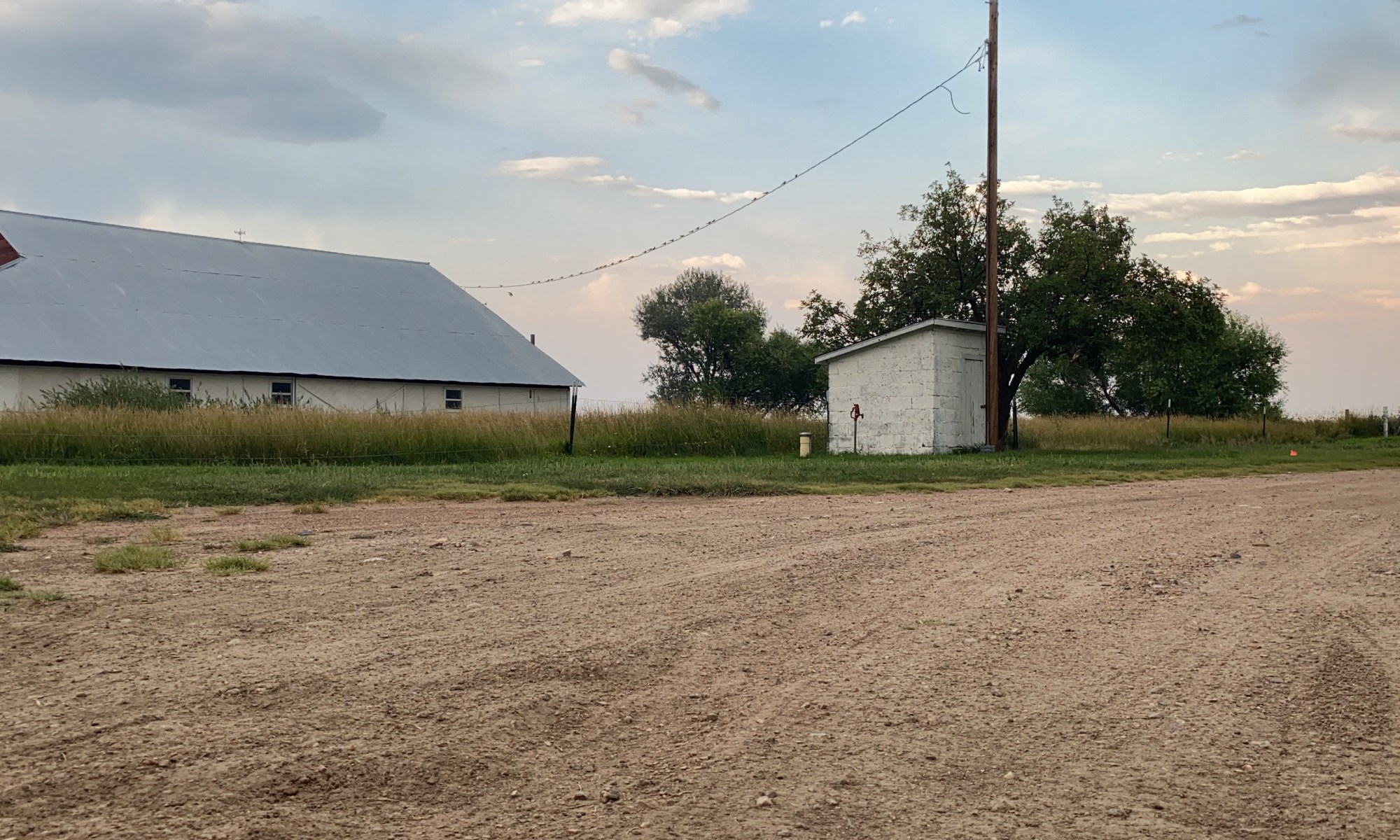
There’s a road I used to turn down that felt like stepping through a portal, like the air shifted as I crossed the threshold into something softer, safer, almost sacred. I lived at the end of that road for five years, and even now, years later, I’m still grieving the loss of it like I lost a person. Because maybe I did.

I lost the version of myself I became in that house.

That place wasn’t just where I lived. It was where I finally exhaled. Where I found rhythm and comfort and hope again. The walls weren’t just shelter. They were sanctuary. And when we left, it wasn’t just a move. It was a tearing. A dislocation. A grief I’ve never quite been able to outrun.

It’s been almost five years since we left, which is almost the same amount of time we lived there. Somehow, that symmetry makes the ache sharper. Like I’m standing on either side of a mirror, looking at a version of myself I can’t reach anymore.

I still cry when I think about it.
I still tear up when I get too close.
I still find myself dreaming about it, vivid, aching dreams where we’re allowed to go back. Where we’re living there again, like nothing ever changed. And I wake up heartbroken all over again.

Some people think of grief as something reserved for death, but I know better. I’ve learned that there’s such a thing as living grief, the kind that haunts you quietly, the kind that follows you into your sleep, the kind that doesn’t have a funeral but still deserves to be mourned.

I don’t know how to stop wanting it back.
And maybe I don’t need to. Maybe that place will always be a soul marker, a lighthouse I can’t reach but still look for on dark nights.

Sometimes, I wonder if peace like that ever comes back.
Not in the same form, but in pieces. In fragments.
In new light through new windows. In quiet mornings where my heart doesn’t feel so bruised.

But for now, I carry it.
I carry her, the woman I was in that house.
The woman who finally felt like she had made it home.
And every time the sky turns that color, the one that feels like a Zach Bryan song, I let myself miss it.

Because what we had there, that was home.


There’s a reel on my Instagram that goes with this post. I put it together with a song that gets me every time. You can watch it here.


To those of you that follow me everywhere – thank you for putting up with this for a few days in a row. I don’t know that I’m through it yet, but I do know there is catharsis in posting.

xoxo
-S

The Art of Showing Up When You Feel Invisible

It’s one thing to be tired. It’s another thing to feel invisible.

Lately, I’ve been doing everything I know how to do. I’m posting, building, creating, and showing up. Still, it feels like I’m operating just outside the edges of everyone’s attention. I keep doing the work, but none of it quite lands. I keep hoping something will catch. The silence is louder than anything I’ve made.

It’s not about applause. It never really has been. But when you give so much of yourself, including your time, energy, and creativity, and the return is minimal at best, it’s hard not to feel like you’re fading into the background.

When everything feels stuck

I’ve hit a plateau in more ways than one.

The scale won’t move, even though I’ve been putting in the effort. My income hasn’t changed much, despite months of work across two businesses. Mentally, I feel like I’m moving through fog.

There’s also the noise that comes from being surrounded by people with big personalities. The ones who take up space without noticing anyone else in the room. They speak first. They speak loudest. Somehow, they’re always the ones being heard. I’m still here, trying to build something real and steady, but it feels like I’m constantly being overlooked.

It’s draining. Not because I expect the spotlight, but because I’m tired of having to work so hard just to be seen at all.

Still moving

Even with all of this, I haven’t stopped. It’s not because I’m feeling hopeful. It’s just what I do.

I still get up. I still write posts. I still plan bakery menus. I still share tools, create content, and show up for a job that pays the bills, even if it isn’t the one I want forever.

An old advisor once told me to get up, dress up, and show up. It stuck with me, not because it was deep, but because it’s something I can still manage. Even on the days when everything else feels out of reach, I can still do that.

Most days, that has to be enough.

There’s no bow on this

This isn’t the moment where everything changes. There are no breakthroughs here. Just something honest.

I’m tired. I’m working hard. I’m doing what I can. Right now, it doesn’t feel like it’s being met with much in return.

But I’m still here. I’m still creating. I’m still planting seeds, even though I won’t see them bloom for a while.

That isn’t failure. It’s just the part of the process people don’t talk about.

A little borrowed peace

There’s a quote I’ve been holding onto.
“Worrying doesn’t take away tomorrow’s troubles. It takes away today’s peace.”

Peace feels rare lately. I don’t want to keep giving it away just because I’m afraid that my work isn’t paying off fast enough. So I’m trying to let myself rest in the doing. Even when no one claps. Even when the numbers don’t move. Even when the progress is invisible to everyone but me.

What to do when you’re in this place

If this feels familiar, if you’re in a stretch where you’re doing the work and still feel invisible, I hope you’ll pause for a second. Acknowledge how heavy it all feels. Then keep going with whatever’s in front of you.

Here’s what’s been helping me:

  • Keep a done list. Don’t track what you didn’t finish. Track what you did. Let it add up.
  • Turn down the noise. Log out. Mute people. Unfollow accounts. Do what helps you hear yourself again.
  • Make something just for you. Don’t post it. Don’t monetize it. Just make it because it feels good.
  • Finish one small thing. One task. One piece of progress. One win you can hold onto.

You don’t need to feel visible to be valuable. You don’t need to be noticed to be strong. You are allowed to keep building quietly.

And if all you did today was continue, that counts.

xoxo
-S

Gratitude and the Ghosts I Carry

I’m going through something right now.

It’s not the kind of something you can tie up in a punchline or smooth over with a filtered selfie and a good caption. It’s the kind of something that sits in your throat, too heavy to swallow, too stubborn to spit out. The kind that makes you want to cancel everything and also say yes to anything that might distract you from it. I filmed a video already; I talk more about it there. But I haven’t been ready to let it out in writing until now. Maybe not even now. Maybe this is just the pressure valve hissing open because I’ve been holding it in too long.

This morning I saw an image, just a throwaway post on someone’s story. One of those things you scroll past a hundred times a day. But it stopped me cold:

“No amount of regret changes the past. No amount of anxiety changes the future. But any amount of gratitude changes the present.”

I don’t believe in signs most days. I believe in algorithms, and caffeine dependency, and making the best of what’s rotting in the fridge. But this hit like a reminder I didn’t know I’d asked for. Like someone whispering through the noise, pay attention.

Because regret and anxiety are the monsters I know best. Regret follows me like a shadow. It creeps in after the conversation ends. After the silence stretches too long. After the decision is made. It sounds like, You should have known better. You should have done more. You should have seen this coming. It’s not just about the big moments either. It’s about all the tiny ones. The split seconds where I didn’t speak up. The days I didn’t take care of myself. The years I spent twisting myself into shapes to be more palatable, less much.

Anxiety, on the other hand, is loud. It doesn’t creep. It crashes. It’s that buzz under my skin, that hum in my brain that never quite lets me rest. It’s the panic of not knowing what comes next, and the certainty that it won’t be good. It makes me flinch at the future like it’s a fist about to swing. It whispers about failure and financial ruin and being forgotten. It tells me I’m running out of time. That I’ve already wasted too much.

So between those two, regret dragging behind me and anxiety pulling ahead, I rarely feel like I’m anywhere solid. Just suspended between what I can’t fix and what I can’t control.

And then there’s that last line:
“Any amount of gratitude changes the present.”
And I want to roll my eyes at it. I want to dismiss it like I do most platitudes. But I can’t. Because there’s something true in it, and truth doesn’t need to shout to be real.

Gratitude is quiet. It doesn’t erase anything. It doesn’t overwrite the damage or scrub out the scars. But it does anchor me, even if only for a second. It pulls me out of the loop. It gives me something to touch.
Right now. Not someday. Not what was. But this.

And the truth is, I haven’t been doing a good job of being here lately. I’ve been somewhere else entirely. I’ve been in the hospital room that still haunts me. I’ve been on the couch where I numbed out for months. I’ve been in the mirror, picking myself apart. I’ve been in the future, catastrophizing every possible path, convinced none of them end well.

But gratitude says, stop. Just for a moment.

Look around.
There’s a dog sleeping with her paw over her nose.
There’s hot coffee cooling too fast but still comforting.
There’s your body, still trying, still waking up every morning, even after you’ve cursed it and failed it and apologized to it and cursed it again.
There’s the ridiculous fact that in the middle of everything crumbling, someone still said “I love you” and meant it.
There’s breath. There’s sweat. There’s music.
There’s you. Still here.

And that doesn’t fix it. It doesn’t make the grief go away. It doesn’t make the money show up or the fear disappear or the trauma untangle itself. But it’s something. It’s a rope. And right now, that might be enough.

I don’t have a clean ending for this post. No tidy resolution. No three-step plan.
I’m still deep in it. Still clawing my way toward whatever the next version of me looks like.

But I’m grateful you’re here, reading this.
I’m grateful I have words, even when I don’t want to use them.
I’m grateful for the click of the keyboard and the low hum of the heater and the fact that, despite it all, I haven’t stopped showing up for myself, even in the smallest of ways.

That’s where I’m living right now. In the small. In the barely-there gratitude. In the tiny flickers of light that remind me I’m not done yet.

And maybe that’s the whole point.

xoxo
-S

P.S. – Dare I ask – should I create a shadow work series/workbook? What do you think?

63 Days to Miss Oil City

The Game Plan for Sophie Atomic

So, here we are. Sixty-three days out from Miss Oil City.
I’ve got my registration in, my lashes on standby, and a whole lot of work to do before I strut across that stage as Sophie Atomic.

This is going to be my official Pinup Prep kickoff, and I’m claiming Mondays right here on the blog to track the chaos, glamour, breakdowns, glow-ups, and everything in between.

I’m not starting from scratch. I’m down about 45 to 50 pounds so far, depending on the day. I’ve been in a plateau for a minute (hi, I see you), but I’ve got my eyes set on shedding another 20 to 30 before showtime. Not because I have to. Because I want to feel like myself, dialed up to 11.

What Needs to Get Done

Let’s be real. Sixty-three days sounds like a lot until you write out the list. So here it is. Everything I need to work on if I want to bring Sophie Atomic to life on that stage.

👗 Outfit Planning
I don’t just want to wear something cute. I want a look. A moment. Something that gives cheeky rebel with a wink of spooky sweetness. If I have time and it makes sense, I may call in my sister for something custom. That might be more realistic for Rock’n’Route Rendezvous later in the year.

✅ Signature outfit, with backup
✅ Proper undergarments that lift, smooth, and let me breathe
✅ Accessories that scream “planned” instead of “panicked”
✅ Shoes I can strut in without dying

💃 Walk Like Shalom
You know the moment. Shalom Harlow gliding like liquid confidence. Every movement intentional. Soft, strong, unforgettable. That’s the energy I want to bring. Not just a walk. A presence.

✅ Daily strut practice, mirror or hallway or kitchen
✅ Record myself once a week to spot what needs work
✅ Channel Sophie in every move. Confident, clever, a little dangerous

🎭 Character Building
Sophie Atomic isn’t just a name. She’s a whole vibe. A cheeky little hellraiser with a pin-up pout and a don’t-mess-with-me sparkle in her eye.

✅ Write a backstory or character bio
✅ Start journaling as her once a week to get in the mindset
✅ Practice embodying her in mirror poses and daily movement

💄 Hair and Makeup Trials
I can’t show up looking like I just rolled out of bed unless it’s in a glam robe and victory rolls. Hair and makeup need to be locked in and able to hold up under nerves, lights, and hopefully a tiara.

✅ Full glam once a week to test and time the process
✅ Pick a go-to lip color and hairstyle that feels like Sophie
✅ Learn from every trial what works, what doesn’t, and what melts off under pressure

📸 Mirror Poses and Photo Practice
Photos are half the game. I want to hit my angles with confidence, not guess and hope for the best.

✅ Practice five to ten go-to poses in the mirror every day
✅ Set up at least two full-glam photo sessions, even if they’re DIY
✅ Study poses from vintage pinups and modern icons. Steal like an artist

📉 Body Goals and Stamina
Like I said, I’m already down 45 to 50 pounds. But this next stretch is about more than the number. I want stamina, glow, and confidence. I want to feel strong when I walk on stage.

✅ Stick to my Virta plan
✅ Keep moving every day, even when I don’t want to
✅ Stretch more. Sleep better. Hydrate like a queen
✅ Cut down on self-trash talk. It doesn’t belong in the dressing room

😁 Smile, Darling
I don’t need a blindingly white Hollywood smile, but I do want to feel confident grinning under those lights.

✅ Add tooth whitening to my nightly routine
✅ Cut back on things that stain. Iced coffee, I still love you
✅ Drink more water. Yes, with a straw

🗓️ My Weekly Breakdown
To keep from losing my mind, I’m giving myself themed focus days.

Monday: Blog post, progress photos, walk practice
Tuesday: Hair or makeup trial
Wednesday: Character development, journaling as Sophie
Thursday: Full glam run-through
Friday: Outfit planning and accessorizing
Weekend: Reset, photo sessions, reflection, rest

That’s the plan. It’s not about being perfect. It’s about showing up, showing out, and reminding myself that I’m allowed to take up space and look damn good doing it.

So here’s to the next 63 days. Sophie Atomic is coming in hot and a little haunted.

Let’s get ready to blow the roof off Oil City.

See you next Monday. 💋

xoxo
-S

The Blue Light Conspiracy

Did We Sabotage Our Own Sleep?

I woke up in the middle of the night thinking about my mom’s old alarm clock. One of those classic digital ones with bright red numbers—the kind you could read from across the room even if yI woke up in the middle of the night thinking about my mom’s old alarm clock. One of those classic digital ones with bright red numbers, the kind you could read from across the room even if you were half-blind without your glasses. The kind that sat on every nightstand in the ‘80s and ‘90s, glowing like a low ember in the dark. The kind that’s still sitting on hers to this day.

And somewhere between half-asleep and fully awake, I realized something:

Why did we move away from red-lit clocks?

Why is everything blue light now?

And why is it that after all these years of technological advancements, we’re suddenly “rediscovering” that blue light disrupts sleep while red light doesn’t?

Because here’s the thing, red light doesn’t interfere with melatonin production. But blue light? Blue light tells your brain, Hey, it’s noon! Wake up and stay awake forever!

Which means that all those old alarm clocks, with their simple red glow, were actually better for our sleep than the glowing blue numbers we see now.

I don’t think that was intentional. But it sure is ironic.

The Shift to Blue Light: Progress or a Mistake?

At first, the answer seems simple. Blue LEDs are more energy-efficient, and they make screens look crisper. Tech companies loved them because they made everything seem brighter, cooler, and more modern.

Red light? Too warm. Too outdated. Too much like a dim nightlight when people wanted sleek, futuristic aesthetics.

So the world shifted to blue. Phones, TVs, car dashboards, alarm clocks, even streetlights.

And then the research started rolling in, showing that blue light before bed suppresses melatonin, messes with circadian rhythms, and is likely part of the reason we all feel like zombies the next morning.

So now, guess what?

We have night mode settings on our phones. We have “sleep-friendly” alarm clocks marketed as the latest innovation. We have blue-light-blocking glasses and red light therapy lamps.

All to fix the problem that we created in the first place.

We paid to break our sleep, and now we’re paying to fix it. If that’s not capitalism at its finest, I don’t know what is.

The Purple Streetlight Phenomenon

If you’ve seen those eerie purple streetlights popping up in cities, you might’ve heard the theories. Some say they’re for facial recognition. Some say they interact with nanoparticles from vaccines (🙄). Some claim they’re a government experiment to disrupt sleep cycles.

The actual explanation?

A manufacturing defect in the LED coating. These lights were supposed to be white, but the phosphor layer that balances the color is breaking down, exposing the raw blue-violet light underneath.

It’s an accident.

At least, that’s what they say.

But here’s the interesting part: as soon as people started seeing these lights pop up, they immediately assumed there was something deeper going on.

And that brings me to…

Why Do We Love a Good Conspiracy?

There’s a reason conspiracy theories take off, and it’s not just because people like being paranoid. It’s psychological.

People want to feel like they have control.

When things feel unpredictable, the brain looks for patterns, even when there aren’t any.

If something weird happens (like streetlights suddenly turning purple), people don’t assume “Oh, that’s a mistake.” They assume there’s a reason, even if they have to make one up.

Our brains are wired to connect the dots.

Pattern recognition is a survival trait. But sometimes? It works a little too well.

That’s how you get people connecting 5G towers, vaccines, and purple streetlights into one giant plot.

People don’t trust institutions.

And honestly? Can you blame them? Governments and corporations do shady things all the time.

The problem is, this leads to people assuming everything is part of a secret plan, even when the truth is just bad design or poor decision-making.

Fear spreads faster than facts.

Nobody is clicking on an article that says, “Oops! Some streetlights are defective!”

But tell people, “The government is using purple streetlights to track you” and suddenly, everyone is paying attention.

But What If It’s Not Just an Accident?

Here’s the thing. I don’t think blue light was pushed on us as some grand evil scheme. But I do think the people who made these changes didn’t care about the consequences until it was too late.

They weren’t thinking, “Let’s ruin everyone’s sleep so we can sell them a solution later.”

They were thinking, “These blue LEDs are cheaper and look cooler. Let’s go with that.”

But now that we’re all sleep-deprived and overstimulated, they’ve found a way to profit off fixing the problem, by selling us red light therapy, blue light filters, and sleep-friendly bulbs.

Funny how that works.

Full Circle: Were Old Alarm Clocks Onto Something?

Maybe. Or maybe it’s just another example of how we often had things right before someone decided to “improve” them.

I mean, we’re now at a point where tech companies are selling “biohacker-approved” red light alarm clocks for $100. Meanwhile, my mom’s vintage red-clocked relic still works just fine.

So, if you’ll excuse me, I think I’ll be heading to eBay to get my hands on one before they start marketing them as “cutting-edge sleep optimization devices” for three times the price.

lol… What do you think?

xoxo
-S

The Shotgun Incident in Sheridan

What It Takes to Leave

Leaving an Abusive Relationship: What Survivors Face After the Escape

Leaving an abusive relationship isn’t just about making a decision. It’s about surviving everything that comes after.

For many survivors, walking away becomes the most dangerous moment of their lives. The abuser has lost control, and that loss can trigger violence. Years of psychological and emotional manipulation often escalate in a final act of retaliation.

For Alina Gaona, that moment came on October 9, 2024.

That night, her estranged husband, Oscar Gaona, showed up at her home in Sheridan, Wyoming. He was armed. He made threats. As Alina tried to flee, he pulled the trigger.

She survived. She got away and called for help. Law enforcement responded quickly and arrested Gaona shortly afterward.

Even with him in custody, the trauma doesn’t vanish. Survivors of attempted homicide carry physical, emotional, and psychological scars that last long after the event.

Oscar Gaona was charged with two counts of aggravated assault. On February 20, 2025, he entered a guilty plea to one count through a deal that recommended a prison sentence of three to five years. His sentencing is scheduled for May 6, 2025.


Domestic Violence in Wyoming: A Silent Emergency

Domestic violence affects every community, but in Wyoming, survivors face unique and life-threatening challenges. Isolation, limited access to resources, and small-town dynamics can trap victims in dangerous situations.

Rural Isolation Delays Help

Wyoming is the least populated state in the U.S. Long stretches of open land and vast rural areas can make help nearly unreachable. Some survivors live hours from the nearest domestic violence shelter, if one exists at all.

Law enforcement officers often cover hundreds of miles, delaying emergency response times. Family and friends may be scattered across the state, leaving victims without a nearby support system.

In many cases, the only safe option is to leave Wyoming entirely, which can feel impossible without financial resources.

Small Communities Create Big Barriers

In small towns, privacy is hard to come by. Survivors often worry that reporting abuse will lead to judgment or disbelief, especially if the abuser holds a respected position in the community.

Law enforcement may know the abuser personally. Judges and prosecutors sometimes lean toward leniency to avoid upsetting local dynamics. These realities create an environment where victims hesitate to come forward.

Guns and Domestic Abuse Are a Deadly Combination

Wyoming ranks among the highest in gun ownership rates nationwide. While most residents use firearms responsibly, studies show that the presence of a gun increases the risk of homicide in domestic violence cases by 500 percent.

In Alina Gaona’s case, a firearm was allegedly used in the assault. Incidents like this highlight the deadly consequences survivors face when leaving.


Why Leaving Triggers Danger

Leaving is not always the safest option. Abusers often become most violent when they feel control slipping away.

Control Turns to Rage

Research shows that survivors are at the highest risk of being murdered after they leave. That loss of power can turn into desperation and explosive violence.

Emotional Conditioning Lingers

Abusers don’t start with physical attacks. They begin with charm, manipulation, and subtle control. Over time, victims are conditioned to question themselves. Even when they know they need to leave, breaking that mental hold takes incredible strength.

Financial Dependence Can Trap Survivors

Many abusers isolate their partners financially. They may forbid employment, drain bank accounts, or ruin credit. Starting over often means starting from nothing.

Children Are Used as Leverage

Abusers often use children to maintain control. They may threaten to take custody or use legal systems to harass the survivor through prolonged court battles.

Fear Is Constant

Survivors live with the fear of retaliation. Police reports and restraining orders do not guarantee safety. When someone has already shown a willingness to harm, every step must be planned for survival.


The Legal System Often Falls Short

Oscar Gaona’s plea deal, recommending three to five years for allegedly shooting at his estranged wife, reflects a broader issue. Outcomes like this are unfortunately common.

Plea bargains are often used in domestic violence cases to avoid retraumatizing the victim or to secure a guaranteed conviction. While this can spare survivors the pain of testifying, it frequently feels like an inadequate response to the trauma inflicted.

A sentence of three to five years may satisfy the court, but the survivor lives with the consequences far longer.


Life After Abuse Requires Support

Leaving is only the first step. Rebuilding takes time, resources, and safety.

Survivors often start over from zero. Some move to new towns, take on new names, and avoid contact with anyone tied to their past. Even then, the emotional weight lingers.

Common Challenges Include:

  • Post-Traumatic Stress and Anxiety
    Panic attacks, hypervigilance, and insomnia often persist.
  • Rebuilding Trust
    Emotional scars can make new relationships and friendships difficult.
  • Legal Entanglements
    Custody battles, stalking, and protection order violations may continue long after separation.

Support Is Available

No one deserves to live in fear. If you or someone you know is experiencing domestic violence, these resources can help:

  • National Domestic Violence Hotline: 800-799-7233 or thehotline.org
  • Wyoming Coalition Against Domestic Violence & Sexual Assault: wyomingdvsa.org
  • SAFE Project (Laramie, WY): 307-742-7273

Survivors deserve more than survival. They deserve peace, justice, and the space to rebuild their lives on their own terms.

xoxo
-S

As an amateur true crime writer, I strive to provide accurate and well-researched information. However, please be aware that I am not a professional investigator or journalist, and my work is based on available sources and my understanding of the case. There may be inaccuracies or incomplete details in my posts. I encourage readers to seek out additional sources and verify information from official and professional channels. Thank you for your understanding and support.

https://cowboystatedaily.com/2024/11/06/wyoming-woman-says-estranged-husband-baited-then-tried-to-kill-her/

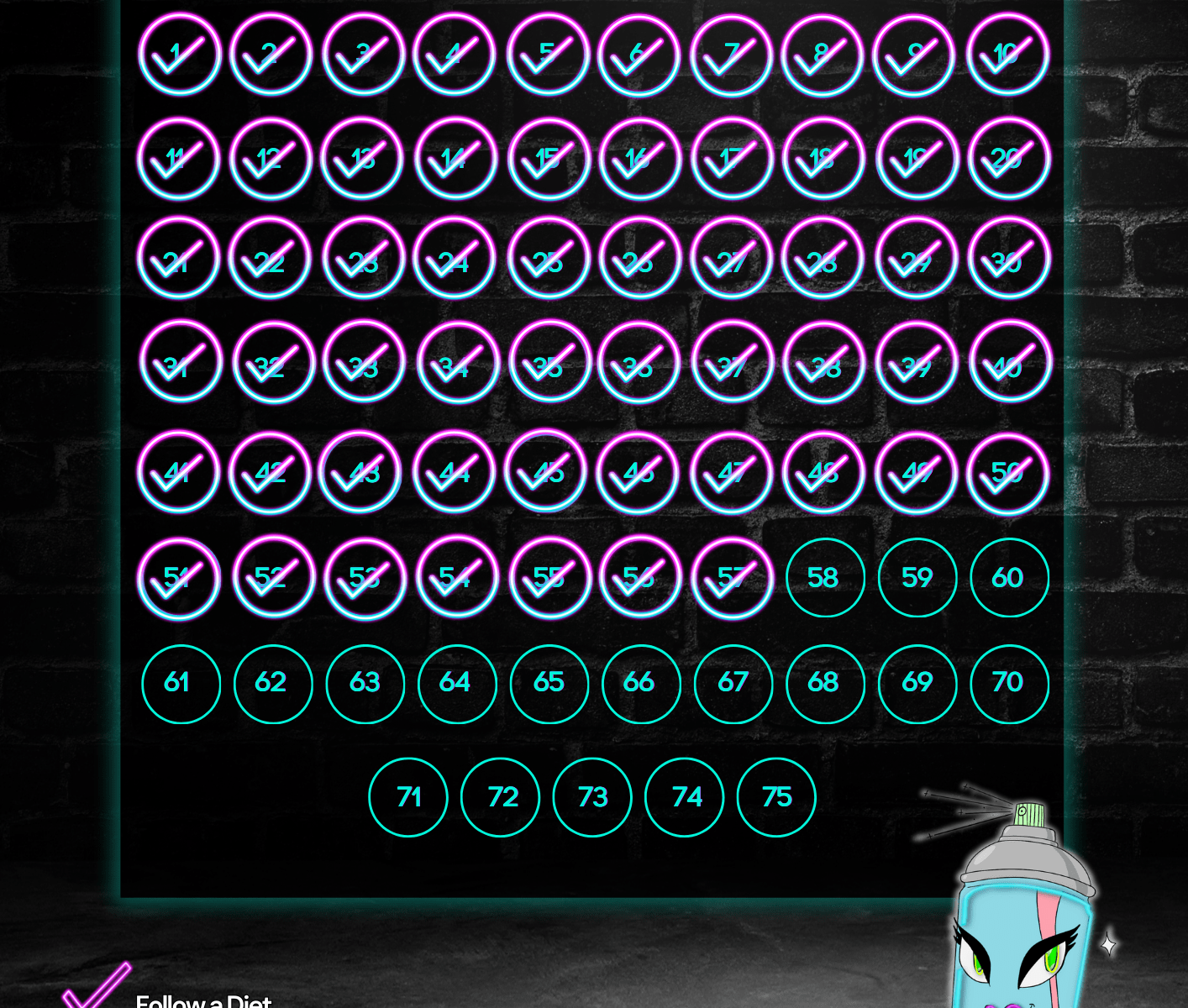
75 Hard Challenge | My Honest Day 57 Progress & Lessons

If you follow me on Instagram (@levelupsaho), you already know I’ve been all-in on the 75 Hard challenge. It’s not just another fitness challenge, it’s a full-scale commitment to showing up, every single day, no excuses. I didn’t start this on a whim, and I’m not coasting through it either. This challenge is teaching me more than I expected! Not just about self-discipline and mental toughness, but about my own cravings, limits, and capabilities.

Why I Took on 75 Hard

I needed something that would push me past my usual limits. Physically, mentally, and in every area of my life. Half-measures weren’t cutting it anymore. 75 Hard doesn’t let you negotiate with yourself. You either do the work or you start over. Two workouts a day (one outdoors for mental resilience), a gallon of water, 10 pages of reading, progress photos, and sticking to a strict diet. No shortcuts. No cheat days. No wiggle room.

But what I wasn’t expecting was how much I would start craving certain things. Moments of peace, structure, and even my outdoor workouts.

Unexpected Benefits of 75 Hard: Why I Crave My Walks

I thought I’d be craving sugar, rest days, or just an easy way out. Instead, I find myself needing my evening walk. Not because it’s part of the challenge, but because it’s become this essential moment where my mind slows down. No music. No distractions. Just me, the cold air, and the sound of my footsteps. It’s a craving I didn’t see coming, but one I don’t want to lose.

And then there’s the exhaustion. The kind that settles deep in my bones, making every muscle ache. But it’s not the kind of exhaustion that breaks me. It’s the kind that builds me. I’m learning that I can push through. That I can function even when my body is screaming at me to quit. Every day, I prove to myself that I have more in me than I thought.

What 75 Hard Has Taught Me About Self-Discipline

This isn’t a feel-good, just do your best kind of thing. Some days, I’m dialed in. Other days, I’m dragging myself through every task. But I get it done. Every single day. Because that’s the deal.

  • The exhaustion is real. There’s no skipping workouts because I’m tired. I show up anyway.
  • No compromises. There’s no “I’ll make up for it tomorrow.” You either hit your targets or you start over.
  • Mental grit is everything. Stripping out the noise and doing what needs to be done has sharpened my mindset more than I expected.
  • Craving routine. I used to resist structure, but now I find comfort in it. My workouts, reading, and meal planning have all become something I look forward to.
  • Seeing what I’m capable of. The biggest lesson? I’m stronger than I thought. Pushing past my own limits every day is proving that to me in ways nothing else ever has.

What I’ve Learned So Far from 75 Hard

I expected 75 Hard to be tough. I didn’t expect it to shift the way I see myself. I always thought I needed motivation. But what I actually needed was proof.

Proof that I can show up, even when I don’t want to.
Proof that I can handle exhaustion, discomfort, and self-doubt without letting them stop me.
Proof that I can trust myself to follow through on what I say I’ll do.

Follow My 75 Hard Journey on Instagram

I post the reality of this challenge daily on my Instagram stories. No filters. No sugarcoating. Just the actual work, struggles, and wins. If you’ve ever considered doing 75 Hard or just want to see what real commitment looks like, come follow along.

This isn’t about aesthetics or short-term wins. It’s about proving to myself that I can commit and execute no matter what. If you’re ready to take on something big in your own life, stop waiting for the perfect time. Just start.
xoxo
-S

//www.instagram.com/embed.js

Breaking the Cycle: Managing Snap Reactions and Finding Self-Forgiveness

We’ve all been there: a stressful day, a slight annoyance, and suddenly, we snap. But what happens when the person on the receiving end didn’t deserve it? More importantly, how do we forgive ourselves and break the cycle? Let’s dive in.

Understanding the Triggers

Identify the Triggers: The first step to managing snap reactions is to understand what triggers them. Reflect on the moments when you’ve snapped. Was it a specific situation, a particular person, or maybe even a certain time of day? Keeping a journal to track these instances can help you identify patterns.

Emotional Awareness: Snapping often comes from a place of stress, frustration, or feeling overwhelmed. Being more aware of these underlying emotions can help you address them before they escalate into a reaction.

Strategies to Manage Reactions

Pause and Reflect: When you feel the urge to snap, take a moment to pause and breathe. This short pause can provide the space needed to choose a more measured response rather than reacting impulsively.

Healthy Outlets: Finding healthier ways to express frustration is crucial. Physical exercise, engaging in a hobby, or talking things out with a trusted friend can provide much-needed relief and perspective.

Communication Skills: Practice clear and calm communication. Using “I” statements, such as “I feel frustrated when…” can help express your feelings without placing blame on others, reducing the likelihood of conflict.

Steps to Forgive Yourself

Acknowledge and Apologize: When you do snap, acknowledging it and offering a sincere apology to the affected person can mend relationships and reduce feelings of guilt.

Self-Compassion: It’s important to be kind to yourself. Remind yourself that everyone makes mistakes and that it’s okay to be imperfect. Beating yourself up over these moments only adds to the stress.

Learn and Grow: Use these experiences as opportunities to learn and grow. Each time you handle a situation better than before, you’re making progress towards breaking the cycle.

Practical Techniques for Long-Term Change

Mindfulness and Meditation: Practices like mindfulness and meditation can help you stay grounded and reduce overall stress, making it easier to manage your reactions.

Therapy or Counseling: If snapping is a frequent issue, consider seeking professional help. Therapy can provide tailored tools and strategies to help you manage your emotions more effectively.

Lifestyle Changes: Maintaining a balanced lifestyle can have a significant impact on your emotional well-being. Regular exercise, a healthy diet, and sufficient sleep all contribute to better stress management.


Snapping at people occasionally is part of being human. The key is to recognize the pattern and work towards change. Be patient with yourself and celebrate small victories along the way. Remember, every step you take towards managing your reactions and forgiving yourself is a step towards a healthier, happier you.

xoxo
-S

Mental Health Awareness: Understanding and Destigmatizing Depression

Mental Health Awareness Month

May is Mental Health Awareness Month. This time is dedicated to raising awareness about mental health issues, reducing the stigma surrounding them, and promoting the importance of mental well-being. It’s a month that calls for compassion, understanding, and solidarity with those who struggle silently. Mental health is as vital as physical health, and this month provides an opportunity to highlight that fact.

As in everything I do, I tend to show up to the party a little late. I was reflecting recently on the month and remembered a Reel I had posted on Instagram a while back; I felt the need to expand that sentiment.

Discovering the Power of Poetry

I was 17 the first time I heard Sylvia Plath’s poem, “Mirror.” I was at a speech and debate conference when I discovered Plath and Emily Dickinson. These poets gave me a way to release the weird, dark, pent-up feelings I had. At 17, it felt like I had lived a life full of emotions and experiences. Maybe not, in hindsight, but it absolutely felt like that to my teenage self. The intensity of adolescence can often be overwhelming, and finding an outlet through poetry helped me understand and articulate my feelings.

The Complex Nature of Depression

Many view depression as a terrible, awful, shameful thing. But it’s not. Depression is one of the most profound human experiences, to feel on such a deep level. It can make someone feel incredibly isolated and misunderstood. However, these feelings do not diminish a person’s worth or humanity. Depression isn’t always just sadness. It can manifest as numbness, a lack of motivation, or a feeling of emptiness. The stigma around depression often prevents people from seeking help. Yet, it is a biological and psychological condition that deserves compassion and understanding, not judgment.

The Importance of Feeling Deeply

In our attempts to deal with mental health issues, it’s essential to remember that numbing our emotions isn’t the solution. Numbing, whether through substances, distractions, or avoidance, only masks the underlying issues without addressing them. Feeling deeply, even when it involves pain and sadness, is a fundamental part of the human experience. Our emotions, both positive and negative, are crucial for personal growth, empathy, and understanding ourselves and others. Embracing our emotions can lead to greater self-awareness and resilience, helping us navigate life’s challenges more effectively.

A Shift in Understanding

We live in an age with an abundance of information. Many studies have been conducted. A plethora of medications exist to pinpoint exact needs. Medical professionals recognize and offer help for mental health issues more readily. The resources available today make it possible for individuals to find effective treatment and support. While mental health issues can still get swept under the rug, they don’t have to. By continuing to break down the stigma and encouraging open dialogue, we can create a more supportive environment for everyone.

The Reality of Depression

Please don’t misinterpret my view as saying depression is good. It isn’t. It’s lonely and a destroyer of many things. However, it doesn’t make the sufferer a lesser person. Depression is a complex condition, often marked by a range of symptoms beyond sadness, including fatigue, changes in appetite, difficulty concentrating, and feelings of worthlessness. It affects people from all walks of life, regardless of their background or circumstances. Recognizing this can foster empathy and reduce the stigma that often surrounds mental health issues.

The Importance of Seeking Help

Acknowledging the depth and reality of depression is crucial for breaking down the stigma. Open conversations about mental health can help people feel less isolated in their struggles. Support systems, therapy, and medication can make a significant difference in managing and alleviating symptoms. Seeking help is not a sign of weakness but a courageous step toward healing. It’s important to create a culture where reaching out for support is seen as a positive and necessary action.

Resources and Support

If you or someone you know struggles with depression, remember that help is available. The suicide hotline, reachable at 988, is a vital resource where you can call or text for support. This confidential service offers immediate assistance and can connect individuals with further resources. You don’t have to go through this alone. Reaching out for help is a sign of strength, not weakness. Additionally, numerous online resources, support groups, and mental health professionals dedicate themselves to providing care and support.

Conclusion

Mental Health Awareness Month is a crucial time for understanding and destigmatizing conditions like depression. It’s about recognizing the complexity of these experiences and offering compassion and support to those who suffer. By continuing to educate ourselves and others, we can create a society where seeking help for mental health issues is normalized and encouraged, ensuring that no one feels ashamed or alone in their struggles. Numbing our feelings isn’t the answer. Embracing the full spectrum of human emotions is essential for healing and growth. Together, we can foster a more empathetic and supportive world, where every individual’s mental health is valued and cared for.

xoxo
-S