Why You Might Gain Weight After Intense Workouts

(Even If You’re Getting Stronger)

This weekend wrecked me. In the best way, and also in the what is happening to my body kind of way.

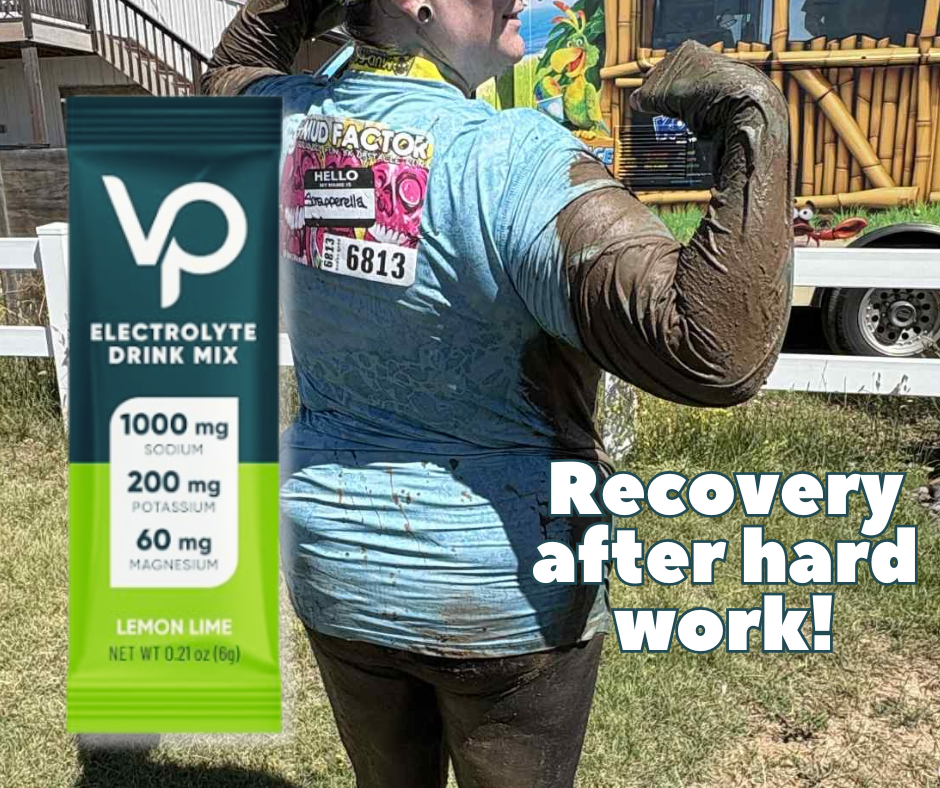
I did a high-level, three-hour derby practice that pushed every limit I had. Then I turned around the next day and ran a full mud run. We’re talking slick hills, army crawls, water pits, and laughing so hard my ribs hurt. My legs were toast, my face sunburned, and my body? Puffier than a can of biscuits in July heat.

When I stepped on the scale Monday morning, I was almost four pounds heavier than the day before.

But here’s the thing. I didn’t gain four pounds of fat.
I didn’t backslide.
I’m not undoing my progress.
And if this sounds familiar to you, neither are you.

This is one of the most common experiences people have after a tough workout. Weight gain after intense exercise is real, but it isn’t what you think.


Why Your Body Holds Onto Weight After a Workout

When you train hard, especially multiple days in a row, your body goes into full repair mode. And that comes with some misunderstood side effects.

Inflammation From Muscle Repair

Intense activity creates tiny tears in your muscle fibers. That’s how you get stronger. Your body sends extra fluid and immune cells to repair the damage. The result? Swelling, puffiness, and water retention. Not fat gain.

Glycogen Storage Brings Water With It

After depleting your energy stores, your body works to restock. Glycogen, which is stored carbohydrate, binds to water. For every gram of glycogen, your body holds onto three to four grams of water. So when your muscles refuel, your weight temporarily goes up.

Cortisol Triggers Fluid Retention

Physical stress, even the positive kind, spikes cortisol. That hormone helps with repair but also causes your body to hold onto water, especially in the face and legs.

Lymphatic Slowdown

Your lymph system flushes out waste and excess fluid. After big exertion, it can get overwhelmed. Fluid may pool, leading to puffiness in the face, legs, and hands.

What I’m Doing to Recover (and What Might Help You Too)

Because this is about care, not panic!

  • Hydration, but make it electrolytes. Water alone isn’t enough. Electrolytes help pull fluid into cells where it belongs and flush the rest.
    • I’m a big fan of LMNT, but I’m also a champagne girl on a beer budget; lately I’ve been loving these electrolyte sticks that I find highly comparable to LMNT for a much lower price point!
  • Movement that doesn’t suck. I’m walking, stretching, and foam rolling. Nothing heroic. Just keeping things flowing.
  • Sleep. Not always easy, but non-negotiable. That’s when the real repair happens.
  • Compression. I’m not above rocking my derby leggings off-track. They help.
  • Magnesium. It eases soreness, supports muscle repair, and helps release excess fluid.
  • Not cutting food. My body needs fuel right now, not punishment.

This Is What Getting Stronger Looks Like

We’re so conditioned to fear the scale. To see a few extra pounds and think we failed.

But in reality, this kind of temporary weight gain is a sign that your body is healing. Muscles are repairing. Systems are rebalancing. You are getting stronger, not slipping backward.

Post-workout inflammation and water retention are normal parts of recovery, especially for women lifting heavy, training hard, or pushing limits in sports like derby.

So if you’ve ever felt confused or discouraged by scale fluctuations after a hard weekend, let this be your reminder.

You didn’t gain weight.
You gained progress!

That’s the kind of weight I’ll carry it proudly.

xoxo
-S

Affiliate Disclosure: This post contains affiliate links. If you click on these links and make a purchase, I may earn a small commission at no additional cost to you. I only recommend products and services that I personally use and believe in. Thank you for supporting my blog!

Derby Goals 2025

How to Crush It On and Off the Track

Another derby season is here, which means it’s time to set some goals and actually follow through. Whether you’re trying to level up your blocking, improve your endurance, get more confident on your skates, or just survive another year of full-contact madness, having a clear plan makes all the difference.

The hard part isn’t setting the goals. It’s staying consistent.

So here’s a breakdown of how to follow through, build momentum, and make real progress this season.


Step 1: Get Specific About Your Goals

Saying “I want to get better at blocking” is too vague. What does better look like? Get clear on the details.

Instead, try:

✅ “I want to land strong lateral blocks and control jammers instead of reacting.”
✅ “I’ll practice my plow stops for 15 minutes before every practice until I can stop exactly where I want.”

The more specific you are, the easier it is to track progress and stay motivated.


Step 2: Break Big Goals into Small Wins

A massive goal can feel overwhelming without a step-by-step plan. Breaking it down makes it doable.

🏆 Trying to build endurance? Start by shaving five seconds off your 27-in-5 time.
🏆 Want to master apex jumps? Focus on power drills and controlled landings before going full speed.
🏆 Looking to feel more confident on the track? Try speaking up more at practice, asking for feedback, or adding one new skill per week.

Small wins build momentum. And momentum keeps you moving forward.


Step 3: Keep Yourself Accountable

Most people lose steam because no one is holding them to it. You can fix that.

📌 Find an accountability partner. A teammate who checks in and pushes you when needed.
📌 Track your training. Write down what you worked on, what felt strong, and what needs more time.
📌 Film yourself. Watching playback helps you see what’s actually happening on the track.
📌 Put your goals out there. Post them in your league’s group chat, on a whiteboard, or online.

Make it harder to quit than to keep going.


Step 4: Train Off-Skates (Yes, It Matters)

Only training at practice limits your progress. Strength, mobility, and fuel matter more than people like to admit.

🏋️‍♀️ Strength training builds power and stability.
🧘‍♀️ Mobility work improves your balance and makes you harder to knock down.
🥦 Nutrition and rest affect energy, recovery, and how your body holds up through the season.

You can’t skate your best if your body isn’t ready for it.


Step 5: Be Willing to Adjust

Sometimes the goals you set in January stop making sense by June. That’s not failure. That’s awareness.

Maybe you wanted to jam, but blocking turned out to be your thing. Maybe you planned to play every game, but your knees need a different pace.

Reassess. Rework. Keep showing up.


My Derby Goals for 2025

Here’s what I’m working on this season:

🔥 Stronger lateral blocking. I want to control space and deliver intentional hits instead of reacting on the fly.
🔥 Explosive speed bursts. Endurance is great, but I want to be able to accelerate fast and close gaps quicker.
🔥 Better teamwork and leadership. This sport doesn’t work without trust and communication, and I want to build both.


Your turn. What are your derby goals for 2025? Drop them in the comments or share your favorite tip for sticking with them. Let’s make this season one to be proud of.

xoxo
-S

New Year, New Gear

Essentials for Every Derby Girl (or Guy)

A fresh year feels like stepping onto a smooth track with brand-new wheels: full of posA fresh year feels like stepping onto a smooth track with brand-new wheels: full of possibilities and ready to roll. Roller derby isn’t just about skating hard; it’s about being prepared, from your gear to your mindset. This isn’t about throwing cash at shiny products; it’s about knowing what works for you and why. So, let’s break it down and make sure you’re rolling into the new season fully equipped.

1. Skates That Fit You and Your Style

Your skates are the backbone of your derby life. Finding the right pair can take some trial and error, but it’s worth the effort.

High-Top Skates: High-tops offer more ankle support and can feel more secure, especially for newer skaters. Just be cautious. Some high-tops look great but don’t allow for essential adjustments like changing toe stops, trucks, or wheels. If you’re eyeing a pair, make sure they’re customizable. For a reliable option, check out the Moxie Panther Roller Skates.

Low-Top Skates: If agility and speed are your game, low-tops might be a better fit. They’re lighter and allow for quicker direction changes, making them a favorite for jammers. A dream option like the BONT Hybrid Prodigy is fantastic, but even budget-friendly models can work wonders if they fit well and meet your needs. For the truly committed, building a custom pair can give you unparalleled comfort and performance.

Wheels: The debate over wheels is endless. Blockers often prefer wider wheels for stability, while jammers lean towards narrow ones for maneuverability. Personally, I stick with the Atom Poisons. They’re versatile and handle any surface with ease, be it a sticky rink floor or uneven outdoor pavement.

Bearings: Bearings might seem minor, but they’re a game-changer. Upgrading to ceramic bearings can make your ride smoother and faster, with less maintenance involved. If you’ve been using steel, give the Bones Redz Ceramic Bearings a try. You’ll notice the difference.

Tip: Don’t buy skates based on looks alone. Functionality should always come first.

2. Protective Gear That’s Got You Covered

You’re going to fall. It’s part of the sport. But falling smart means having gear that protects you where it counts.

Helmet: A snug, certified helmet is non-negotiable. It’s the difference between getting back up and sitting out. The S1 Lifer is a tried-and-true choice for derby.

Pads: Your knees, elbows, and wrists do a lot of work in derby, and they take a lot of hits. Invest in quality gear like the Killer 187s Knee Pads and Killer 187s Elbow Pads. These stay put during gameplay and provide real impact absorption.

Mouthguard: Communication is crucial in derby, but so is protecting your teeth. A lightweight, moldable option like the Sisu Mouth Guard ensures you can do both without compromise.

Tip: Protective gear isn’t just about staying in the game; it’s about skating with confidence. Knowing you’re covered lets you focus on your performance, not your safety.

3. Tools and Accessories to Keep You Rolling

Even the best gear needs regular upkeep. Here are the essentials every skater should carry:

Skate Tool: Be it tightening your trucks or swapping out wheels, a reliable skate tool is a must.

Extra Laces: A snapped lace mid-bout can throw off your rhythm. Keep backups handy. You’ll thank yourself later.

First Aid Kit: From blisters to bruises, a small first aid kit can make a big difference. It doesn’t have to be elaborate; just include the basics like bandages and pain relief.

Tip: Organize your gear bag so everything has a place. When the pressure’s on, knowing exactly where to find what you need saves time and stress.

4. A Killer Attitude

All the gear in the world won’t help if you’re not in the right mindset. Roller derby is as much about grit and resilience as it is about skill.

Resilience: Every fall is a lesson. The key is getting back up and taking what you’ve learned to improve.

Team Spirit: Derby is built on community. Celebrate each other’s wins, support each other’s growth, and build connections that go beyond the track.

Focus: Set small goals and celebrate progress, be it nailing a new skill or simply showing up to practice when life’s been tough.

Tip: Surround yourself with teammates who inspire you to push harder. Derby is more than a sport. It’s a family.

Time to Gear Up

The start of a new year is a chance to fine-tune your setup and refocus on your goals. Take stock of your gear, make upgrades where it counts, and hit the track knowing you’re ready for whatever comes your way. Remember, it’s not about having the most expensive gear. It’s about having the right gear for you.

What lessons has your gear taught you? Share your tips in the comments and let’s keep the conversation rolling. #DoItDerby


xoxo
-S

The Importance of Keeping Your Derby Gear Clean and Sanitary

Roller derby is a high-intensity, full-contact sport, and we all know that with full contact comes sweat, tons of it. Whether you’re jamming, blocking, or taking hits, your gear gets drenched in sweat, making it the perfect breeding ground for bacteria. While the smell of your gear may seem like a badge of honor, regularly cleaning it is crucial, not just for odor control but also for health and longevity. Let’s break down why maintaining your derby gear is so important and explore different methods to keep it clean, fresh, and functional.

Why You Need to Keep Your Gear Clean

When you think of your gear as armor, it’s easy to focus on the protection it offers from falls, hits, and bruises. But dirty gear can cause more harm than you might realize. Here are a few key reasons why regular cleaning is non-negotiable:

Health Risks: Sweat left to dry inside your pads, helmet, and gear can lead to the growth of harmful bacteria. This bacteria can cause skin irritation, rashes, fungal infections, and even more serious conditions like staph infections or MRSA. Given the close physical contact in roller derby, it’s essential to ensure your gear is not contributing to spreading harmful germs among teammates or opponents.

Odor Control: That signature “derby funk” is not just annoying, it’s a sign that bacteria has taken over your gear. Funky smells mean bacteria are thriving in your sweat-soaked pads. The stench can become overwhelming, especially if you stuff your gear into a bag after practice and forget about it. Keeping things clean helps eliminate the bacteria causing the smell, giving you fresher gear and a happier nose.

Extending Gear Life: Sweat, dirt, and grime break down the materials in your gear over time. By regularly cleaning and maintaining your pads, helmet, and skates, you’ll extend their lifespan, saving you money in the long run.

How Often Should You Clean Your Gear?

The frequency of cleaning depends on how often you skate and how sweaty you get during practice or games. As a general rule, aim to air out your gear after every session and wash it at least once a month. If you’re skating several times a week or participating in intense training, you might want to increase the frequency.

Different Ways to Clean Your Derby Gear

Now that we understand why clean gear is important, let’s dive into different cleaning methods. There’s no one-size-fits-all solution for cleaning derby gear. Different skaters have different preferences based on convenience, materials, and how much time they want to spend. Here are a few methods that work well:

1. The Washing Machine Method (my favorite; though I’ve been known to put them in the dishwasher as well)

One of the easiest and most effective ways to clean your gear is by tossing it in the washing machine. Pads (elbows, knees, wrist guards) and helmet liners can generally handle a wash, though always check the manufacturer’s care instructions before doing this.

Here’s a simple step-by-step:

Step 1: Place your gear (pads, guards, and liners) in a laundry bag or, as I like to do, in an old pillowcase. Knot the end to keep everything contained, and it prevents unnecessary wear and tear from the machine’s spin cycle.

Step 2: Use cold water and a mild detergent, and set your machine to a gentle cycle. Avoid using fabric softeners, as they can affect the breathability and material of your gear.

Step 3: When it’s time to dry, avoid tossing the gear into the dryer. Instead, I prefer to knot the end of the pillowcase and shut it in the dryer door. This way, the heat from the dryer helps dry the gear without it being tumbled around. If you don’t want to use a dryer, air drying in a ventilated area is always a good option.

2. The Hand-Washing Method

If you’re concerned about machine washing, or your gear has delicate components, hand washing is a more controlled and gentle method. This approach is perfect for when you need to clean specific items like helmet liners or skates that require more care.

Here’s how to do it:

Step 1: Fill a tub or sink with lukewarm water and add a mild detergent or a sports-specific cleaner.

Step 2: Submerge your pads and gently agitate the water to remove dirt, grime, and sweat. Pay extra attention to straps, Velcro, and high-contact areas.

Step 3: Rinse the gear thoroughly with clean water to remove any soap residue.

Step 4: Squeeze out as much excess water as possible without twisting or wringing the material, which could cause damage.

Step 5: Air dry your gear by laying it flat or hanging it in a well-ventilated area.

3. Spray and Wipe Method

If you’re short on time or don’t want to fully wash your gear after every session, using a disinfectant spray can help keep bacteria and odors at bay in between washes. This method is convenient but should be used in conjunction with regular deep cleaning.

Here’s a quick process:

Step 1: After skating, immediately air out your gear. Don’t leave it trapped in your gear bag, as bacteria thrive in moist, dark environments.

Step 2: Use a sports-specific disinfectant spray or a homemade solution (mix equal parts water and white vinegar, and add a few drops of tea tree oil for its antibacterial properties).

Step 3: Spray down your pads, skates, and helmet, paying special attention to the inside of your helmet and the areas around straps.

Step 4: Let everything dry thoroughly before putting it back in your gear bag.

4. The Freezer Method

For those really trying to banish bacteria without water, the freezer method might sound unconventional, but it’s a favorite among athletes. This approach helps kill off bacteria that cause odor, and while it’s not a replacement for washing, it’s a great interim solution.

Here’s how:

Step 1: Place your gear (pads, wrist guards, and helmet liners) in a plastic bag or pillowcase.

Step 2: Put the bag in your freezer for 24 to 48 hours. The cold will kill off a significant portion of the bacteria causing the smell.

Step 3: Air out your gear once you remove it from the freezer.

This method is particularly effective for removing odor, though you should still wash your gear periodically.

Special Attention for Helmets and Skates

Helmets and skates are trickier to clean than pads, but they still need regular maintenance.

Helmets: Remove the liner and wash it according to the manufacturer’s instructions (most liners are machine-washable or hand-washable). For the helmet itself, use disinfecting wipes or a gentle cleaner to wipe down the interior and exterior. Ensure the helmet is fully dry before using it again.

Skates: Your skates can accumulate grime, sweat, and dirt, especially after outdoor sessions. Wipe down the exterior with a damp cloth and clean the insoles regularly. If the insoles are removable, consider washing them in cold water and letting them air dry. Also, give the wheels and bearings some TLC. Cleaning and maintaining these components is essential for peak performance.

Long-Term Benefits of Clean Gear

Maintaining clean and sanitary gear has benefits that go beyond avoiding skin infections and foul odors. Clean gear:

  • Lasts longer: Regularly removing sweat and bacteria prevents the materials from breaking down prematurely.
  • Performs better: Dirty gear can stiffen, making it less comfortable and less effective. Clean, supple gear moves with your body, offering better protection and flexibility.
  • Keeps you focused: When you don’t have to worry about discomfort or irritation from dirty gear, you can stay focused on the game.

Final Thoughts: Clean Gear, Clean Mind

Skating in fresh, clean gear gives you the peace of mind to focus on the track, knowing you’re protecting your health and the health of your teammates. Whatever cleaning method works best for you, the key is consistency. Keep your gear clean, and you’ll not only stay safer, you’ll perform better and feel more confident every time you hit the track.t only stay safer, you’ll perform better and feel more confident every time you hit the track.

So, #DoItDerby: Clean your gear, and roll into your next practice with confidence!

xoxo
-S
aka Your Royal Thighness Scrapperella

DoItDerby: Protect Your Smile—The Importance of a Mouth Guard in Roller Derby

There’s something undeniably fierce about getting on the track and smashing through blockers like you’re unstoppable. But what if, in the heat of battle, you end up taking a hit you weren’t prepared for? That’s where one of the most essential pieces of gear comes into play—the mouth guard.

Why You Need It

Roller derby is a high-contact sport. Whether you’re jamming or blocking, your face is always at risk. A mouth guard is like a personal bodyguard for your teeth, gums, and jaw. It absorbs shock from hits, falls, or those unexpected flying elbows (yeah, we’ve all been there).

The Game Changer

A quality mouth guard doesn’t just protect your teeth. It shields your jaw from impact, which can help prevent concussions. And trust me, nobody wants to be sidelined with a concussion. Keeping yourself safe on the track means you can keep showing up and doing what you love—fighting tooth and nail (pun intended!) for every point.

Finding the Right Fit

Not all mouth guards are created equal. The last thing you want is to be drooling all over the place because your gear doesn’t fit right. Look for one that molds to your teeth—most derby skaters swear by custom-fit ones because they’re comfortable, and they stay in place, even when you’re throwing down on the track.

Bonus: Confidence Boost

Let’s be real for a second—there’s something about having all your gear locked in that makes you feel like you’re ready for anything. You’ve got your helmet, pads, skates, and your trusty mouth guard, and suddenly, you’re invincible. That extra layer of confidence can make a big difference when you’re going up against tough opponents.

Pro Tip: Take Care of It

Don’t just toss your mouth guard in your gear bag post-practice. Wash it regularly and store it in a clean case to avoid bacteria buildup. After all, we’re all about keeping things sanitary (even if the track can get pretty gritty).

Bottom Line: Don’t Skip It

It might not be the flashiest piece of gear, but your mouth guard is a total game-changer. It’s a small investment in keeping yourself protected and staying in the game.

So next time you hit the track, don’t just think about your skates—think about your smile. Protect it with everything you’ve got. #DoItDerby

xoxo
-S

The Ultimate Cross-Training Program for Roller Derby

Hey Derby fam! Your Royal Thighness Scrapperella here, back with another edition of #DoItDerby—the series where we push boundaries, break limits, and level up our roller derby game. Whether you’re a jammer, blocker, or pivot, cross-training is essential to perform your best on the track. But with so many training options, it can be tough to know where to start.

I’ve been researching intense cross-training programs designed specifically for derby athletes (yep, that’s us), and I’m excited to share what I’ve put together!

This program is all about building power, endurance, agility, and flexibility to keep you fast, strong, and injury-free. Let’s break it down:


The #DoItDerby Cross-Training Program

Day 1: Strength Training (Lower Body Focus)
Roller derby is all about explosive power—whether you’re pushing through the pack or making sharp turns on your skates. This workout will give your legs the strength to crush the track:

  • Squats: 4 sets of 10-12 reps
  • Deadlifts: 4 sets of 8-10 reps
  • Lunges: 3 sets of 12 reps per leg
  • Glute Bridges: 3 sets of 15 reps
    Bonus: Your booty will thank you!

Day 2: Agility & Plyometrics
We’ve all had that moment when we need to dodge a hit or sprint to close a gap. Plyo exercises will keep you light on your feet and ready for any move:

  • Lateral Bounds: 3 sets of 20 reps
  • Box Jumps: 4 sets of 8 reps
  • Skater Lunges: 3 sets of 15 reps per leg
  • Sprint Intervals: 6 rounds of 30-second sprints, 30-second rest
    This is where you start to feel like a ninja on wheels.

Day 3: Endurance Training
You know the feeling—it’s the last jam, and you’re out of gas. This endurance workout will help you keep up that momentum, even when the game goes into overtime:

  • HIIT (High-Intensity Interval Training): 30-45 minutes of alternating between high- and low-intensity efforts.
    Or try a long-distance run or cycle to build that staying power.

Day 4: Core & Stability
A strong core is your secret weapon on the track. It gives you balance, power, and resilience against those nasty hits:

  • Planks: 3 sets of 45 seconds
  • Russian Twists: 4 sets of 20 reps per side
  • Dead Bugs: 3 sets of 12 reps
  • Medicine Ball Slams: 4 sets of 10 reps
    Stabilizing your core helps you hit harder and stay solid during gameplay.

Day 5: Upper Body Strength
Your legs do the heavy lifting, but let’s not forget those arms. Whether it’s for blocking or bracing, your upper body needs strength too:

  • Push-ups: 4 sets of 10-12 reps
  • Bench Press: 4 sets of 8-10 reps
  • Overhead Shoulder Press: 3 sets of 8-10 reps
  • Triceps Dips: 3 sets of 12-15 reps
    Make your hits count and your blocks stronger with a killer upper body routine.

Day 6: Active Recovery/Restorative Yoga
We’ve got to keep our bodies flexible and mobile, so on Day 6, I recommend active recovery like yoga. It’ll improve your flexibility and help you recover from all that intense training.

  • Low-Impact Yoga Video: Focus on stretching those hamstrings, hips, and back. Trust me, your body will thank you on game day. I really enjoy Yoga with Bird and Yoga with Adriene on YouTube for any and all of my yoga desires.

Day 7: Rest or Skills Practice
Sometimes you need to listen to your body and take a full rest day, or if you’re feeling up to it, hit the track for some light skills practice. Sharpening your footwork or perfecting your hits on a lighter day can make all the difference.


Why Cross-Training Matters in Roller Derby

Cross-training isn’t just about looking fierce (though that’s always a bonus!). It’s about improving your game in all aspects—speed, strength, endurance, and mental toughness. It also helps prevent injuries, which is crucial when you’re out there hitting and being hit multiple times a game.

Personally, this program has made a huge difference in how I feel both on and off the track. My endurance is better, my hits are stronger, and I’ve been able to recover faster after tough games. Whether you’re just starting out or you’re a seasoned derby vet, cross-training will take your skills to the next level.


Ready to #DoItDerby?

I challenge you to give this cross-training program a try. Let me know how it goes, and don’t forget to listen to your body—progress takes time, but the results will come. Remember, you’ve got the power to level up, on and off the track. Let’s keep rolling strong!

#DoItDerby #CrossTraining #LevelUp

xoxo
-S

DoItDerby: The Power of Reviewing Game Footage in Roller Derby

In the fast-paced, adrenaline-fueled world of roller derby, every second counts. Each bout is a blur of strategy, strength, and split-second decisions. But after the dust settles and the bruises start to form, how do you grow from the experience? The answer lies in one of the most underappreciated tools at your disposal: game footage.

I’ll admit, I used to be one of those skaters who didn’t see the value in reviewing game footage. I figured, why relive the hits and the mistakes when I could just focus on the next practice? But then, one of my coaches made it a requirement, insisting that we watch and analyze every bout. At first, it felt like just another task on the to-do list, but over time, I began to see the benefits. Breaking down those plays and revisiting key moments started to reveal insights I never noticed in the heat of the game. Now, I can’t imagine improving without it.

Why Reviewing Game Footage Matters

When you’re in the heat of a match, it’s easy to miss the finer details of your performance. Reviewing footage allows you to step back and analyze the game with a cool, objective perspective. Here’s why it’s essential for every skater:

  1. Self-Improvement:
    Watching yourself in action is like holding up a mirror to your performance. It highlights your strengths—maybe your footwork is sharper than you thought—and it exposes areas where you can improve, like maintaining positional blocking or quick recovery after a hit. Seeing these moments helps you understand what to replicate and what to refine.
  2. Team Strategy:
    Roller derby is a team sport, and success depends on seamless cooperation. Reviewing game footage with your team enables everyone to see how the strategy plays out in real-time. Did the wall hold up as planned? Was the jammer support consistent? Did the star passes happen smoothly? Understanding these dynamics can refine your game plan and enhance team cohesion.
  3. Opponent Analysis:
    Just as it’s crucial to know your team, it’s equally important to understand your opponents. Game footage reveals patterns in the opposing team’s strategy, individual skater tendencies, and how they react under pressure. With this knowledge, you can anticipate their moves in future bouts and counteract them effectively.
  4. Mental Preparation:
    Reviewing footage isn’t just about physical performance; it’s also about mental preparedness. Watching how you handled previous challenges can boost your confidence and help you mentally rehearse different scenarios. This practice strengthens your mental game, making you more resilient and adaptable on the track.

Making the Most of Your Footage

To truly benefit from reviewing game footage, consistency is key. Here’s how to make it a part of your routine:

  • Schedule Regular Reviews: Dedicate time after every game to watch the footage, either individually or as a team. It’s best to do this soon after the game while the experience is still fresh in your mind.
  • Focus on Specific Goals: Rather than getting overwhelmed by the entire game, focus on specific aspects you want to improve. Maybe you’re working on maintaining a strong defensive stance or improving your pivot turns. Concentrate on these elements during your review.
  • Take Notes: As you watch, jot down observations. Highlight what went well and where there’s room for improvement. These notes will serve as a guide in your next practice session.
  • Discuss and Implement: After reviewing the footage, discuss your observations with your teammates and coaches. Use the insights gained to inform your training and strategy in upcoming games.

The Bigger Picture

While roller derby is the immediate focus, the practice of reviewing game footage is a powerful tool in any sport. Whether it’s football, basketball, or soccer, athletes across the board can elevate their performance by taking a closer look at their game. It’s about more than just critiquing mistakes; it’s about learning, growing, and coming back stronger.

So, next time you lace up your skates and hit the track, remember that the game isn’t truly over until you’ve reviewed the footage. In every frame, there’s a lesson to be learned—a lesson that could make all the difference in your next bout.

xoxo
-S

#DoItDerby – Learn, Grow, Dominate.

The Truth About Carb Loading: Myths and Better Alternatives for Roller Derby Performance

In the roller derby world, there’s plenty of talk about the best ways to fuel up before a game. One of the most common strategies you’ll hear about is carb loading—the idea that downing a huge plate of pasta the night before will give you the energy you need to skate harder, faster, and longer. But here’s the truth: carb loading the night before a game is not as effective as many believe. Let’s break down the myths and explore smarter ways to fuel your body for peak derby performance.

Myth 1: Carb Loading Means Eating Tons of Pasta the Night Before

One of the most persistent myths is that carb loading requires eating an excessive amount of pasta or other carbs the night before a game. In reality, effective carb loading is a bit more nuanced. It’s not just about the quantity of carbs but also about how you distribute your intake.

What to Do Instead: Start increasing your carbohydrate intake about three to four days before the event. Aim to consume 7-10 grams of carbohydrates per kilogram of body weight daily during this period. Focus on complex carbs like whole grains, fruits, and vegetables, which provide sustained energy rather than a quick spike.

Myth 2: Carb Loading Guarantees Better Performance

While carb loading can help, it doesn’t automatically translate into improved performance. For many athletes, particularly those who are well-trained or engage in shorter events, the benefits may be minimal. Overloading on carbs can sometimes lead to digestive discomfort or weight gain, which could potentially hinder performance.

What to Do Instead: Tailor your carbohydrate intake to your specific needs and the nature of your event. For shorter, high-intensity activities, focusing on a balanced diet with adequate carbs throughout your training may be sufficient. For endurance events, like marathons, a strategic approach to carb loading could be beneficial, but it should be personalized.

Myth 3: All Carbs Are Created Equal

Not all carbohydrates are beneficial for athletes. The myth that any source of carbs is fine for loading purposes can lead to poor food choices that impact performance and overall health.

What to Do Instead: Prioritize nutrient-dense carbohydrates. Opt for foods that provide not only energy but also vitamins, minerals, and fiber. Whole grains, legumes, fruits, and starchy vegetables are excellent choices. Avoid excessive consumption of simple sugars or refined carbs, which can lead to energy crashes and negatively impact your overall health.

Myth 4: You Don’t Need to Adjust Your Training

Some believe that carb loading alone can compensate for inadequate training. This is not the case. No amount of carbs can replace the benefits of consistent and well-structured training.

What to Do Instead: Combine a well-balanced diet with a solid training regimen. Ensure your training plan includes a mix of endurance, strength, and skill-based workouts. Carbohydrate loading should complement your training, not replace it.

Myth 5: Carb Loading Is Only for Endurance Athletes

While carb loading is often associated with endurance sports, it can be beneficial for other types of athletes as well, including those participating in high-intensity or team sports.

What to Do Instead: Consider your sport’s demands. For events or activities requiring bursts of energy or high-intensity efforts, a strategic approach to carbohydrate intake can help maintain performance levels. Adjust your carb intake based on the length and intensity of your activity.

Practical Tips for Effective Carb Loading

  1. Gradual Increase: Begin increasing your carb intake three to four days before the event, rather than doing a last-minute binge.
  2. Balanced Meals: Spread your carb consumption throughout the day, including in meals and snacks.
  3. Stay Hydrated: Carbohydrates are stored with water in your muscles, so maintain good hydration levels to optimize glycogen storage.
  4. Listen to Your Body: Pay attention to how your body responds to different foods and adjust your intake accordingly.
  5. Avoid New Foods: Stick with familiar foods that you know work well for your digestive system.

By understanding and applying these principles, you can more effectively fuel your body for peak performance without falling prey to common carb loading myths. Remember, the best approach to nutrition is one that supports your training, meets your individual needs, and promotes overall health.

xoxo
-S