Beneath the Surface

The Utah Pond Discovery and the Families Still Waiting

Thereโ€™s a stillness to certain places that makes them feel like theyโ€™re holding their breath.

In West Valley City, Utah, just beyond a nondescript stretch of road framed by office buildings and golf course green, thereโ€™s a pond that looks like it belongs to no one. People pass by it every day: commuters, delivery trucks, the casual jogger. It blends into the background of suburbia. You wouldnโ€™t look twice.

But on March 25, 2025, a fisherman stopped there, maybe looking for a little quiet. What he found instead was a human skull. And then bones. Scattered. Settled. Like theyโ€™d been waiting there all along.

That discovery shifted everything. Not just for investigators, but for the families of Utahโ€™s missing. For the mothers and sisters whoโ€™ve spent years staring down silence, bracing for the worst kind of answer.

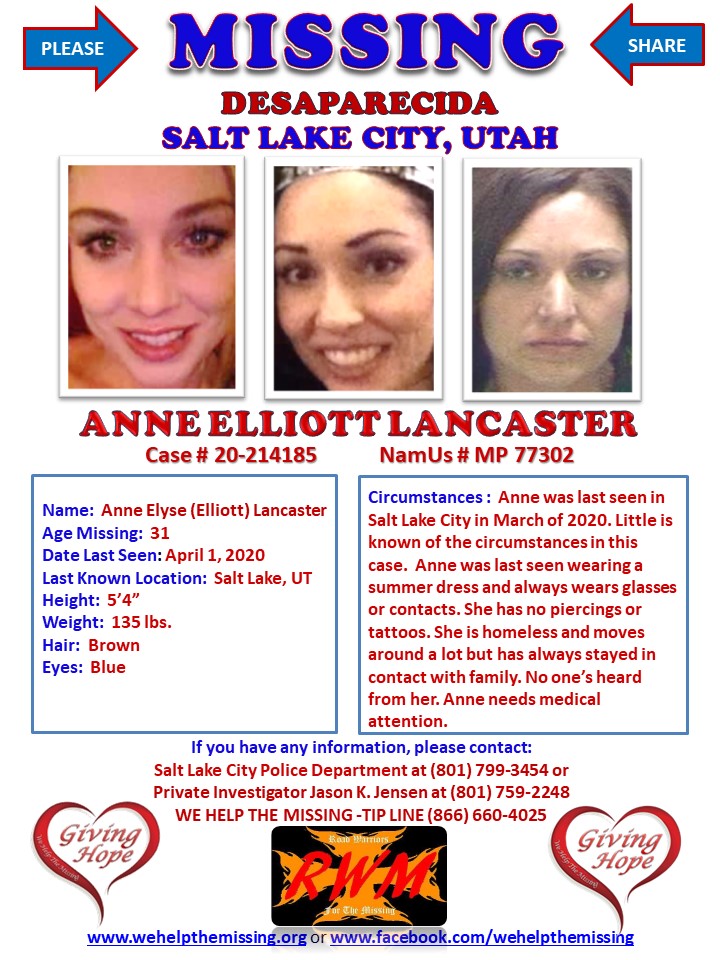
Emily Nardacci was one of the first to hear. When your sister is missing, you develop a radar for every headline, every police update, every whisper of an unidentified body. Anne Elliott disappeared from Salt Lake City nearly five years ago. She was 37 years old. The last time anyone saw her was near 2100 South and 500 East, walking away from the life she was trying so hard to fix.

The pond now swarming with law enforcement and search crews is just six miles from where Anne vanished.

Emily has learned to manage her expectations. Sheโ€™s practiced at it. But the weight of this possibility presses in from both sides. Thereโ€™s dread and thereโ€™s longing. She doesnโ€™t want this to be Anne. And at the same time, sheโ€™s desperate for something to break the silence.

Anne wasnโ€™t just another name on a flyer. She was born and raised in Douglas, Wyoming. She was fiercely intelligent and tenderhearted. She struggled, like many do, with addiction and trauma. She was also a mother. A sister. A friend. She mattered. And when she disappeared on May 5, 2020, she didnโ€™t take her keys or her phone. She simply vanished.

The search turned up nothing. No security footage. No credit card activity. No confirmed sightings. Her family has spent years trying to keep her name alive. Theyโ€™ve spoken to the media, pleaded with the public, lit candles, and cried through birthdays and holidays.

Now, this discovery is too close to ignore.

And Emily isnโ€™t the only one holding her breath.

Marilyn Stevenson has lived this nightmare since 2017. Her son, Justin Hooiman, disappeared from Salt Lake City without a trace. He was 31. Funny, loyal, and quick with a smile that could cut through the worst day. He had a past too. Run-ins with the law. Addiction. Ongoing struggles. But he called his mom regularly. He checked in. He always came home.

Until he didnโ€™t.

Marilyn has never stopped looking. She keeps boxes of flyers in her car and photos in her purse. She checks unidentified remains databases the way others check the weather. The discovery in the pond brought the grief back to the surface.

Every time a body is found, someone receives an answer. At the same time, someone else receives an ending.

Just one day after the remains were found in West Valley City, another discovery was made. This time, it was a black trash bag dumped along a rural road near Brigham City, about 60 miles north. Inside was a woman. Still unidentified. Reddish-brown hair. A small heart tattoo on her left bicep.

The bag had been there long enough to blend into the brush. Long enough to be overlooked, until someone finally noticed.

Investigators have not said whether the two cases are connected. But for families of the missing, the timing is impossible to ignore. Two women. Two days. Two sets of remains. Utah holds more than its share of missing persons. Cold cases rarely stay cold forever.

Eventually, the ground returns what it has been holding.

The Utah Office of the Medical Examiner is working to identify the remains. DNA testing is in progress. But results take time. Weeks, sometimes months. And for the people waiting on the other end of that call, time moves slowly and sharply.

Emily doesnโ€™t know what outcome she wants. Neither does Marilyn. Closure is a myth they stopped believing in a long time ago. Nothing makes it whole again. There is only knowing or not knowing. Most days, they live somewhere in between.

One of the hardest parts is how easily these stories are overlooked. Anne Elliott wasnโ€™t a stranger from a headline. She was from Wyoming. From the same kind of place that raises cattle and kids and women who will burn the world down for their families. Justin Hooiman wasnโ€™t a statistic. He had people who loved him. People who still do. People who miss him every day.

And the woman in the trash bag? She belonged to someone too. Maybe someone who has been searching for her. Maybe someone who still doesnโ€™t know sheโ€™s gone.

This isnโ€™t just another news story. Itโ€™s a collection of unfinished lives. There are names we donโ€™t know yet. There are people who went missing, and others who never stopped waiting.

The names of the people in the pond and in the bag are still unknown. But they mattered. They were loved. And someone out there remembers them. Someone knows what happened.

Now we wait. With the mothers. With the sisters. With the silence.

These are not just remains. They are people. They are stories. And they deserve to be brought home.

xoxo
-S

As an amateur true crime writer, I strive to provide accurate and well-researched information. However, please be aware that I am not a professional investigator or journalist, and my work is based on available sources and my understanding of the case. There may be inaccuracies or incomplete details in my posts. I encourage readers to seek out additional sources and verify information from official and professional channels. Thank you for your understanding and support.
The Vanishing of Brandon Swanson

A Night that Haunts Minnesota

In the quiet hours of May 14, 2008, a young man named Brandon Swanson disappeared into the rural Minnesota night, leaving behind a haunting mystery that has kept his family and the small town of Marshall searching for answers ever since. Brandon had just finished his first year at Minnesota West Community and Technical College. That night, he was celebrating with friends, likely looking forward to the next chapter of his life. But in a matter of hours, his future and the certainty of his last moments vanished along with him.

The 911 Call That Set Everything in Motion

Just after 2 a.m., Brandonโ€™s car slid off the gravel road near the town of Lynd, about 10 miles from his home. Stranded but unshaken, he called his parents for help. Annette and Brian Swanson, hearing the stress in their sonโ€™s voice, jumped in their car without hesitation, heading toward where Brandon thought he was. Darkness and the quiet of the countryside added an eerie edge to Brandonโ€™s calm directions as he tried to guide his parents by phone.

What stands out is how collected Brandon was, even after what must have been a jarring moment. He described his surroundings, pointing out the faint glow of what he thought were the lights of a nearby town. Annette and Brian were on the line with him for over 40 minutes, but as they neared where Brandon should have been, they saw no car. Suddenly, a short gasp interrupted Brandonโ€™s calm instructions, followed by dead silence. The call dropped, and with it, any trace of Brandon.

A Search That Uncovered Only More Mystery

The following day, an exhaustive search began. But as volunteers and authorities combed the area, it became clear that things werenโ€™t adding up. When they eventually located Brandonโ€™s car, it was in Taunton, nearly 25 miles away from where heโ€™d said he was. How could Brandon have been so certain about his location but be so far off?

Sniffer dogs managed to trace his scent to the Yellow Medicine River. For a time, the working theory was that he had wandered, disoriented, and accidentally fallen into the river. But the river was shallow at that time of year, and search divers came up empty-handed. Not a single item, a shoe, his phone, his wallet, was ever found in or near the water. The search expanded, volunteers combed nearby fields and gravel pits, but still, Brandon seemed to have disappeared without a trace.

Theories, Rumors, and a Haunting Legacy of Questions

In the absence of evidence, theories about what happened to Brandon that night have multiplied. The most common is that he fell into the river and drowned, his body carried away by the current. Others believe he might have been injured and lost his sense of direction, eventually collapsing somewhere too hidden for searchers to see. But the chilling lack of evidence, no personal belongings, no tracks, and no remains, has left many wondering if there might be more to the story.

Thereโ€™s also the deeply unsettling possibility of foul play. Though there was no indication Brandon was involved in any trouble, the notion that someone may have taken advantage of his vulnerable, stranded state lingers in some minds. Another theory considers whether Brandon could have been experiencing personal stress that caused him to wander farther than intended, though his friends and family maintain that Brandon was a stable, reliable person. The only certainty in Brandonโ€™s disappearance seems to be that it remains profoundly unresolved.

Brandonโ€™s Law: A Legacy of Vigilance

For Annette and Brian Swanson, Brandonโ€™s absence has been an unfathomable loss, one they have channeled into action. After enduring delays and setbacks in the initial search efforts, they worked tirelessly to enact Brandonโ€™s Law in Minnesota. Signed in 2009, this law mandates that police take all missing person cases seriously, regardless of the individualโ€™s age or perceived level of risk. It was a critical change, ensuring that families like the Swansons never have to feel as though their missing loved one isnโ€™t worth searching for immediately.

For the Swansons, Brandonโ€™s Law is a way to make sure Brandonโ€™s memory makes an impact, even if he canโ€™t be there to see it. The law serves as a small light in the darkness that has surrounded Brandonโ€™s case, one that may prevent other families from experiencing the same agonizing uncertainties.

A Case that Stays in the Shadows

Over 15 years later, Brandonโ€™s disappearance remains unsolved, a haunting mystery in Minnesotaโ€™s history. His parents, community, and those who follow his story continue to hope for closure. While Brandonโ€™s Law offers a lasting legacy, the answers they seek, the ones that might finally bring them peace, remain just out of reach.

Brandonโ€™s story serves as a reminder of how quickly a life can vanish and how the unknown can linger, even in a place as close-knit and quiet as Marshall, Minnesota. Perhaps one day, a clue will surface, and the shadows that cloud that night in May will part. Until then, Brandonโ€™s disappearance is a story that reminds us all to hold our loved ones close and to always be vigilant for the missing voices that still need to be heard.

Hug your family tonight.
xoxo
-S

As an amateur true crime writer, I strive to provide accurate and well-researched information. However, please be aware that I am not a professional investigator or journalist, and my work is based on available sources and my understanding of the case. There may be inaccuracies or incomplete details in my posts. I encourage readers to seek out additional sources and verify information from official and professional channels. Thank you for your understanding and support.

The Lake Bodom Murders: Finlandโ€™s Most Infamous Cold Case

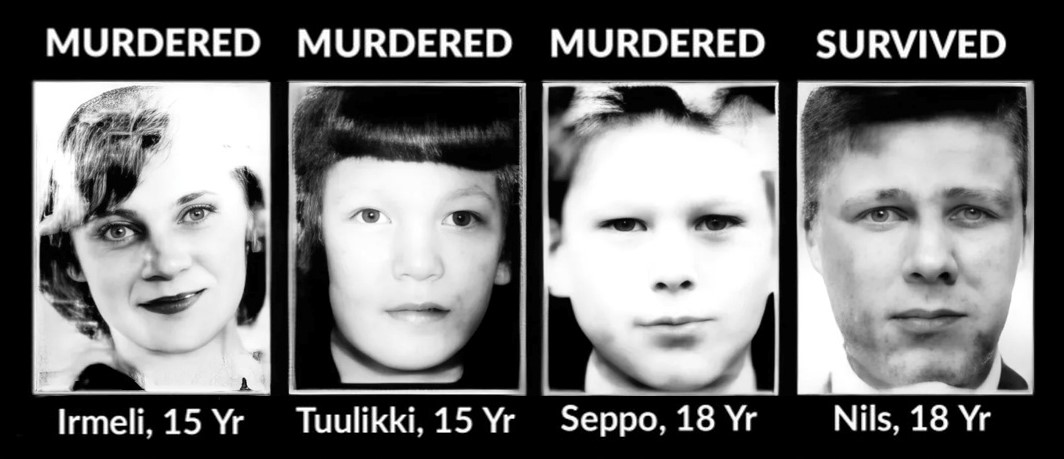
On the night of June 4, 1960, four teenagersโ€”Maila Irmeli Bjรถrklund, Anja Tuulikki Mรคki, Seppo Antero Boisman, and Nils Wilhelm Gustafssonโ€”pitched a tent on the serene shores of Lake Bodom in Finland for what was meant to be an overnight camping trip. But the peaceful night turned into a nightmarish mystery that continues to haunt the country. By morning, three of the teenagers were dead, their bodies brutally mutilated. The lone survivor, Nils Gustafsson, was found severely injured, and more than six decades later, the mystery of who committed these murders still lingers.

The Gruesome Discovery

On June 5, 1960, a birdwatcher, Esko Oiva Johansson, stumbled upon a chaotic and grisly scene. The teenagersโ€™ tent had been savagely slashed from the outside. Inside were the lifeless bodies of 15-year-old girls Maila and Anja, along with 18-year-old Seppo. All three had been stabbed repeatedly and struck with a blunt object. Blood soaked the tent, and the violence of the attack was staggering. Nils Gustafsson, the only survivor, was found lying outside the tent, unconscious, with a broken jaw, bruises, and a concussion.

Though Nils had survived, his injuries were substantial, leaving him dazed and his recollection fragmented. He would later claim that he could not remember the attack, fueling speculation that his trauma had left him unable to identify the killerโ€”or worse, that he had something to hide.

An Investigation Clouded by Errors

As is tragically common in cases from this era, the investigation into the Lake Bodom murders was riddled with mistakes. Police arrived at the scene and, by modern standards, mishandled crucial evidence. Passersby and curious locals were allowed to wander through the site, potentially contaminating it. Key items, including some of the victimsโ€™ clothing, were missing, and the murder weaponsโ€”a knife and a blunt objectโ€”were never found.

Early in the investigation, Nils Gustafsson was treated more as a victim than a suspect. He was hospitalized for his injuries, and though some of his statements were inconsistent, they were attributed to the trauma of the event. Despite extensive searches and questioning of nearby witnesses, police were unable to come up with a concrete suspect. One witness reported seeing a mysterious blonde man walking away from the campsite around the time of the murders, but this lead never panned out.

A Decades-Old Cold Case Reopened

The case remained cold for over 40 years until, in 2004, Finnish police reopened the investigation. This time, Nils Gustafsson found himself at the center of the inquiryโ€”not as a victim but as the prime suspect. Investigators believed that a violent altercation between Gustafsson and Seppo Boisman had escalated into a full-blown massacre, with Gustafsson allegedly attacking his companions in a fit of jealous rage, possibly fueled by alcohol. The theory was that after killing his friends, Gustafsson staged his own injuries to appear as though he had been a victim, too.

Despite this dramatic accusation, many doubted Gustafsson’s guilt. His injuries were extensive, and it seemed improbable that he could have inflicted such trauma on himself. In 2005, after a high-profile trial, Gustafsson was acquitted due to lack of evidence. Though the trial reignited public interest, it also highlighted the complexities and frustrations of the case, as no new suspects emerged, and the mystery remained unresolved.

Theories Abound

With so little hard evidence, the Lake Bodom murders have spawned a host of theoriesโ€”some more plausible than others. Over the years, investigators, journalists, and amateur sleuths alike have attempted to unravel the truth behind the killings.

  1. The Kiosk Keeper: A local kiosk worker was one of the last people to see the teenagers alive. He had a reputation for being argumentative and was briefly considered a suspect. However, no substantial evidence tied him to the crime, and he was soon dismissed as a serious suspect.
  2. Pentti Soininen: This violent criminal, who was imprisoned at the time of the investigation, reportedly confessed to the murders before his death. However, his confession was inconsistent, and some of the details didnโ€™t align with the facts of the case. Additionally, Soininen had a documented history of mental illness, making it difficult to trust his account.
  3. The German Spy Theory: A particularly compelling theory suggests that a former German soldier, who had been hiding in Finland after World War II, may have been responsible. Itโ€™s believed that this man, living under an assumed identity, was in the vicinity at the time of the murders. Some speculate that he could have been a fugitive or was involved in espionage activities, adding a cloak-and-dagger element to the case. This theory gained traction over the years but ultimately faded as investigators failed to conclusively link him to the crime.
  4. Random Attack by an Unknown Assailant: Others believe the murders were the result of a random act of violence. Some theorize that a mentally unstable individual or a passing killer stumbled upon the campsite and committed the heinous acts without any personal motive. The randomness of the murdersโ€”especially given the isolated location and the brutality of the attackโ€”fuels this theory. However, the killerโ€™s ability to avoid capture for so long also raises questions.

The Legacy of the Lake Bodom Murders

To this day, the Lake Bodom murders loom large in the Finnish national consciousness. The case is more than just an unsolved crimeโ€”itโ€™s a dark, tragic chapter that refuses to close. Over the years, it has inspired countless books, films, and even horror stories, casting a long shadow over Lake Bodom itself. A place once known for its natural beauty is now remembered as the scene of a horrifying, violent act that defied explanation.

For the families of the victims, the lack of closure is devastating. Despite new forensic methods and technology, the Lake Bodom case remains cold, with each passing year making it less likely that the truth will ever be fully uncovered. And yet, the case continues to attract attention from true crime enthusiasts, amateur detectives, and the Finnish public, all hoping that one day, the mystery will finally be solved.

What Do You Think?

Theories about the Lake Bodom murders abound, and the caseโ€™s notoriety has only fueled more speculation. Do you think Nils Gustafsson was the killer, or was he just another victim? Was it a random, unprovoked attack? Or does the German spy theory hold the key to unraveling this mystery?

Share your thoughts in the comments belowโ€”whatโ€™s your theory? If you think youโ€™ve found a clue or angle that others have missed, letโ€™s hear it! After all, this cold case might still have secrets waiting to be uncovered.


This case is quite harrowing. I appreciate your willingness to read these cases and follow along with me as I research and report. Hug your family tonight and take great care the next time you go camping.

xoxo
-S


Sources:

  • Police reports from 1960 and trial documents from Nils Gustafssonโ€™s acquittal in 2005.
  • Finnish news archives and investigative reports from various media outlets.
  • Speculative theories from true crime books and articles surrounding the Lake Bodom murders.

As an amateur true crime writer, I strive to provide accurate and well-researched information. However, please be aware that I am not a professional investigator or journalist, and my work is based on available sources and my understanding of the case. There may be inaccuracies or incomplete details in my posts. I encourage readers to seek out additional sources and verify information from official and professional channels. Thank you for your understanding and support.

The Mysterious Disappearance of Michael Ficery

In the vast, untamed wilderness of Yosemite National Park, natureโ€™s beauty and danger coexist in a delicate balance. For many, it’s a place of solace and adventure. But for Michael Ficery, it became the backdrop of a mystery that remains unsolved. This true crime post delves into the puzzling case of Michael Ficery, whose disappearance continues to baffle investigators and haunt those who loved him.

Who Was Michael Ficery?

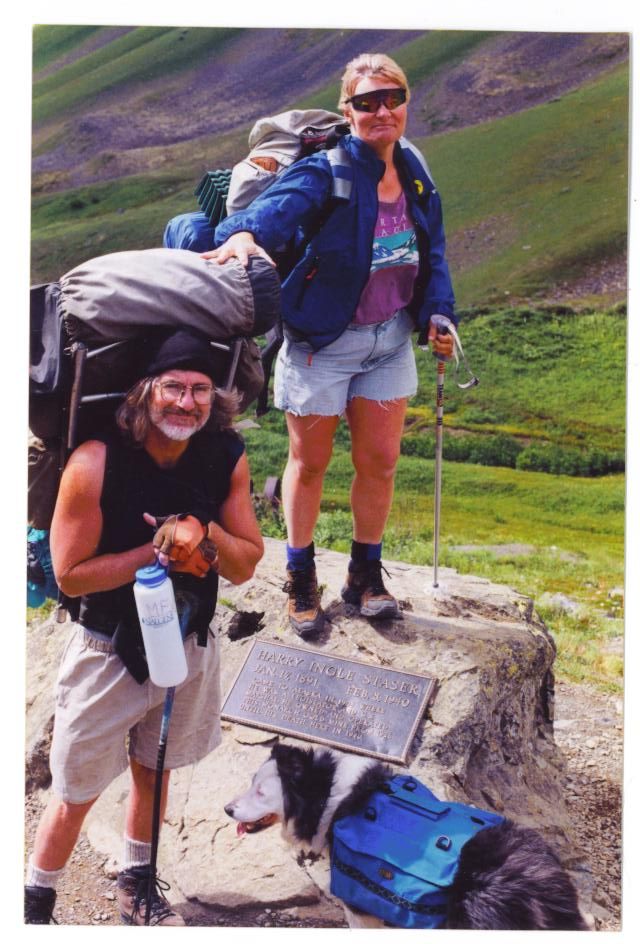
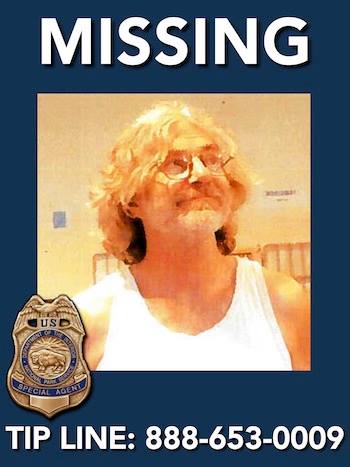
Michael Ficery, a 51-year-old adventurer from San Francisco, was no stranger to the wild. Known for his love of the outdoors, Michael often embarked on solo hikes, finding peace and challenge in natureโ€™s embrace. His experience and meticulous planning made him a seasoned hiker, someone who understood the risks and how to navigate them.

The Fateful Hike

On June 15, 2005, Michael set out on what was supposed to be a five-day solo backpacking trip in the rugged terrain of Yosemite National Park. He planned to explore the remote areas around the Snow Creek trail, a less-traveled path known for its stunning vistas and challenging routes. Michael was well-prepared, carrying enough supplies, a detailed itinerary, and a promise to check in regularly with his loved ones.

The Vanishing Act

When Michael failed to return home as scheduled, his family grew concerned and alerted park authorities. A search was launched immediately, involving park rangers, search and rescue teams, and volunteers. The vastness of Yosemite, with its dense forests, deep valleys, and towering cliffs, made the search daunting. Helicopters scanned the area from above, while ground teams scoured every conceivable path Michael might have taken.

Despite their exhaustive efforts, the search teams found no trace of Michael Ficery. His tent, gear, and personal belongings were never discovered. It was as if he had vanished into thin air, leaving behind no clues, no leads, and no answers.

Theories and Speculations

The disappearance of Michael Ficery has sparked numerous theories. Some believe he might have fallen victim to the treacherous terrainโ€”perhaps slipping into a hidden crevasse or being swept away by a sudden, powerful stream. Others speculate that he may have encountered foul play, though no evidence has ever supported this claim.

Another theory suggests that Michael, an experienced and introspective hiker, might have chosen to disappear intentionally, seeking an ultimate escape in the wild. However, those who knew him best argue against this, citing his close relationships and responsible nature.

The Ongoing Mystery

Nearly two decades have passed since Michael Ficeryโ€™s disappearance, yet the case remains open. Yosemite National Park continues to be a place of both awe and danger, reminding visitors of the unforgiving power of nature. Michaelโ€™s family and friends hold on to the hope that someday, the mystery will be solved, and they can find closure.


The disappearance of Michael Ficery is a sobering reminder of how quickly and completely someone can vanish, even in an era of advanced technology and coordinated search efforts. Itโ€™s a case that underscores the unpredictable and often perilous beauty of nature. As we remember Michael Ficery, we also honor the spirit of adventure that drives so many to explore the unknown, even when it carries the risk of becoming a part of the very mysteries we seek to unravel.


If anyone has any information regarding the disappearance of Michael Ficery or believes they may have relevant details, they should contact the Yosemite National Park Service or local law enforcement authorities immediately. Yosemite National Park’s non-emergency dispatch number is (209) 372-0200. For emergencies, always dial 911. Providing any information, even seemingly minor details, could potentially aid in solving this enduring mystery and bringing closure to Michael Ficery’s loved ones.

xoxo
-S

This case is older and as such it was difficult to find many pictures.


As an amateur true crime writer, I strive to provide accurate and well-researched information. However, please be aware that I am not a professional investigator or journalist, and my work is based on available sources and my understanding of the case. There may be inaccuracies or incomplete details in my posts. I encourage readers to seek out additional sources and verify information from official and professional channels. Thank you for your understanding and support.

The Vanishing of Brian Shaffer: A Mystery That Echoes Through Time

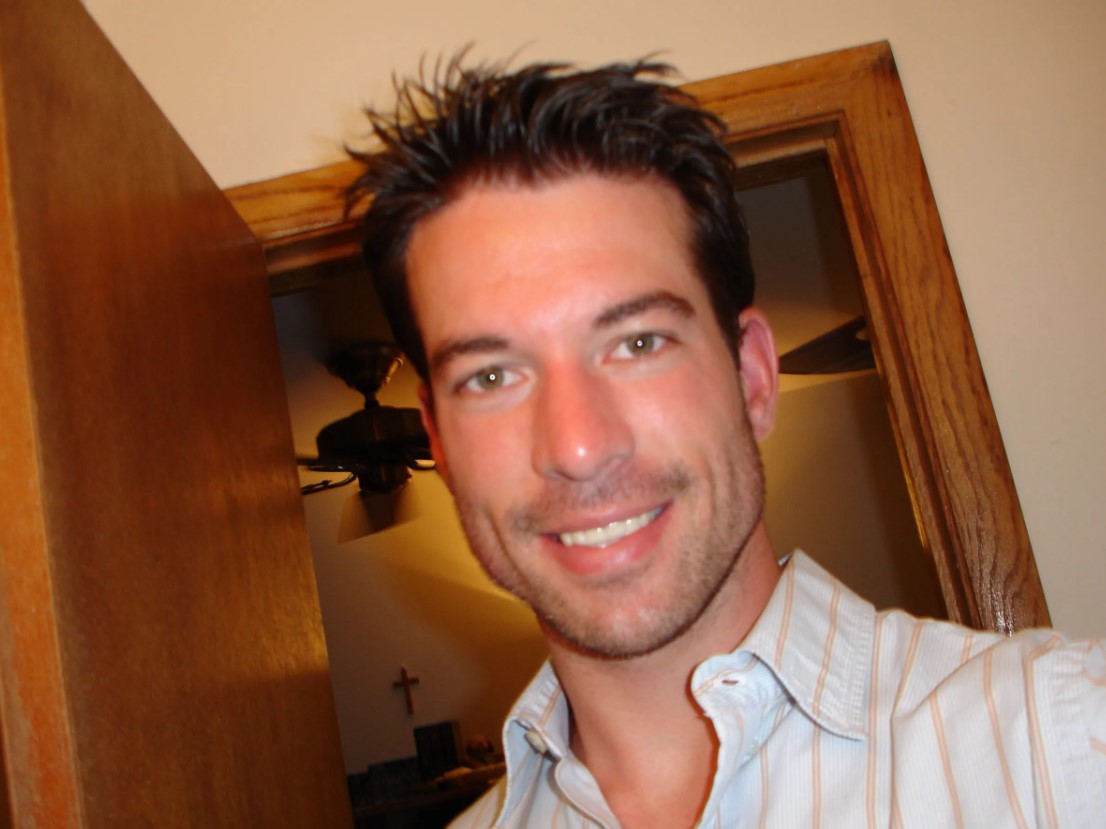
In the heart of Columbus, Ohio, a perplexing disappearance continues to baffle both investigators and the community alike. Brian Shaffer, a 27-year-old medical student at Ohio State University, vanished without a trace during a night out with friends on March 31, 2006. What began as a routine evening among friends soon transformed into one of the city’s most enduring mysteries, marked by unanswered questions, elusive clues, and a lingering hope for resolution.

The Night of Disappearance

Brian Shaffer was last seen on surveillance footage entering the Ugly Tuna Saloona, a popular bar near the Ohio State University campus, around 1:15 AM. He had been out celebrating the start of spring break with friends. However, despite numerous cameras capturing entrances and exits, there was no footage of Brian leaving the bar that night. It was as if he had simply vanished into thin air.

Initial Investigations

When Brian failed to meet his girlfriend the following day as planned and missed his flight to Miami for a vacation, concern quickly escalated. His friends and family reported him missing, sparking an intensive search effort by local law enforcement. Investigators reviewed hours of surveillance footage, interviewed witnesses, and combed through the bar and surrounding areas for any sign of Brian.

The Mysterious Disappearance

One of the most puzzling aspects of Brian’s disappearance was the lack of any trace or clue indicating where he might have gone. Despite extensive searches of nearby rivers and construction sites, no evidence of foul play or voluntary disappearance emerged. His cell phone and credit cards have not been used since the night he vanished, adding to the mystery surrounding his fate.

Theories and Speculation

Over the years, various theories have emerged to explain Brian Shaffer’s disappearance. Some believe he may have met with foul play inside the bar or encountered an unfortunate accident. Others speculate that he intentionally chose to disappear and start a new life elsewhere. With no conclusive evidence pointing to any particular theory, speculation continues to swirl within the Columbus community and beyond.

The Impact on Loved Ones

For Brian’s family and friends, the passage of time has only deepened the anguish and uncertainty surrounding his disappearance. Anniversaries pass with renewed appeals for information, candlelight vigils, and persistent efforts to keep his story alive in the hope that someone, somewhere, holds the key to unlocking the mystery of what happened that fateful night.

Continued Efforts and Hope

Despite the passage of over a decade since Brian Shaffer’s disappearance, the case remains open and active. Law enforcement periodically revisits leads and appeals to the public for any information that could provide a breakthrough. The search for Brian continues to be a testament to the resilience of those who refuse to give up hope for answers.

Community Response and Support

The disappearance of Brian Shaffer has deeply affected the Columbus community, sparking a wave of solidarity and concern. Local organizations and volunteers have dedicated countless hours to raising awareness and maintaining public interest in the case. Fundraisers, awareness campaigns, and social media initiatives have all played a role in keeping Brian’s story alive and urging anyone with information to come forward.

How You Can Help

If you have any information regarding the disappearance of Brian Shaffer, no matter how insignificant it may seem, please contact the Columbus Police Department at (614) 645-4545 or the Central Ohio Crime Stoppers at (614) 461-TIPS (8477). Any detail, no matter how small, could be crucial in finally bringing answers to Brian’s family and loved ones.

Conclusion

The disappearance of Brian Shaffer stands as a stark reminder of the mysteries that can grip communities and defy easy resolution. As time marches on, his story serves as a poignant call for vigilance and compassion, urging us to remember those who have vanished without a trace and to continue seeking justice and closure for their loved ones.

Author’s Note

The case of Brian Shaffer continues to resonate with those familiar with the details of his disappearance. As we reflect on his story, may we remain vigilant in our efforts to uncover the truth and support the families and communities affected by such enduring mysteries.

What are your thoughts? There’s so much more to this case… Would you like me to cover this in further detail on YouTube?

xoxo
-S


As an amateur true crime writer, I strive to provide accurate and well-researched information. However, please be aware that I am not a professional investigator or journalist, and my work is based on available sources and my understanding of the case. There may be inaccuracies or incomplete details in my posts. I encourage readers to seek out additional sources and verify information from official and professional channels. Thank you for your understanding and support.

The Disappearance of Maura Murray: A Mystery That Still Haunts

I have a great affinity for true crime, not only for entertainment but also because it’s important to know these things, recognize predators, and not forget the victims. I have been wanting to write about true crime cases for a few years now, and with some research put together, I figured now is as good a time as any to start. Let me know if you’d like me to go into further depth on YouTube.


On a cold February night in 2004, 21-year-old Maura Murray, a nursing student at the University of Massachusetts Amherst, vanished after her car skidded off the road in rural New Hampshire. Her disappearance has since become one of the most perplexing and widely discussed cases in true crime history, baffling investigators and spawning countless theories.

The Night of the Disappearance

On February 9, 2004, Maura left her dormitory, telling professors she had a family emergency. She packed her car with clothes, textbooks, and personal items, then headed north on Interstate 91. At around 7:27 PM, she lost control of her black Saturn on a sharp curve on Route 112 in Haverhill, New Hampshire. A local resident, Faith Westman, heard the crash and called 911 at 7:29 PM.

When police arrived at the scene at 7:46 PM, they found Mauraโ€™s car abandoned. The airbags had deployed, and the car was locked. Inside, officers discovered a box of wine on the rear seat and an empty beer bottle. Maura was nowhere to be found. There was no sign of struggle, but footprints leading away from the car indicated she had left on foot.

The Initial Investigation

The initial search for Maura included police dogs, helicopters, and thermal imaging cameras, but there was no trace of her. Investigators canvassed the area, questioning neighbors and passing motorists, but no one had seen or heard anything unusual.

The lack of evidence and the circumstances surrounding Maura’s disappearance led to various theories. Some speculated she had succumbed to the harsh winter elements, while others believed she had been abducted. However, no conclusive evidence emerged to support either theory.

Unraveling the Mysteries

As the investigation continued, several puzzling details came to light:

  1. Mauraโ€™s Recent Behavior: In the days leading up to her disappearance, Maura’s behavior had been erratic. She had crashed her father’s car two days earlier and had been visibly upset. Additionally, she had withdrawn $280 from her bank account and purchased a large amount of alcohol. Friends and family noted that she seemed unusually stressed and possibly dealing with personal issues she had kept private.
  2. Cryptic Emails and Calls: On the day she disappeared, Maura emailed her professors and her work supervisor, informing them of a family emergency. However, no such emergency existed. She also made a series of calls to rental properties in New Hampshire and Vermont, suggesting she was planning to travel. This has led to speculation that she might have been seeking a place to stay for reasons unknown.
  3. Unanswered Questions: Why did Maura head to New Hampshire? Was she meeting someone, or was she trying to escape something? The answers remain elusive. Some speculate that Maura was heading to a familiar location or meeting someone she trusted, though no evidence has confirmed these theories.

Theories and Speculations

The absence of clear evidence has fueled numerous theories:

  • Voluntary Disappearance: Some believe Maura intentionally vanished to start a new life. Her packed belongings and the money withdrawal suggest she might have been planning a getaway. Proponents of this theory argue that Maura might have been overwhelmed by personal issues and decided to leave everything behind.
  • Foul Play: Others argue she fell victim to foul play. The remote area, coupled with the fact that she was alone and possibly disoriented, makes this theory plausible. Some speculate she might have encountered a dangerous individual after leaving her car, leading to her disappearance.
  • Accidental Death: There is also the possibility that Maura succumbed to the elements and her body was never found. However, extensive searches of the surrounding woods yielded no clues. This theory suggests she might have wandered into the wilderness, succumbed to hypothermia, and her remains have yet to be discovered due to the dense terrain and changing seasons.

Continuing the Search

Mauraโ€™s family has never given up hope. Her father, Fred Murray, has been a vocal advocate, tirelessly working to keep her case in the public eye. Over the years, numerous searches and investigations have been conducted, but Maura remains missing.

In 2019, authorities conducted a fresh search based on new leads, but once again, came up empty-handed. The advent of social media and true crime podcasts has rekindled interest in her case, bringing new attention and potential clues. Online communities dedicated to solving Maura’s case have sprung up, with amateur sleuths and former law enforcement officers collaborating to piece together new leads and revisit old evidence.

New Developments and Leads

Despite the passage of time, new developments continue to surface. In 2017, the Oxygen network released a six-part documentary series, “The Disappearance of Maura Murray,” which brought renewed attention to the case. The series explored various theories, re-examined evidence, and highlighted the emotional toll on Maura’s family.

In 2021, the New Hampshire Cold Case Unit announced they had received new tips, prompting additional searches in the area. Ground-penetrating radar was used to scan areas of interest, and cadaver dogs were brought in to assist. While these efforts have yet to yield definitive results, they demonstrate the ongoing commitment to finding answers.

The Role of Digital Detectives

The internet has played a significant role in keeping Maura’s case alive. True crime forums, podcasts, and YouTube channels dedicated to her disappearance have amassed large followings. These digital detectives scrutinize every detail, share theories, and sometimes even uncover new information that could aid the investigation.

One notable contribution came from James Renner, a journalist and author who has extensively researched Maura’s case. His book, “True Crime Addict: How I Lost Myself in the Mysterious Disappearance of Maura Murray,” delves into the complexities of the investigation and offers his insights and theories. Renner’s work has sparked both support and controversy, but it has undeniably kept Maura’s story in the public consciousness.

The Impact on Maura’s Family

For Maura’s family, the pain of her disappearance is compounded by the lack of closure. Fred Murray has been relentless in his pursuit of answers, often criticizing law enforcement for what he perceives as a lack of urgency and transparency in the investigation. The emotional toll on the Murray family is evident, as they navigate the limbo of not knowing what happened to their beloved daughter and sister.

Fred’s dedication has led to several lawsuits aimed at obtaining more information from the police and other agencies. He has also conducted his own searches and hired private investigators in an attempt to find new leads. Despite these efforts, Maura’s fate remains a mystery, and her family’s grief continues to be a poignant reminder of the human cost of unresolved cases.

The Legacy of Maura Murray

The disappearance of Maura Murray remains an open case, one that has captivated and frustrated investigators and true crime enthusiasts alike. Her story is a haunting reminder of the many missing persons cases that remain unsolved, and the enduring hope that one day, the truth will be uncovered.

As we reflect on Maura’s case, we are reminded of the importance of community vigilance, the relentless pursuit of justice, and the hope that one day, every missing person will be found. Until then, Maura’s story continues to be a poignant chapter in the annals of true crime, a mystery that refuses to fade away.

Conclusion

Maura Murray’s disappearance is a complex, multifaceted case that defies easy explanation. Theories abound, but concrete evidence remains elusive. The dedication of her family, the interest of the true crime community, and the efforts of law enforcement ensure that the search for answers continues. As new developments emerge and the story is revisited, the hope persists that one day, Maura’s fate will be uncovered, providing closure to her family and the many who have been touched by her story.


If you have any information about the disappearance of Maura Murray, please contact the New Hampshire State Police or the FBI. Every piece of information, no matter how small, could be crucial in solving this case.


Stay safe out there.

xoxo
-S


As an amateur true crime writer, I strive to provide accurate and well-researched information. However, please be aware that I am not a professional investigator or journalist, and my work is based on available sources and my understanding of the case. There may be inaccuracies or incomplete details in my posts. I encourage readers to seek out additional sources and verify information from official and professional channels. Thank you for your understanding and support.