The Ultimate Cross-Training Program for Roller Derby

Hey Derby fam! Your Royal Thighness Scrapperella here, back with another edition of #DoItDerbyโ€”the series where we push boundaries, break limits, and level up our roller derby game. Whether you’re a jammer, blocker, or pivot, cross-training is essential to perform your best on the track. But with so many training options, it can be tough to know where to start.

Iโ€™ve been researching intense cross-training programs designed specifically for derby athletes (yep, thatโ€™s us), and Iโ€™m excited to share what Iโ€™ve put together!

This program is all about building power, endurance, agility, and flexibility to keep you fast, strong, and injury-free. Letโ€™s break it down:


The #DoItDerby Cross-Training Program

Day 1: Strength Training (Lower Body Focus)
Roller derby is all about explosive powerโ€”whether you’re pushing through the pack or making sharp turns on your skates. This workout will give your legs the strength to crush the track:

  • Squats: 4 sets of 10-12 reps
  • Deadlifts: 4 sets of 8-10 reps
  • Lunges: 3 sets of 12 reps per leg
  • Glute Bridges: 3 sets of 15 reps
    Bonus: Your booty will thank you!

Day 2: Agility & Plyometrics
Weโ€™ve all had that moment when we need to dodge a hit or sprint to close a gap. Plyo exercises will keep you light on your feet and ready for any move:

  • Lateral Bounds: 3 sets of 20 reps
  • Box Jumps: 4 sets of 8 reps
  • Skater Lunges: 3 sets of 15 reps per leg
  • Sprint Intervals: 6 rounds of 30-second sprints, 30-second rest
    This is where you start to feel like a ninja on wheels.

Day 3: Endurance Training
You know the feelingโ€”it’s the last jam, and youโ€™re out of gas. This endurance workout will help you keep up that momentum, even when the game goes into overtime:

  • HIIT (High-Intensity Interval Training): 30-45 minutes of alternating between high- and low-intensity efforts.
    Or try a long-distance run or cycle to build that staying power.

Day 4: Core & Stability
A strong core is your secret weapon on the track. It gives you balance, power, and resilience against those nasty hits:

  • Planks: 3 sets of 45 seconds
  • Russian Twists: 4 sets of 20 reps per side
  • Dead Bugs: 3 sets of 12 reps
  • Medicine Ball Slams: 4 sets of 10 reps
    Stabilizing your core helps you hit harder and stay solid during gameplay.

Day 5: Upper Body Strength
Your legs do the heavy lifting, but letโ€™s not forget those arms. Whether it’s for blocking or bracing, your upper body needs strength too:

  • Push-ups: 4 sets of 10-12 reps
  • Bench Press: 4 sets of 8-10 reps
  • Overhead Shoulder Press: 3 sets of 8-10 reps
  • Triceps Dips: 3 sets of 12-15 reps
    Make your hits count and your blocks stronger with a killer upper body routine.

Day 6: Active Recovery/Restorative Yoga
Weโ€™ve got to keep our bodies flexible and mobile, so on Day 6, I recommend active recovery like yoga. Itโ€™ll improve your flexibility and help you recover from all that intense training.

  • Low-Impact Yoga Video: Focus on stretching those hamstrings, hips, and back. Trust me, your body will thank you on game day. I really enjoy Yoga with Bird and Yoga with Adriene on YouTube for any and all of my yoga desires.

Day 7: Rest or Skills Practice
Sometimes you need to listen to your body and take a full rest day, or if youโ€™re feeling up to it, hit the track for some light skills practice. Sharpening your footwork or perfecting your hits on a lighter day can make all the difference.


Why Cross-Training Matters in Roller Derby

Cross-training isnโ€™t just about looking fierce (though thatโ€™s always a bonus!). Itโ€™s about improving your game in all aspectsโ€”speed, strength, endurance, and mental toughness. It also helps prevent injuries, which is crucial when you’re out there hitting and being hit multiple times a game.

Personally, this program has made a huge difference in how I feel both on and off the track. My endurance is better, my hits are stronger, and Iโ€™ve been able to recover faster after tough games. Whether you’re just starting out or you’re a seasoned derby vet, cross-training will take your skills to the next level.


Ready to #DoItDerby?

I challenge you to give this cross-training program a try. Let me know how it goes, and donโ€™t forget to listen to your bodyโ€”progress takes time, but the results will come. Remember, youโ€™ve got the power to level up, on and off the track. Letโ€™s keep rolling strong!

#DoItDerby #CrossTraining #LevelUp

xoxo
-S

The Lake Bodom Murders: Finlandโ€™s Most Infamous Cold Case

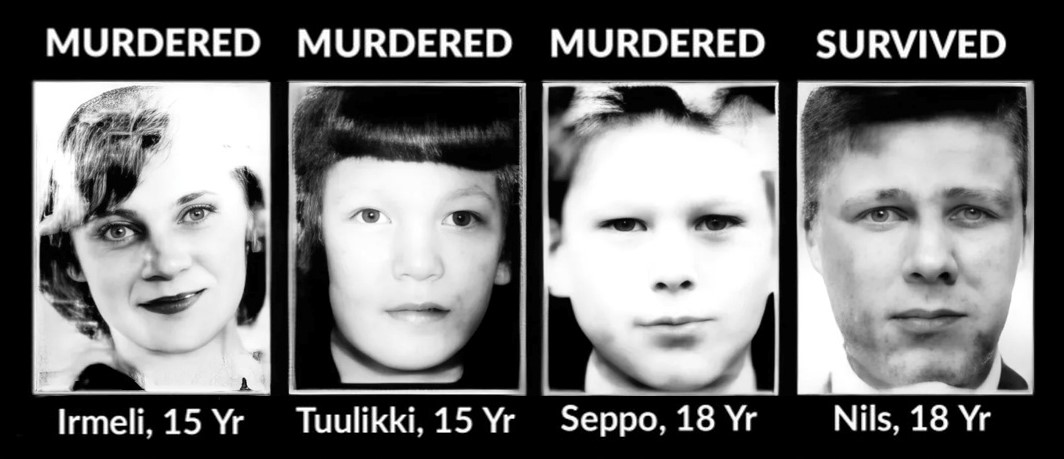
On the night of June 4, 1960, four teenagersโ€”Maila Irmeli Bjรถrklund, Anja Tuulikki Mรคki, Seppo Antero Boisman, and Nils Wilhelm Gustafssonโ€”pitched a tent on the serene shores of Lake Bodom in Finland for what was meant to be an overnight camping trip. But the peaceful night turned into a nightmarish mystery that continues to haunt the country. By morning, three of the teenagers were dead, their bodies brutally mutilated. The lone survivor, Nils Gustafsson, was found severely injured, and more than six decades later, the mystery of who committed these murders still lingers.

The Gruesome Discovery

On June 5, 1960, a birdwatcher, Esko Oiva Johansson, stumbled upon a chaotic and grisly scene. The teenagersโ€™ tent had been savagely slashed from the outside. Inside were the lifeless bodies of 15-year-old girls Maila and Anja, along with 18-year-old Seppo. All three had been stabbed repeatedly and struck with a blunt object. Blood soaked the tent, and the violence of the attack was staggering. Nils Gustafsson, the only survivor, was found lying outside the tent, unconscious, with a broken jaw, bruises, and a concussion.

Though Nils had survived, his injuries were substantial, leaving him dazed and his recollection fragmented. He would later claim that he could not remember the attack, fueling speculation that his trauma had left him unable to identify the killerโ€”or worse, that he had something to hide.

An Investigation Clouded by Errors

As is tragically common in cases from this era, the investigation into the Lake Bodom murders was riddled with mistakes. Police arrived at the scene and, by modern standards, mishandled crucial evidence. Passersby and curious locals were allowed to wander through the site, potentially contaminating it. Key items, including some of the victimsโ€™ clothing, were missing, and the murder weaponsโ€”a knife and a blunt objectโ€”were never found.

Early in the investigation, Nils Gustafsson was treated more as a victim than a suspect. He was hospitalized for his injuries, and though some of his statements were inconsistent, they were attributed to the trauma of the event. Despite extensive searches and questioning of nearby witnesses, police were unable to come up with a concrete suspect. One witness reported seeing a mysterious blonde man walking away from the campsite around the time of the murders, but this lead never panned out.

A Decades-Old Cold Case Reopened

The case remained cold for over 40 years until, in 2004, Finnish police reopened the investigation. This time, Nils Gustafsson found himself at the center of the inquiryโ€”not as a victim but as the prime suspect. Investigators believed that a violent altercation between Gustafsson and Seppo Boisman had escalated into a full-blown massacre, with Gustafsson allegedly attacking his companions in a fit of jealous rage, possibly fueled by alcohol. The theory was that after killing his friends, Gustafsson staged his own injuries to appear as though he had been a victim, too.

Despite this dramatic accusation, many doubted Gustafsson’s guilt. His injuries were extensive, and it seemed improbable that he could have inflicted such trauma on himself. In 2005, after a high-profile trial, Gustafsson was acquitted due to lack of evidence. Though the trial reignited public interest, it also highlighted the complexities and frustrations of the case, as no new suspects emerged, and the mystery remained unresolved.

Theories Abound

With so little hard evidence, the Lake Bodom murders have spawned a host of theoriesโ€”some more plausible than others. Over the years, investigators, journalists, and amateur sleuths alike have attempted to unravel the truth behind the killings.

  1. The Kiosk Keeper: A local kiosk worker was one of the last people to see the teenagers alive. He had a reputation for being argumentative and was briefly considered a suspect. However, no substantial evidence tied him to the crime, and he was soon dismissed as a serious suspect.
  2. Pentti Soininen: This violent criminal, who was imprisoned at the time of the investigation, reportedly confessed to the murders before his death. However, his confession was inconsistent, and some of the details didnโ€™t align with the facts of the case. Additionally, Soininen had a documented history of mental illness, making it difficult to trust his account.
  3. The German Spy Theory: A particularly compelling theory suggests that a former German soldier, who had been hiding in Finland after World War II, may have been responsible. Itโ€™s believed that this man, living under an assumed identity, was in the vicinity at the time of the murders. Some speculate that he could have been a fugitive or was involved in espionage activities, adding a cloak-and-dagger element to the case. This theory gained traction over the years but ultimately faded as investigators failed to conclusively link him to the crime.
  4. Random Attack by an Unknown Assailant: Others believe the murders were the result of a random act of violence. Some theorize that a mentally unstable individual or a passing killer stumbled upon the campsite and committed the heinous acts without any personal motive. The randomness of the murdersโ€”especially given the isolated location and the brutality of the attackโ€”fuels this theory. However, the killerโ€™s ability to avoid capture for so long also raises questions.

The Legacy of the Lake Bodom Murders

To this day, the Lake Bodom murders loom large in the Finnish national consciousness. The case is more than just an unsolved crimeโ€”itโ€™s a dark, tragic chapter that refuses to close. Over the years, it has inspired countless books, films, and even horror stories, casting a long shadow over Lake Bodom itself. A place once known for its natural beauty is now remembered as the scene of a horrifying, violent act that defied explanation.

For the families of the victims, the lack of closure is devastating. Despite new forensic methods and technology, the Lake Bodom case remains cold, with each passing year making it less likely that the truth will ever be fully uncovered. And yet, the case continues to attract attention from true crime enthusiasts, amateur detectives, and the Finnish public, all hoping that one day, the mystery will finally be solved.

What Do You Think?

Theories about the Lake Bodom murders abound, and the caseโ€™s notoriety has only fueled more speculation. Do you think Nils Gustafsson was the killer, or was he just another victim? Was it a random, unprovoked attack? Or does the German spy theory hold the key to unraveling this mystery?

Share your thoughts in the comments belowโ€”whatโ€™s your theory? If you think youโ€™ve found a clue or angle that others have missed, letโ€™s hear it! After all, this cold case might still have secrets waiting to be uncovered.


This case is quite harrowing. I appreciate your willingness to read these cases and follow along with me as I research and report. Hug your family tonight and take great care the next time you go camping.

xoxo
-S


Sources:

  • Police reports from 1960 and trial documents from Nils Gustafssonโ€™s acquittal in 2005.
  • Finnish news archives and investigative reports from various media outlets.
  • Speculative theories from true crime books and articles surrounding the Lake Bodom murders.

As an amateur true crime writer, I strive to provide accurate and well-researched information. However, please be aware that I am not a professional investigator or journalist, and my work is based on available sources and my understanding of the case. There may be inaccuracies or incomplete details in my posts. I encourage readers to seek out additional sources and verify information from official and professional channels. Thank you for your understanding and support.

Layered in Limbo: How to Capture Fall Vibes When Itโ€™s Still Warm

Thereโ€™s an unmistakable allure to the gradual transition from summer to fall. As the sunsets deepen into rich, golden hues and the leaves whisper of their impending change, the air begins to cool ever so slightly. Yet, we find ourselves in that familiar, frustrating limboโ€”caught between the urge to embrace the seasonโ€™s comforts and the reality of lingering summer heat. Fall beckons, but it hasnโ€™t fully arrived.

Right now, we teeter on the edge of cozy. The desire to shut off the AC and embrace fresh, crisp air is undeniable, but the reality of midday heat forces a quick reversal. It’s too warm for full-on autumn attire but too brisk to venture out without at least a light layer. Each morning becomes an exercise in sartorial strategyโ€”too many layers, and by noon, the heat has you regretting every choice; too few, and youโ€™re left exposed to the evening chill.

This in-between moment, however awkward, has its own charm. Fall whispers at the edges of the day, yet summer still clings, forcing us to oscillate between the two. But while the weather refuses to cooperate, the need for fall’s signature warmth persists. Rather than wait for the season to settle, Iโ€™ve found a way to immerse myself in fall’s charmโ€”without breaking a sweat.

Enter: YouTube fireplaces. These virtual hearths have become my secret weapon for crafting that elusive autumn atmosphere. In my office, Iโ€™ve taken to displaying cozy, crackling fires on my screen. The flames flicker, the logs hiss and pop, and suddenly, the room feels transformed. Itโ€™s a psychological shiftโ€”without the oppressive heat of a real fire, I create the illusion of coziness and autumnal festivity, even while the AC hums in the background.

Thereโ€™s something satisfyingly rebellious about itโ€”commanding the roomโ€™s mood, despite what the thermostat might suggest. The ambient warmth from the screen, paired with the unmistakable crackle of burning wood, fosters a sense of calm and focus. Itโ€™s as though Iโ€™ve transported myself to a cabin in the woods, surrounded by the quiet of a brisk fall evening, while the real world remains somewhere on the other side of the screen.

And it works. I light a fall-scented candle, or turn on some earthy essential oils, queue up the fireplace, and suddenly, my workspace adopts the very essence of autumn. The flames become a backdrop, a subtle yet powerful signal that the season is shifting, even if the weather lags behind. The steady rhythm of the burning logs adds a layer of focus to my workday, transforming mundane tasks into something softer, cozier. Itโ€™s not about pretendingโ€”itโ€™s about summoning the spirit of fall, no matter the temperature outside.

These virtual fireplaces aren’t just decoration; they offer a glimpse into the coziness we crave. They help bridge the gap between the lingering warmth of summer and the crisp coolness of fall that weโ€™re all anticipating. Soon enough, the weather will catch up, and Iโ€™ll swap my digital flames for the real thing. But for now, I craft my own version of autumnโ€”layering strategically, savoring the hint of fall in the air, and leaning into the cozy ambiance of a fire, even if itโ€™s just on my screen.

This time of year, itโ€™s not about waiting for the perfect moment to embrace the season. Itโ€™s about creating it, however possible. I choose to surround myself with the comfort of fallโ€”through crackling YouTube fireplaces, pumpkin-scented candles, and an unshakable sense that soon, the real autumn will arrive. Until then, Iโ€™ll continue layering, adjusting the AC, and savoring every moment of this in-between season. Because sometimes, a bit of imagination and a virtual fire are all you need to welcome fall before it fully arrives.

What I’m using today: (We even like to joke around the office that it warms the place up.) How are you welcoming fall?

xoxo
-S

The Evolution of Self: Letting Go of Old Dreams to Make Room for the New

We all grow up with dreams and ideals, those shining visions of who we thought weโ€™d become. Weโ€™re told to chase them relentlessly, to never give up. But what happens when the dreams that once fueled our every move no longer fit? What if the person weโ€™ve become no longer aligns with the person we thought we would be? Itโ€™s a question that can leave us feeling unmoored, teetering between the safety of familiarity and the unknown promise of something new.

Letting go of old dreams isnโ€™t easy. It can feel like betraying a part of ourselves, as if abandoning a loyal friend whoโ€™s been with us through thick and thin. But thereโ€™s a bittersweet beauty in this act of release, a necessary step in making room for whatโ€™s to come. Itโ€™s not about giving up; itโ€™s about evolving.

The Gentle Art of Letting Go

Thereโ€™s a quiet strength in acknowledging that the dreams we once held may no longer serve us. Maybe itโ€™s the career we envisioned, the relationship we thought would last forever, or the person we imagined weโ€™d be by now. These dreams were our compass, guiding us through the maze of life. But as we navigate the winding paths, we change. Our priorities shift, our values evolve, and the things that once sparked joy may no longer do so.

Itโ€™s okay to change. Itโ€™s okay to admit that youโ€™re not the person you thought youโ€™d be. Itโ€™s okay to say goodbye to the old dreams that no longer resonate with your heart. This isnโ€™t a failure; itโ€™s a sign of growth. Holding on too tightly to outdated visions can stifle your progress, trapping you in a past version of yourself.

The Power of Reinvention

Reinvention is an art, one that requires courage and vulnerability. Itโ€™s about looking at where you are now, with all your experiences, lessons, and scars, and deciding to build something new. Maybe the dream was to be a lawyer, but now you find your passion lies in teaching. Maybe you thought youโ€™d settle in one place, but now you yearn to explore the world. The beauty of life is that itโ€™s fluid, not fixed. You have the power to redefine your path at any moment.

Letting go of an old dream doesnโ€™t mean it wasnโ€™t valuable. It simply means it served its purpose. Perhaps it taught you discipline, resilience, or a deeper understanding of yourself. These lessons are the foundation upon which you can build new dreams, more aligned with the person youโ€™ve become.

Making Room for the New

Letting go is an act of faith. Itโ€™s trusting that by releasing what no longer serves you, you create space for something greater. Itโ€™s the belief that there are new dreams waiting to be discovered, ones that will ignite your passion and align with your true self. This process requires self-compassion. Itโ€™s important to honor the person you were and the dreams you once held, but also to give yourself permission to grow beyond them.

Imagine your life as a garden. The old dreams are like plants that have run their course. They were beautiful, but now theyโ€™re withering. By clearing them out, you make room for new seeds to be planted, seeds that will grow into something even more magnificent. This cycle of growth and renewal is natural and necessary.

Finding Empowerment in Change

Thereโ€™s immense empowerment in welcoming change. Itโ€™s a declaration that you are not bound by your past decisions, that you have the freedom to evolve and redefine your path. Itโ€™s recognizing that your worth is not tied to the fulfillment of a specific dream but to the courage you show in adapting to lifeโ€™s changes.

Change is not a sign of weakness but of strength. It takes courage to admit that you want something different, to step away from whatโ€™s familiar and venture into the unknown. But with this courage comes the potential for growth, for discovering new passions and creating a life that truly resonates with who you are now.

Moving Forward with Grace

As you move forward, let go of any guilt or regret associated with changing your path. Remember that life is a journey, not a destination. The dreams you had were stepping stones, each leading you to where you are now. By welcoming change, youโ€™re honoring the process of becoming, of continuously evolving into the best version of yourself.

Itโ€™s okay to outgrow your old dreams. Itโ€™s okay to let them go with gratitude, knowing they were part of your journey but not the final destination. By doing so, you open yourself up to new possibilities, to dreams that align with the person you are today. This isnโ€™t a sad ending but a beautiful new beginning, full of potential and promise.

The Strength in Your Evolution

Letting go of old dreams is a brave and necessary act of self-love. Itโ€™s an acknowledgment that you are constantly evolving and that your dreams should evolve with you. By releasing what no longer serves you, you make room for new dreams that align with your true self, dreams that will lead you to even greater heights. This process isnโ€™t about abandoning who you were; itโ€™s about accepting who youโ€™re becoming.

So, as you stand at the crossroads of who you were and who you are becoming, take a deep breath. Trust in the process. Let go of what no longer serves you, and step forward into the unknown with confidence and grace. Your new dreams are waiting, and they are magnificent.

xoxo
-S

DoItDerby: The Power of Reviewing Game Footage in Roller Derby

In the fast-paced, adrenaline-fueled world of roller derby, every second counts. Each bout is a blur of strategy, strength, and split-second decisions. But after the dust settles and the bruises start to form, how do you grow from the experience? The answer lies in one of the most underappreciated tools at your disposal: game footage.

Iโ€™ll admit, I used to be one of those skaters who didnโ€™t see the value in reviewing game footage. I figured, why relive the hits and the mistakes when I could just focus on the next practice? But then, one of my coaches made it a requirement, insisting that we watch and analyze every bout. At first, it felt like just another task on the to-do list, but over time, I began to see the benefits. Breaking down those plays and revisiting key moments started to reveal insights I never noticed in the heat of the game. Now, I canโ€™t imagine improving without it.

Why Reviewing Game Footage Matters

When youโ€™re in the heat of a match, itโ€™s easy to miss the finer details of your performance. Reviewing footage allows you to step back and analyze the game with a cool, objective perspective. Hereโ€™s why itโ€™s essential for every skater:

  1. Self-Improvement:
    Watching yourself in action is like holding up a mirror to your performance. It highlights your strengthsโ€”maybe your footwork is sharper than you thoughtโ€”and it exposes areas where you can improve, like maintaining positional blocking or quick recovery after a hit. Seeing these moments helps you understand what to replicate and what to refine.
  2. Team Strategy:
    Roller derby is a team sport, and success depends on seamless cooperation. Reviewing game footage with your team enables everyone to see how the strategy plays out in real-time. Did the wall hold up as planned? Was the jammer support consistent? Did the star passes happen smoothly? Understanding these dynamics can refine your game plan and enhance team cohesion.
  3. Opponent Analysis:
    Just as itโ€™s crucial to know your team, itโ€™s equally important to understand your opponents. Game footage reveals patterns in the opposing teamโ€™s strategy, individual skater tendencies, and how they react under pressure. With this knowledge, you can anticipate their moves in future bouts and counteract them effectively.
  4. Mental Preparation:
    Reviewing footage isnโ€™t just about physical performance; itโ€™s also about mental preparedness. Watching how you handled previous challenges can boost your confidence and help you mentally rehearse different scenarios. This practice strengthens your mental game, making you more resilient and adaptable on the track.

Making the Most of Your Footage

To truly benefit from reviewing game footage, consistency is key. Hereโ€™s how to make it a part of your routine:

  • Schedule Regular Reviews: Dedicate time after every game to watch the footage, either individually or as a team. Itโ€™s best to do this soon after the game while the experience is still fresh in your mind.
  • Focus on Specific Goals: Rather than getting overwhelmed by the entire game, focus on specific aspects you want to improve. Maybe youโ€™re working on maintaining a strong defensive stance or improving your pivot turns. Concentrate on these elements during your review.
  • Take Notes: As you watch, jot down observations. Highlight what went well and where thereโ€™s room for improvement. These notes will serve as a guide in your next practice session.
  • Discuss and Implement: After reviewing the footage, discuss your observations with your teammates and coaches. Use the insights gained to inform your training and strategy in upcoming games.

The Bigger Picture

While roller derby is the immediate focus, the practice of reviewing game footage is a powerful tool in any sport. Whether itโ€™s football, basketball, or soccer, athletes across the board can elevate their performance by taking a closer look at their game. Itโ€™s about more than just critiquing mistakes; itโ€™s about learning, growing, and coming back stronger.

So, next time you lace up your skates and hit the track, remember that the game isnโ€™t truly over until youโ€™ve reviewed the footage. In every frame, thereโ€™s a lesson to be learnedโ€”a lesson that could make all the difference in your next bout.

xoxo
-S

#DoItDerby โ€“ Learn, Grow, Dominate.

The Disappearance of Kelsey Berreth

On November 22, 2018, Kelsey Berreth, a 29-year-old mother from Woodland Park, Colorado, vanished under mysterious circumstances. Kelsey, a flight instructor and devoted mother to her 1-year-old daughter, was reported missing after her family and friends grew concerned when they had not heard from her for several days. Her case quickly gained national attention, and the search for her became a high-profile investigation.

The Last Known Sighting

Kelsey was last seen on November 22, 2018, at a Safeway grocery store in Woodland Park. Surveillance footage from the store captured her entering and leaving the store, seemingly in good spirits. She was seen wearing a white coat and carrying several bags of groceries. After leaving the store, Kelsey was seen driving her black Toyota 4Runner, which was later discovered abandoned near her home.

Her home, located in a quiet neighborhood, was found to be in disarray. The front door was unlocked, and there were signs of a struggle. Her phone was also missing, which made it difficult for investigators to trace her last movements.

Investigative Challenges

The search for Kelsey Berreth was extensive and involved multiple agencies, including the FBI. Despite the thorough search efforts, investigators faced several challenges. The initial investigation was hindered by the lack of concrete evidence and reliable witnesses. Surveillance footage and witness accounts did not provide clear leads.

In a significant development, Kelseyโ€™s fiancรฉ, Patrick Frazee, was arrested in December 2018. He was charged with multiple counts related to Kelseyโ€™s disappearance, including first-degree murder. The case took a dramatic turn when Frazeeโ€™s former employee, Krystal Lee Kenney, came forward with information about the case. Kenney’s testimony played a crucial role in uncovering details about Kelseyโ€™s last days.

Legal Proceedings

Patrick Frazee was tried in 2019 and found guilty of first-degree murder and other charges related to Kelseyโ€™s death. The trial revealed disturbing details about Frazeeโ€™s actions leading up to and following Kelseyโ€™s disappearance. The evidence presented in court included testimony about a violent confrontation and efforts to cover up the crime.

In February 2019, Frazee was sentenced to life in prison without the possibility of parole. The conviction brought a sense of justice to Kelseyโ€™s family, though the case remained a painful chapter in their lives.

Family and Community Response

Kelseyโ€™s family and friends have been vocal in their search for answers and justice. They organized search parties, vigils, and awareness campaigns to keep Kelseyโ€™s case in the public eye. Her family described her as a loving mother and a dedicated professional, and her disappearance and death have had a profound impact on those who knew her.

The community of Woodland Park came together to support Kelseyโ€™s family during the investigation and trial. The case has also raised awareness about domestic violence and the importance of taking action when signs of abuse are present.

Legacy and Reflection

The disappearance and murder of Kelsey Berreth highlight the importance of vigilance and support for those who may be victims of domestic violence. Her case serves as a reminder of the impact that one person’s absence can have on their loved ones and the broader community.

As the legal proceedings have concluded, Kelseyโ€™s family continues to honor her memory and advocate for justice. Her story remains a poignant example of the need for ongoing awareness and support for victims of violence.

If you or someone you know is experiencing domestic violence or needs support, please reach out to local resources or the National Domestic Violence Hotline at 1-800-799-SAFE (7233).

xoxo
-S

As an amateur true crime writer, I strive to provide accurate and well-researched information. However, please be aware that I am not a professional investigator or journalist, and my work is based on available sources and my understanding of the case. There may be inaccuracies or incomplete details in my posts. I encourage readers to seek out additional sources and verify information from official and professional channels. Thank you for your understanding and support.

The Rise of Spam Calls: Whatโ€™s Behind the Surge and How to Tackle It

A few weeks ago I was having dinner at my bestie’s house and we decided to play Apples to Apples. One of the cards given to her youngest daughter said “SPAM“. When asked if she knew was SPAM was, she replied, “YES! They call my mom every day!”


In recent years, our phones have become a constant battleground against spam calls. It seems like no matter how vigilant we are, our phones always buzz with unwanted calls from mysterious numbers. But what drives this increase, and how can we effectively combat it?

Whatโ€™s Behind the Surge?

The rise in spam calls stems from a few key factors:

  1. Advances in Technology: The accessibility of technology has made it easier for spammers to automate calls. Robocalling software enables them to reach millions of people in minutes.
  2. Spoofing Techniques: Spammers use techniques like spoofing to disguise their caller ID, making it appear as if the call comes from a local number or a trusted source. This tactic increases the likelihood that recipients will answer.
  3. Data Breaches: Personal data from breaches and leaks often ends up in the hands of scammers. They use this information to target individuals with more convincing and tailored spam calls.
  4. Regulatory Challenges: While laws and regulations aim to reduce spam calls, enforcing these laws remains challenging. Spammers often operate from outside the jurisdictions where these regulations apply.

What You Can Do to Protect Yourself

Here are some practical steps you can take to minimize the impact of spam calls:

  1. Register Your Number: Register your number with the National Do Not Call Registry. Although this wonโ€™t eliminate all spam calls, it can reduce the number of legitimate telemarketing calls you receive.
  2. Use Call Blocking Apps: Several apps can help identify and block spam calls. These apps use databases of known spam numbers and algorithms to screen incoming calls.
  3. Enable Your Phoneโ€™s Built-In Features: Many smartphones have built-in features to block or filter spam calls. Check your phoneโ€™s settings to enable these features.
  4. Be Cautious with Your Number: Be mindful of where you share your phone number. Avoid posting it publicly on social media or websites where spammers might harvest it.
  5. Donโ€™t Engage: If you answer a spam call, avoid engaging with the caller. Hanging up immediately often prevents further calls.
  6. Report Spam Calls: Report spam calls to your carrier and the relevant authorities. This helps improve spam prevention measures and track down offenders.
  7. Consider a Call Screening Service: Some phone services offer call screening features that let you see who is calling before you answer. This feature helps you avoid spam calls more effectively.

Whatโ€™s Next?

As technology evolves, so do the tactics used by spammers. Staying informed about the latest threats and using available tools and strategies can protect you. By taking proactive measures, you can reduce the number of spam calls you receive and regain control over your phone.

Remember, while spam calls annoy us, being aware and prepared makes a significant difference. Stay vigilant and keep your phone experience as spam-free as possible!

Are you as annoyed as I am? Sometimes I can’t even get any work done!

xoxo
-S

The History of the 9-5 Workday: How We Got Here and Where We’re Going

The 9-5 workday is a staple of modern life, a rhythm that many of us march to five days a week. But how did this particular schedule come to dominate the world of work? The history of the 9-5 workday is rooted in the Industrial Revolution, shaped by labor movements, and is now being reimagined in the digital age. Letโ€™s take a closer look at how the 9-5 became the standard and explore where it might be headed next.

The Birth of the 9-5 Workday

Before the 19th century, workdays were often long, grueling, and dictated by the rise and fall of the sun. In agricultural societies, the concept of “hours” wasnโ€™t as rigid; work was governed more by the needs of the land and the seasons. However, the advent of the Industrial Revolution in the late 18th and early 19th centuries changed everything. Factories required a large, consistent workforce to operate machines, and this led to a more structured approach to labor.

During the early days of industrialization, workers, including children, often toiled for 10-16 hours a day, six days a week, in unsafe and unhealthy conditions. The push for shorter work hours began in the early 19th century as workers, unions, and activists fought for better labor conditions. The slogan “Eight hours for work, eight hours for rest, and eight hours for what we will” became a rallying cry for labor rights movements.

Henry Ford and the 40-Hour Workweek

One of the most significant milestones in the history of the 9-5 workday came from an unexpected source: Henry Ford, the American industrialist and founder of the Ford Motor Company. In 1926, Ford made a groundbreaking decision to reduce his workers’ hours from 48 to 40 per week, implementing the now-familiar eight-hour workday, five days a week. Ford believed that shorter work hours would not only improve the quality of life for his employees but also increase productivity.

Fordโ€™s decision was as much about business as it was about ethics. He understood that if workers had more leisure time, they would be more likely to purchase the products they were making, such as the Model T automobile. This move by Ford had a profound impact on the American labor market, and other companies soon followed suit.

The Role of Legislation

While Fordโ€™s move was influential, the 40-hour workweek was not universally adopted until later. The Great Depression of the 1930s further pushed the need for standardized work hours as a means of spreading available work among more people. In 1938, the Fair Labor Standards Act (FLSA) was passed in the United States, which established the 40-hour workweek as the standard, mandating overtime pay for hours worked beyond that limit.

The FLSA was a critical piece of legislation that cemented the 9-5 workday in American culture. Over time, this standard spread to other parts of the world, becoming the norm in many industrialized countries.

The 9-5 in the Digital Age

As we moved into the late 20th and early 21st centuries, the traditional 9-5 workday began to face new challenges. The rise of technology and the internet has made it possible for many people to work from anywhere at any time. This flexibility has led to the erosion of the strict boundaries between work and personal life, with many people working outside the traditional 9-5 hours.

The COVID-19 pandemic further accelerated this shift, as millions of people around the world began working from home. Companies that had previously been tied to the 9-5 schedule started experimenting with more flexible hours, remote work, and even four-day workweeks. The idea of work-life balance took on new meaning, as the line between work and home became increasingly blurred.

Where Are We Headed?

The future of the 9-5 workday is uncertain. On one hand, some argue that the structure provides a necessary rhythm to daily life, helping to delineate work time from personal time. On the other hand, the demands of modern life and the possibilities offered by technology are pushing many to reconsider whether the 9-5 model is still relevant.

Some companies are experimenting with alternatives, such as the four-day workweek or flexible hours, allowing employees to choose when they work as long as they meet their goals. Others are moving towards results-oriented work environments, where output is valued more than the number of hours worked.

As we continue to navigate the changing landscape of work, itโ€™s clear that the 9-5 workday, while deeply entrenched, is not immutable. Just as it evolved from the needs of the Industrial Revolution, it may continue to evolve in response to the needs and desires of the modern workforce.


The 9-5 workday is a product of history, born out of the industrial needs of the past and shaped by the labor movements that fought for workers’ rights. While it has served as a foundation for the modern workweek, the rapid changes brought about by technology and the global shift in work practices are challenging its relevance. Whether the 9-5 will remain the standard or give way to more flexible approaches to work is a question that will likely be answered in the coming years. One thing is certain: the future of work is evolving, and with it, so too may the structure of our days.

What is your opinion?

xoxo
-S

The Truth About Carb Loading: Myths and Better Alternatives for Roller Derby Performance

In the roller derby world, thereโ€™s plenty of talk about the best ways to fuel up before a game. One of the most common strategies youโ€™ll hear about is carb loadingโ€”the idea that downing a huge plate of pasta the night before will give you the energy you need to skate harder, faster, and longer. But hereโ€™s the truth: carb loading the night before a game is not as effective as many believe. Letโ€™s break down the myths and explore smarter ways to fuel your body for peak derby performance.

Myth 1: Carb Loading Means Eating Tons of Pasta the Night Before

One of the most persistent myths is that carb loading requires eating an excessive amount of pasta or other carbs the night before a game. In reality, effective carb loading is a bit more nuanced. It’s not just about the quantity of carbs but also about how you distribute your intake.

What to Do Instead: Start increasing your carbohydrate intake about three to four days before the event. Aim to consume 7-10 grams of carbohydrates per kilogram of body weight daily during this period. Focus on complex carbs like whole grains, fruits, and vegetables, which provide sustained energy rather than a quick spike.

Myth 2: Carb Loading Guarantees Better Performance

While carb loading can help, it doesnโ€™t automatically translate into improved performance. For many athletes, particularly those who are well-trained or engage in shorter events, the benefits may be minimal. Overloading on carbs can sometimes lead to digestive discomfort or weight gain, which could potentially hinder performance.

What to Do Instead: Tailor your carbohydrate intake to your specific needs and the nature of your event. For shorter, high-intensity activities, focusing on a balanced diet with adequate carbs throughout your training may be sufficient. For endurance events, like marathons, a strategic approach to carb loading could be beneficial, but it should be personalized.

Myth 3: All Carbs Are Created Equal

Not all carbohydrates are beneficial for athletes. The myth that any source of carbs is fine for loading purposes can lead to poor food choices that impact performance and overall health.

What to Do Instead: Prioritize nutrient-dense carbohydrates. Opt for foods that provide not only energy but also vitamins, minerals, and fiber. Whole grains, legumes, fruits, and starchy vegetables are excellent choices. Avoid excessive consumption of simple sugars or refined carbs, which can lead to energy crashes and negatively impact your overall health.

Myth 4: You Donโ€™t Need to Adjust Your Training

Some believe that carb loading alone can compensate for inadequate training. This is not the case. No amount of carbs can replace the benefits of consistent and well-structured training.

What to Do Instead: Combine a well-balanced diet with a solid training regimen. Ensure your training plan includes a mix of endurance, strength, and skill-based workouts. Carbohydrate loading should complement your training, not replace it.

Myth 5: Carb Loading Is Only for Endurance Athletes

While carb loading is often associated with endurance sports, it can be beneficial for other types of athletes as well, including those participating in high-intensity or team sports.

What to Do Instead: Consider your sport’s demands. For events or activities requiring bursts of energy or high-intensity efforts, a strategic approach to carbohydrate intake can help maintain performance levels. Adjust your carb intake based on the length and intensity of your activity.

Practical Tips for Effective Carb Loading

  1. Gradual Increase: Begin increasing your carb intake three to four days before the event, rather than doing a last-minute binge.
  2. Balanced Meals: Spread your carb consumption throughout the day, including in meals and snacks.
  3. Stay Hydrated: Carbohydrates are stored with water in your muscles, so maintain good hydration levels to optimize glycogen storage.
  4. Listen to Your Body: Pay attention to how your body responds to different foods and adjust your intake accordingly.
  5. Avoid New Foods: Stick with familiar foods that you know work well for your digestive system.

By understanding and applying these principles, you can more effectively fuel your body for peak performance without falling prey to common carb loading myths. Remember, the best approach to nutrition is one that supports your training, meets your individual needs, and promotes overall health.

xoxo
-S

Update on Rachel Morinโ€™s Disappearance: New Evidence Emerges

As the search for Rachel Morin continues, new developments have emerged, offering a glimmer of hope and raising further questions about her mysterious disappearance. Since my initial post, the investigation has intensified, with authorities uncovering crucial evidence that could potentially lead to answers.

Discovery of Rachelโ€™s Belongings

On August 11, 2024, search teams made a significant breakthrough when they found some of Rachelโ€™s personal belongings. Her backpack, camera, and hiking boots were discovered in a remote area of the Blue Ridge Mountains, roughly 10 miles from where her car was parked. The location is known for its rugged terrain and steep cliffs, which made the search particularly challenging.

The discovery of these items has reignited the investigation, as it provides new clues regarding Rachelโ€™s possible movements on the day she went missing. Authorities believe she may have ventured off the main trail, either in pursuit of a photograph or due to a potential encounter that led her away from her intended path.

Victor Hernandezโ€™s Involvement

Victor Hernandez, a 32-year-old local resident and outdoor enthusiast, has recently come under the spotlight in the investigation. Hernandez was known to frequent the Blue Ridge Mountains and was among the early volunteers who joined the search efforts when Rachel first went missing.

Authorities have been investigating Hernandezโ€™s involvement as a precautionary measure. According to recent reports, Hernandez was in the vicinity of the area where Rachelโ€™s belongings were found on June 15, 2024. His initial cooperation with the search teams was noted, but new information has prompted a closer examination of his activities and movements on the day Rachel disappeared.

Hernandez has been interviewed by detectives, and authorities are reviewing his alibi and any interactions he may have had with Rachel. The investigation is focusing on determining whether Hernandez might have had any connection to Rachelโ€™s disappearance or if he might hold any valuable information about her final whereabouts.

Analysis of the Camera

Perhaps the most intriguing piece of evidence is Rachelโ€™s camera. Investigators are currently analyzing the memory card to determine if it contains any images or videos taken on the day of her disappearance. This could provide critical insight into what she encountered or what led her to the area where her belongings were found.

The camera is being treated with extreme care, as the information it holds could be key to understanding Rachelโ€™s final movements. Authorities are hopeful that the cameraโ€™s contents will offer valuable leads that could bring them closer to finding her.

Renewed Search Efforts

With the discovery of Rachelโ€™s belongings and the involvement of Victor Hernandez, search teams have expanded their efforts in the area where the items were found. Drones, K9 units, and specialized search teams have been deployed to comb through the dense forest and rocky terrain.

The renewed search is focused on covering every inch of the surrounding area, with the hope that Rachel may still be found, or that further evidence will be uncovered. Volunteers from the community have continued to show up in large numbers, offering their time and resources to aid in the search.

Ongoing Investigation

The investigation into Rachel Morinโ€™s disappearance remains active, with authorities pursuing multiple leads. The possibility of foul play is still being considered, especially given the remote location where her belongings were discovered. Detectives are thoroughly reviewing Victor Hernandezโ€™s involvement and any potential connections he may have to the case.

Forensic teams are analyzing the items found for any traces of DNA or other evidence that could shed light on the circumstances surrounding Rachelโ€™s disappearance. This meticulous process is crucial to ensuring that no detail is overlooked.

A Message from Rachelโ€™s Family

Rachelโ€™s family has released a statement expressing their gratitude for the ongoing support and urging the public to remain vigilant:

โ€œWe are deeply thankful for the outpouring of love and support from our community and beyond. The discovery of Rachelโ€™s belongings has given us a renewed sense of hope, but we are still desperately searching for answers. We ask everyone to continue sharing Rachelโ€™s story and to come forward with any information, no matter how small. We wonโ€™t rest until Rachel is brought home.โ€

How You Can Help

As the investigation progresses, here are some ways you can continue to support the search for Rachel Morin:

  • Share the Latest Updates: Keeping Rachelโ€™s story in the public eye is crucial. Share the latest developments on social media and with your networks to ensure that the search for Rachel remains a priority.
  • Report Any New Information: If you were in the Blue Ridge Mountains on June 15, 2024, or if you have recently visited the area where Rachelโ€™s belongings were found, please contact the authorities with any information that might help the investigation.
  • Support Search and Rescue Teams: Consider donating to or volunteering with organizations that are actively involved in search and rescue operations. These teams rely on community support to continue their vital work.

A Community United in Hope

The search for Rachel Morin is far from over, but the discovery of her belongings and the involvement of Victor Hernandez have provided new leads in the investigation. As we continue to follow her story, we remain committed to sharing updates and supporting the efforts to bring Rachel home.

If you have any information about Rachel Morinโ€™s whereabouts or any details related to Victor Hernandez, please contact the Blue Ridge Mountains Park Rangers at (123) 456-7890 or visit missingpersons.gov to submit an anonymous tip.


Rachelโ€™s story is a reminder of the importance of community and the power of hope. Let us continue to stand together in the search for answers and ensure that Rachel is never forgotten.answers and ensure that Rachel is never forgotten.

xoxo
-S


As an amateur true crime writer, I strive to provide accurate and well-researched information. However, please be aware that I am not a professional investigator or journalist, and my work is based on available sources and my understanding of the case. There may be inaccuracies or incomplete details in my posts. I encourage readers to seek out additional sources and verify information from official and professional channels. Thank you for your understanding and support.