The Disappearance of Olga Schultz Mauger

Wyoming’s Oldest Missing Person Case

In 1934, twenty one year old Olga Schultz Mauger vanished near Togwotee Pass, making hers Wyomingโ€™s oldest missing person case. This post explores her story, the search, and why remembering her still matters today.

How She Left
Olga Schultz Mauger was only twenty one when her life turned into Wyomingโ€™s oldest unanswered mystery. She was born March 11, 1913, in Lead, South Dakota, to German immigrant parents who had come to America from the eastern reaches of Russia. Olga grew up in a time when young women were expected to build their lives around family and faith, yet she was also remembered as strong, independent, and deeply at ease in the outdoors.

By the fall of 1934, her life seemed to be just beginning. On September 11, she married oilman Carl Mauger. They spent their brief honeymoon in Wyomingโ€™s mountains, combining celebration with hunting season. Marriage, mountains, and a week of shared plans should have been the start of decades together. Instead, it became the last time Olga was seen alive.

How She Disappeared
On September 17, 1934, the Maugers set out into the wilderness near Angleโ€™s Camp, a site now known as Togwotee Mountain Lodge, high in Fremont County. The area is breathtaking but unforgiving. Dense lodgepole pine forests, steep slopes, and sudden weather changes make the country both beautiful and dangerous.

After hiking for miles, Olga decided to rest on a rock while Carl climbed a ridge to look for elk. She was visible from the road, sitting in the open mountain air, a new bride still carrying the warmth of her September wedding. Carl was gone for only twenty minutes. When he returned, Olga was not there.

There were no tracks leading away, no belongings left behind, and no sound of distress in the trees. In a matter of minutes, a young woman vanished without a trace.

What Was Found and What Was Not
What followed was one of the most extensive search operations Wyoming had ever mounted in the 1930s. Rangers, local ranchers, Native trackers with dogs, and members of the Civilian Conservation Corps spread across the pass. Game wardens and law enforcement scoured ridges, drainages, and timber.

Searchers used horses, bloodhounds, and manpower to cover the steep and uneven terrain. They looked for footprints, broken branches, or any sign of an elk hunterโ€™s coat against the snow covered ground. Early autumn weather closed in quickly. Snow fell and the cold made it harder to keep the search alive.

After days of effort, the result was silence. No clothing. No rifle. No wedding ring. No body. Not then. Not ever.

Theories That Remain
Without answers, the community began to whisper theories.

Some believed Olga slipped while walking in steep timber and succumbed to the elements. Others feared she had been attacked by a bear, though no signs of a struggle were ever found. A more controversial theory suggested that Olga had chosen to walk away from her marriage and her life, a reflection of how the 1930s judged women for choices that defied expectation. Still, there was no letter, no preparation, and no confirmed sighting to support this.

In reality, none of these theories have ever produced evidence. Almost a century later, Olga Schultz Mauger remains Wyomingโ€™s oldest open missing person case.

Why It Matters
It is easy to let a cold case become just a headline, but Olga was never meant to be a mystery. She was a daughter, a sister, and a wife whose life was just beginning. She was a bride for one week before her story became a question mark.

Remembering her matters not just because her disappearance is unsolved, but because her life was interrupted before it truly began. In telling her story, we honor her memory and keep Wyomingโ€™s oldest missing person case alive in the public eye.

What You Can Do
If you know anything, if your family ever passed down stories, if an old letter or photograph surfaced with a mention of Olga, if a memory has lived quietly in your household, it could matter. Even the smallest detail might help piece together what happened in the mountains near Togwotee Pass.

Contact:
Fremont County Sheriffโ€™s Office
Lander: (307) 332 5611
Riverton: (307) 856 7200
Email: fcso@fremontcountywy.gov

You can also submit information to the Wyoming Division of Criminal Investigation Missing Persons Clearinghouse, where tips are routed to the lead investigators.

Ninety One Years Later
The wilderness around Togwotee Pass is still wild, still unpredictable, still capable of holding secrets. Snow can bury sign, forests can mask footsteps, and time can turn fresh heartbreak into history. But memory does not have to fade.

Ninety one years later, Olga Schultz Mauger is still Wyomingโ€™s oldest missing person. Her story remains part of this landscape, a reminder that some questions have yet to be answered.

Stay curious. Keep looking.

xoxo
-S

As an amateur true crime writer, I strive to provide accurate and well-researched information. However, please be aware that I am not a professional investigator or journalist, and my work is based on available sources and my understanding of the case. There may be inaccuracies or incomplete details in my posts. I encourage readers to seek out additional sources and verify information from official and professional channels. Thank you for your understanding and support.
Cindi Estrada Has Her Name Back

Wyoming Cold Case Solved After 33 Years

After 33 years, I-90 Jane Doe has been identified as Cindi Arleen Estrada. This in-depth true crime post explores her life, the Wyoming cold case, the arrest of Clark Perry Baldwin, and how forensic genealogy finally gave her name back.

In the spring of 1992, a Wyoming road crew working near Interstate 90 outside Sheridan discovered the body of a young woman in a drainage ditch. She had no identification, no known connection to the state, and no vehicle nearby. No one had reported her missing. Investigators had no clear path to her past and no one to speak for her.

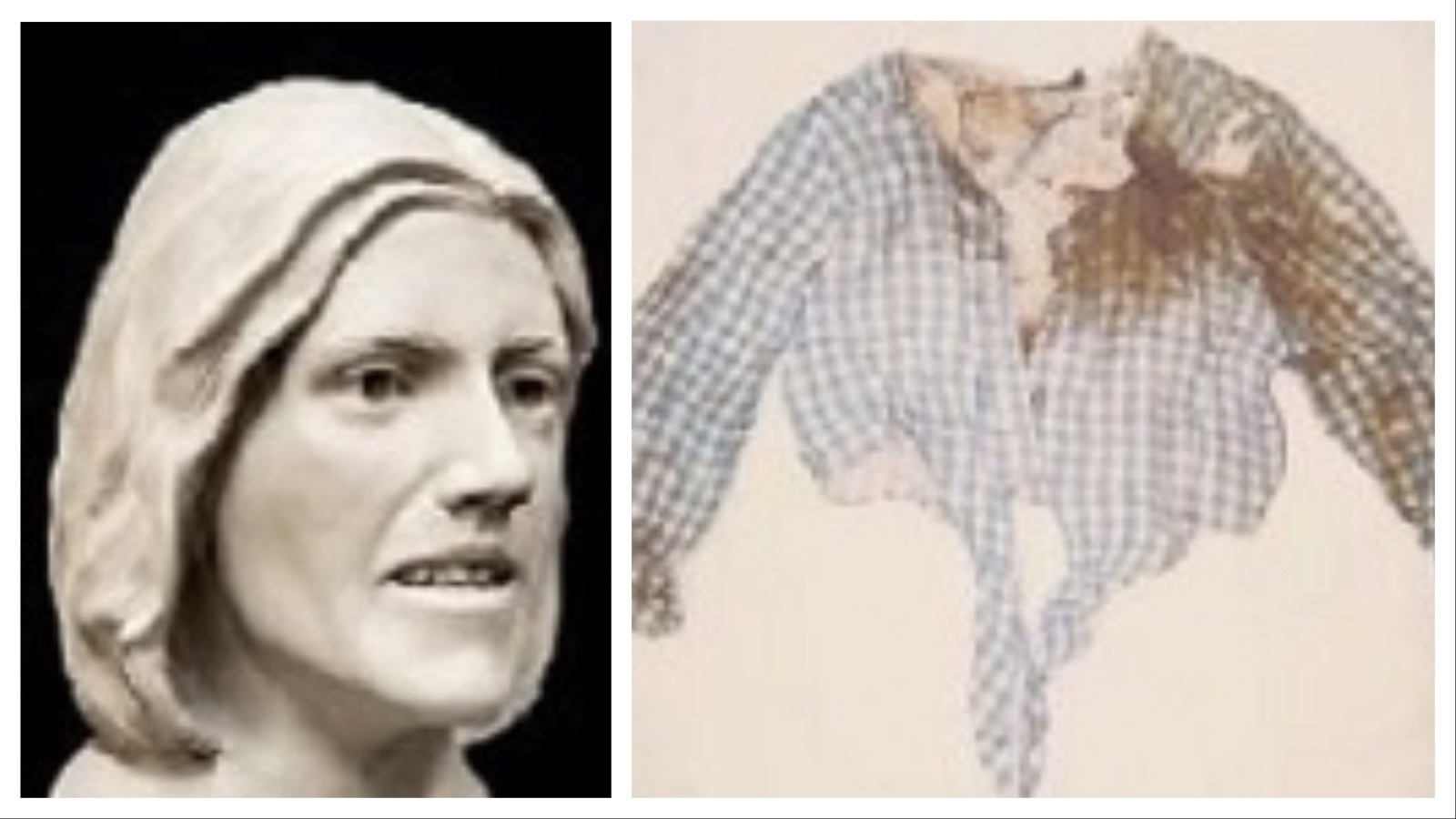
She was entered into case files as I-90 Jane Doe, her face reconstructed through clay models and later in digital renderings. For decades, she remained one of thousands of unnamed victims in cold case databases.

After thirty-three years, she finally has her name back. She was Cindi Arleen Estrada, a 21-year-old woman from Torrance, California. She had a history, a family, and a life before Wyoming. Now, that story can be told.

She Was Not Forgotten

Cindi was born in Southern California in 1971. She had long brown hair, wide-set eyes, and a softness in her expression that survived even in the few photographs that remain. She grew up in the neighborhoods south of Los Angeles, surrounded by the noise and energy of city life.

Her early years were not without hardship. She spent time apart from her biological family, later reconnecting with them. Friends and relatives recall a young woman navigating her twenties with resilience and a search for belonging.

By 1992, she was in Torrance, keeping in touch with family intermittently. She was young, looking for stability, and trying to shape a life that felt like her own. Then, she disappeared.

Two Wyoming Jane Does, One Killer

On April 8, 1992, Cindiโ€™s body was found near Interstate 90. A month earlier, on March 1, another woman was discovered near Bitter Creek, close to Rock Springs. This woman was also unidentified and became known as Bitter Creek Betty, later confirmed to be Irene Garcia Vasquez.

Both women were found nude, left near major highways in Wyoming, and murdered in similar ways. Neither had identification, and neither was connected to the state by residence or work. For years, the two murders remained separate cold cases with no clear suspect.

How DNA Connected the Cases

Advancements in forensic science changed everything. Evidence from both women was re-examined, and the DNA profiles matched the same man. That man was Clark Perry Baldwin, a former long-haul truck driver with a history of violence against women and a connection to other murders in multiple states.

Baldwin had been investigated in the early 1990s for assault but evaded serious charges. His work as a truck driver gave him access to isolated locations and allowed him to move freely across state lines. This mobility let him hide in plain sight, targeting women who were vulnerable or traveling alone.

In 2020, Baldwin was arrested. He was convicted in Tennessee for another murder and now faces extradition to Wyoming to stand trial for the murders of Cindi Estrada and Irene Garcia Vasquez.

Forensic Genealogy Gives Cindi Her Name

Even after Baldwinโ€™s arrest, I-90 Jane Doe remained unnamed. That changed when investigators turned to forensic genealogy. By uploading her DNA profile to public ancestry databases, they identified distant relatives and began building a family tree.

Eventually, this led to her biological mother, who provided the confirmation investigators needed. After decades of uncertainty, Cindiโ€™s mother finally knew what had happened to her daughter.

What We Know About Her Final Days

Cindi had no known reason to be in Wyoming. She may have been hitchhiking, traveling to meet someone, or simply trying to get to another city when she crossed paths with Baldwin. His pattern shows he exploited the trust of women who were traveling, isolating them before committing the crime.

It is believed she was killed elsewhere and her body was left near Sheridan, far from her home and those who knew her. Her life was stolen, her name erased, and her case left unsolved for over three decades.

A Second Name Returned

With Cindiโ€™s identity confirmed, prosecutors can now move forward with charging Baldwin for her murder and for the murder of Irene Garcia Vasquez. Both women have their names restored. Both cases are active again.

These women are not just cold case statistics. They are part of Wyomingโ€™s history, and their stories will now be told in court.

Why Cindiโ€™s Story Matters

Cold cases often fade from public attention, but each one represents a person with a full life, dreams, and loved ones left behind. Cindiโ€™s identification is the result of persistence, improved technology, and the refusal of her family and investigators to give up.

She was never just a body found along the highway. She was a daughter. She was loved. And now, she is remembered by name.

Her name is Cindi Arleen Estrada. She was 21 years old. She mattered in life, and she matters now.

xoxo
-S

As an amateur true crime writer, I strive to provide accurate and well-researched information. However, please be aware that I am not a professional investigator or journalist, and my work is based on available sources and my understanding of the case. There may be inaccuracies or incomplete details in my posts. I encourage readers to seek out additional sources and verify information from official and professional channels. Thank you for your understanding and support.
Why Do Animals Tilt Their Heads?

The Science Behind the Cute

I came across this on Facebook the other day and it got me thinking about this whole cute critter head tilt situation…

There is a special kind of magic in watching an animal tilt its head. One moment they are locked onto you with steady eyes and focused ears, and the next they tip sideways as if they have discovered something worth paying closer attention to. The movement is subtle but changes the energy of the entire moment. It softens their features, adds a spark of curiosity, and often makes them look as if they are deep in thought.

The head tilt carries many purposes. It can help an animal gather information, sharpen its senses, or respond in a way that strengthens connection. In some cases, it even works as a little extra charm that wins attention from humans.

Hearing in High Definition
Sound plays a major role in how animals interact with their environment. Tilting the head changes the way sound enters the ears, which can make it easier to locate the source of a noise. This ability can be vital for survival, especially for predators who depend on accurate detection.

Owls are especially skilled in this area. Their ears are not positioned evenly on their heads, which gives them an advanced form of directional hearing. A tilt allows them to refine their focus, detecting even the softest sound with impressive precision.

Clearing the View
Animals with longer snouts, such as dogs and foxes, sometimes tilt their heads to improve vision. The shape of the muzzle can block part of their view, especially when looking at something close. By shifting the angle of their head, they create a clearer line of sight and bring both eyes into better alignment.

This adjustment can make all the difference for a hunter lining up a pounce. In a home setting, it might help a dog track the exact location of a treat or toy.

When Curiosity Takes Over
A tilt can happen when something new catches their attention. A sudden sound, an unfamiliar scent, or movement in the distance can prompt the motion. The change in perspective helps them gather more details before deciding on a response.

The movement feels deliberate, almost like an extra moment of study. It allows them to take in more information without stepping closer or committing to action too soon.

A Little Social Charm
Dogs often discover that tilting their heads earns a strong response from people. It can bring smiles, affectionate tones, and even rewards. Over time, this encourages them to repeat the action as part of their interaction with humans.

Wild animals such as foxes do not tilt their heads for the sake of human reaction. Even so, the movement still has a way of pulling people in. A single image of a fox mid-tilt can feel like an intimate glimpse into its world.

Why We Melt When We See It
There is something about the sideways look that draws people in and creates a sense of closeness. Researchers believe this reaction may connect to protective instincts that humans naturally feel toward infants. The large, round eyes and the slight exaggeration in posture work together to spark a strong emotional pull.

Because of this, the head tilt has become a favorite in photography and video. The expression appears natural because it is part of genuine behavior, not a pose.

The Layer Beneath the Cute
Part of the head tiltโ€™s appeal comes from its mix of purpose and personality. It is functional, yet it also gives a clear sense of the animalโ€™s presence and awareness. It shows that the animal is engaged with its surroundings and processing what is happening.

A fox caught on a trail camera during a head tilt is demonstrating focus and sensory awareness in a way that happens to be visually irresistible.

Bringing It Closer to Home
I once saw a neighborโ€™s dog tilt his head in the slowest, most deliberate way. His eyes stayed locked on mine as his ears twitched slightly, and the movement took long enough that it almost felt like he was testing my reaction. The moment was funny, but it also showed a deep level of attention. He was gathering information about me and the situation before deciding what to do next. That simple action made me think about how much animals observe the world around them and how intentional their movements can be.

The next time a head tilt appears, it will hold more meaning. It is a sign of focus, perception, and instinct, captured in a single motion that has fascinated humans for generations.

xoxo
-S

The Glamour Hangover

Coping with post-even burnout, dopamine crashes, and the emotional aftermath of high-prep beauty moments.

Feeling the emotional crash after a big event? This post explores the glamour hangover, beauty burnout, and the quiet come down after pageants, photoshoots, and high prep moments. It is okay to feel it.

Thereโ€™s this little window of time after a big event where everything feels still, but not the peaceful kind of still. The kind that hums in your bones and leaves you feeling a little hollow. It doesnโ€™t matter if it was a pinup contest, a photoshoot, or just a long anticipated night out. Once the glitter settles, thereโ€™s often a quiet crash. A glamour hangover.

Itโ€™s a real thing. A post event dopamine drop. A beauty burnout. That foggy, flat feeling you get after youโ€™ve poured everything into getting ready, showing up, meeting people, and being fully on… and then suddenly, itโ€™s over.

Nobody really talks about the emotional prep that goes into these kinds of events. Itโ€™s not just about hair spray and lashes. Itโ€™s the curation of a look, the anticipation, the mental rehearsal. Itโ€™s putting on a version of yourself that doesnโ€™t always get to take center stage.

And when it clicks, when your outfit lands, your lipstick holds up, and you feel that moment of being truly seen, it feels like magic. You shine a little brighter. You laugh a little louder. And for a while, you forget the weight youโ€™ve been carrying.

But then comes the crash.

You peel off the lashes. You unpin the curls. You take off the heels and the shapewear and the version of yourself you crafted for that day. The group chat slows down. The buzz dies off. You wake up the next morning wondering what to do with all that leftover adrenaline.

Thatโ€™s the part no one warns you about. The emotional toll of performance beauty. The post glamour stillness that can feel like sadness. And itโ€™s not because anything went wrong. Sometimes, itโ€™s because everything went right.

For me, that crash shows up like a kind of post event burnout. A dip in motivation. An ache to relive what already passed. I try to push through it sometimes… clean the house, scroll too much, throw myself into something else… but honestly, it helps more when I just name it.

Itโ€™s okay to feel a little off after the high of being seen, celebrated, and surrounded by people. Itโ€™s okay to feel tired after showing up in your most curated form. It makes sense. That version of you took effort. Heart. Intention.

And the part of you that exists without lashes and lipstick? She deserves to rest.

If youโ€™ve felt that after the show ache, the post pageant stillness, or the dopamine crash after a big event, youโ€™re not alone. Let yourself feel it. Let yourself come down gently. Youโ€™ll find your way back to the mirror when youโ€™re ready.

If youโ€™ve felt that after-the-show ache, the post pageant stillness, or the dopamine crash after a big event, youโ€™re not alone. Let yourself feel it. Let yourself come down gently. And when you’re ready, here are a few ways Iโ€™ve learned to soften the crash without pushing it away:

  • Give yourself a low-pressure ritual. A cozy bath, a slow coffee, a favorite playlist… not to reset, but to land softly.
  • Name the feeling out loud. Glamour hangover. Post event drop. It sounds silly, but calling it what it is helps take away the shame.
  • Capture the moment in a way that honors it. Write it down. Print a photo. Say what you loved about it before your brain moves on.
  • Donโ€™t rush into reinvention. Thereโ€™s pressure to plan the next thing immediately. You donโ€™t have to. Let the afterglow last a bit.
  • Remember, this is part of the process. The crash doesnโ€™t mean youโ€™re broken. It means you cared. It means you showed up.

You donโ€™t have to fix it right away. But you can tend to it. The beauty wasnโ€™t fake. The moment wasnโ€™t too much. You just need a little softness on the other side.

xoxo
-S

Core Strength for Roller Derby

The Key to Better Balance, Hits, and Endurance

Build power, balance, and endurance on the track with targeted core training. Learn why core strength matters in roller derby and how to train it off-skates.

If you’re training for roller derby and feel like your balance, control, or endurance are lagging, core strength might be the missing piece. Building a strong core isn’t just about aesthetics. Itโ€™s about staying upright in a scrum, delivering clean hits, and recovering fast when things get messy.

Letโ€™s talk about what core strength really means for derby skaters, how to know if youโ€™re lacking it, and what you can do off-skates to build it.


What Is Core Strength in Roller Derby?

When we talk about the core, we donโ€™t just mean abs. Your core includes your deep abdominal muscles, obliques, spinal stabilizers, pelvic floor, diaphragm, hip flexors, and glutes. Itโ€™s the center of your body and the foundation for every movement you make on skates.

In roller derby, your core is what keeps you in a stable stance, helps you absorb impact, and allows you to shift direction quickly without losing control.


Why Roller Derby Skaters Need Core Stability

Strong legs and cardio endurance are important. But without a solid core, youโ€™re skating on shaky ground. Core strength supports:

  • Stability in derby stance
  • Control during stops and transitions
  • Power in lateral and explosive movements
  • Balance when taking or delivering a hit
  • Recovery after a fall or misstep
  • Injury prevention, especially for the lower back and knees

If you feel like your upper body collapses during a jam or you struggle to stay low when fatigued, thatโ€™s your core calling for help.


Signs Your Core Needs Work

  • You canโ€™t hold a low stance for long without your back hurting
  • You feel wobbly during transitions or after contact
  • You tend to lead with your shoulders instead of your hips
  • Your back or hips feel overworked after practice
  • Your knees take all the stress during plow stops or laterals

These are all signs your body is compensating for a weak or unengaged core.


Off-Skates Core Workouts for Derby Training

You donโ€™t need a gym membership or fancy equipment. Just a few targeted movements, done consistently, will build the strength and control you need on the track.

Here are my go-to moves for roller derby cross-training:

1. Dead Bugs

Perfect for engaging your deep core muscles without stressing your spine.

2. Bird Dogs

Great for balance, posture, and teaching your body to move with control.

3. Side Planks

Strengthens obliques, glutes, and shoulder stability. All are key for lateral movements and bracing.

4. Glute Bridges or Banded Clamshells

These fire up your glutes and build pelvic stability, which helps protect your back and knees.

5. Russian Twists or Kettlebell Pull Throughs

Build rotational core control. Ideal for jammers who spin and blockers who need to redirect quickly.


How to Add Core Training to Your Derby Routine

Start small. Ten to fifteen minutes, two to three times per week. Focus on slow, intentional movement. This isnโ€™t about chasing a burn. Itโ€™s about building long-term control.

Pair core work with mobility drills and youโ€™ll start to notice the difference in your skating. Better balance, smoother transitions, more explosive hits, and less fatigue after practice.


Final Thoughts

Your core is your anchor on the track. Strengthening it gives you more than just muscle. It gives you confidence, control, and the ability to stay in the game longer.

Want more off-skates derby workouts? Check out the rest of the [Do It Derby] posts for tips that actually translate to your performance.

Got a favorite core move that helps you stay low and stable on the track? Drop it in the comments. Iโ€™m always adding to my training toolbox.

xoxo
-S

Blood in the Hills

The Unsolved Murder of Elena Sanchez Hawkins and the Man Set to Walk Free

In 1992, Elena Hawkins was murdered in her Kentucky home. Now, a man with a chillingly similar crime is about to walk free and her case is still unsolved.

It was a quiet January morning in 1992 when the blood of a young mother stained the floor of her Kentucky home. Nearly 33 years later, the man whose crimes bear a chilling resemblance to her murder is about to be released.

His name is Ernest Pine.

And Elenaโ€™s case is still cold.

โ€œMommyโ€™s bleeding.โ€

Thatโ€™s what Elena Hawkinsโ€™s toddler told his father over the phone.

Michael Hawkins had called home from work, just a regular check-in; but what he heard instead was the voice of their youngest son, confused and scared, reporting something no child should ever have to say.

When Michael rushed back to their home just off Bardstown Road near Boston, Kentucky, what he found was pure horror. Twenty-nine-year-old Elena lay on the floor, her throat slashed and her body brutalized. She had been raped, her wrists bound. Their two children were inside the house.

There was no sign of forced entry. No evidence of a struggle with a stranger. Police said it looked like Elena had known her attacker.

And then… silence.

No arrests. No justice. No peace.

A nightmare, repeated

Fifteen years passed.

Then, in 2007, a woman in Hardinsburg, just 45 minutes from Elizabethtown, was violently attacked in her own home. Her name has not been made public, but the brutality of the crime is etched into the record.

The attacker was a man named Ernest Pine, and what he did was eerily familiar. He entered through a window, raped her, slashed her throat, and left her for dead.

She survived. She played dead, waited until he left, and then got help.

Pine was arrested, charged, and in 2009 pleaded guilty to rape, attempted murder, burglary, and sodomy. He was sentenced to 20 years.

But now, after serving less than that, Ernest Pine is scheduled to be released on August 19, 2025.

Echoes of 1992

When news of the 2007 attack broke, investigators immediately noticed the parallels to Elena Hawkinsโ€™s unsolved murder. The violence. The sexual assault. The weapon. The method.

And the geography.

Ernest Pine had previously lived in Elizabethtown. The Hawkins family home was not far from there. Suddenly, Elenaโ€™s case did not feel so cold anymore.

Kentucky State Police confirmed they were reviewing the similarities. They never publicly named Pine as a suspect, but the dots were hard to ignore.

Still, no charges have ever been filed in connection to Elenaโ€™s murder.

So what now?

A violent predator is about to walk free. A woman is still dead. Two sons grew up without their mother, and a family has lived with three decades of silence.

And maybe, just maybe, somewhere in that silence is the answer.

Authorities have renewed interest in Elenaโ€™s case. They want the publicโ€™s help. If Pine had anything to do with what happened in that house in 1992, someone knows something.

They are hoping it is finally time to talk.

If you know something

Kentucky State Police Post 4 in Elizabethtown is still accepting tips. Even if it seems small. Even if it feels like a stretch. Sometimes the missing piece is the one no one thought mattered.

๐Ÿ“ž KSP Post 4, Elizabethtown
(270) 766-5078

Final thoughts

Ernest Pine is about to re-enter the world. He will step back into the hills of Kentucky as a free man, while Elena Hawkins remains frozen in time, bound not just by rope but by the silence that has followed her name for over 30 years.

Her case deserves more than memory. It deserves justice.

And maybe, this time, someone will speak.

Stay safe, be alert, speak up. We need to work harder to keep monsters behind bars.

xoxo
-S

As an amateur true crime writer, I strive to provide accurate and well-researched information. However, please be aware that I am not a professional investigator or journalist, and my work is based on available sources and my understanding of the case. There may be inaccuracies or incomplete details in my posts. I encourage readers to seek out additional sources and verify information from official and professional channels. Thank you for your understanding and support.
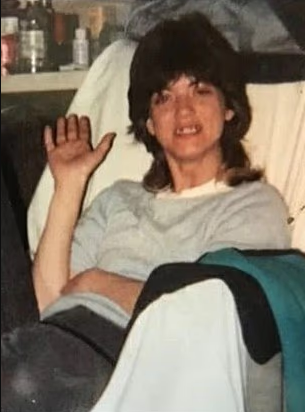
Sadly there are not too many photos available of Elena.

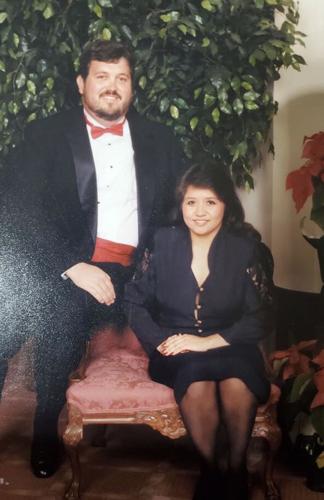
This is the man that is soon to walk free.

Why You Might Gain Weight After Intense Workouts

(Even If You’re Getting Stronger)

This weekend wrecked me. In the best way, and also in the what is happening to my body kind of way.

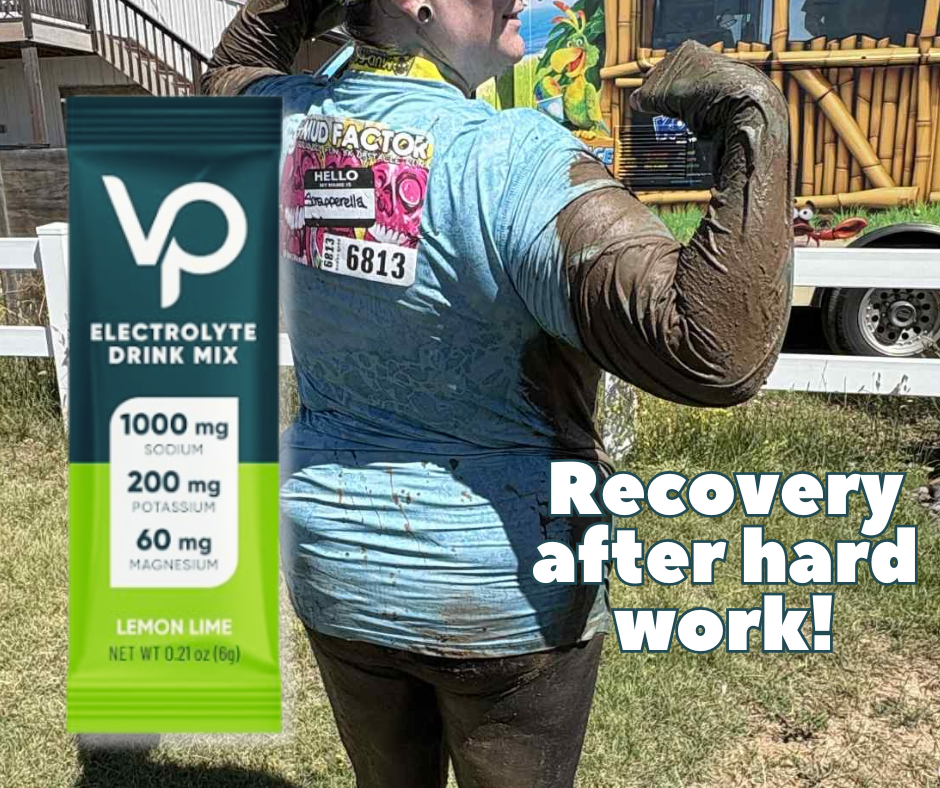
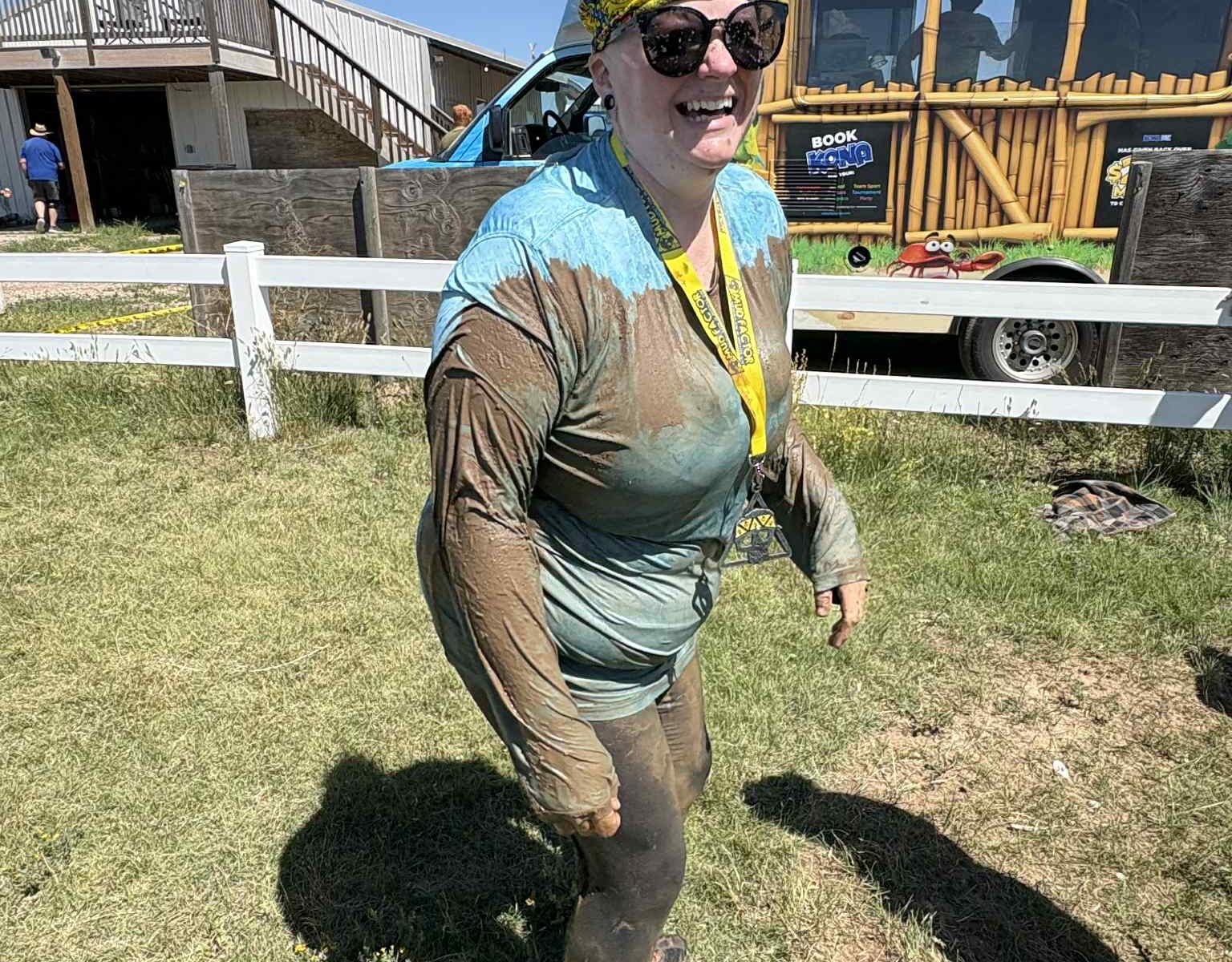
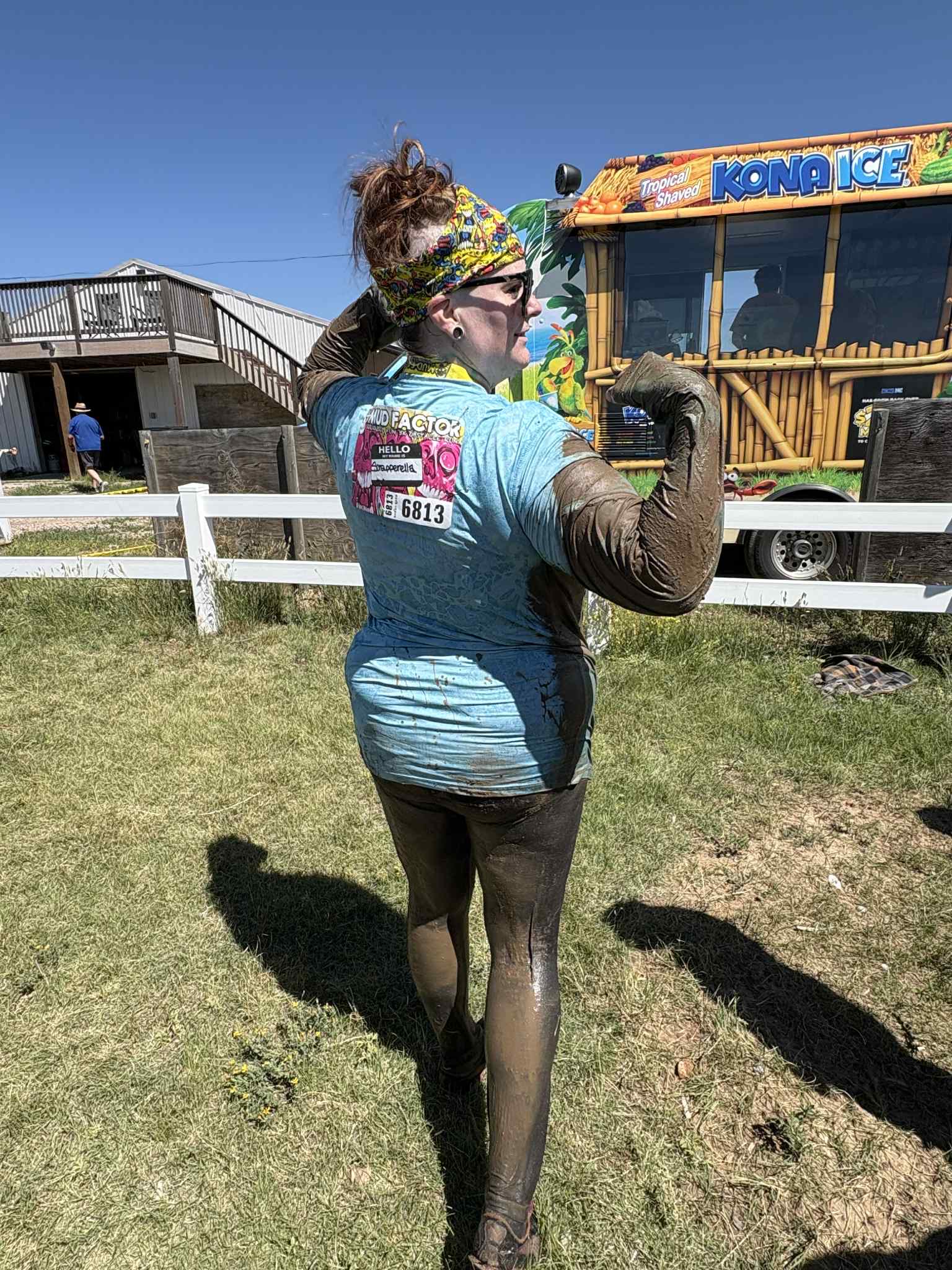
I did a high-level, three-hour derby practice that pushed every limit I had. Then I turned around the next day and ran a full mud run. Weโ€™re talking slick hills, army crawls, water pits, and laughing so hard my ribs hurt. My legs were toast, my face sunburned, and my body? Puffier than a can of biscuits in July heat.

When I stepped on the scale Monday morning, I was almost four pounds heavier than the day before.

But hereโ€™s the thing. I didnโ€™t gain four pounds of fat.
I didnโ€™t backslide.
Iโ€™m not undoing my progress.
And if this sounds familiar to you, neither are you.

This is one of the most common experiences people have after a tough workout. Weight gain after intense exercise is real, but it isnโ€™t what you think.


Why Your Body Holds Onto Weight After a Workout

When you train hard, especially multiple days in a row, your body goes into full repair mode. And that comes with some misunderstood side effects.

Inflammation From Muscle Repair

Intense activity creates tiny tears in your muscle fibers. Thatโ€™s how you get stronger. Your body sends extra fluid and immune cells to repair the damage. The result? Swelling, puffiness, and water retention. Not fat gain.

Glycogen Storage Brings Water With It

After depleting your energy stores, your body works to restock. Glycogen, which is stored carbohydrate, binds to water. For every gram of glycogen, your body holds onto three to four grams of water. So when your muscles refuel, your weight temporarily goes up.

Cortisol Triggers Fluid Retention

Physical stress, even the positive kind, spikes cortisol. That hormone helps with repair but also causes your body to hold onto water, especially in the face and legs.

Lymphatic Slowdown

Your lymph system flushes out waste and excess fluid. After big exertion, it can get overwhelmed. Fluid may pool, leading to puffiness in the face, legs, and hands.

What Iโ€™m Doing to Recover (and What Might Help You Too)

Because this is about care, not panic!

  • Hydration, but make it electrolytes. Water alone isnโ€™t enough. Electrolytes help pull fluid into cells where it belongs and flush the rest.
    • I’m a big fan of LMNT, but I’m also a champagne girl on a beer budget; lately I’ve been loving these electrolyte sticks that I find highly comparable to LMNT for a much lower price point!
  • Movement that doesnโ€™t suck. Iโ€™m walking, stretching, and foam rolling. Nothing heroic. Just keeping things flowing.
  • Sleep. Not always easy, but non-negotiable. Thatโ€™s when the real repair happens.
  • Compression. Iโ€™m not above rocking my derby leggings off-track. They help.
  • Magnesium. It eases soreness, supports muscle repair, and helps release excess fluid.
  • Not cutting food. My body needs fuel right now, not punishment.

This Is What Getting Stronger Looks Like

Weโ€™re so conditioned to fear the scale. To see a few extra pounds and think we failed.

But in reality, this kind of temporary weight gain is a sign that your body is healing. Muscles are repairing. Systems are rebalancing. You are getting stronger, not slipping backward.

Post-workout inflammation and water retention are normal parts of recovery, especially for women lifting heavy, training hard, or pushing limits in sports like derby.

So if youโ€™ve ever felt confused or discouraged by scale fluctuations after a hard weekend, let this be your reminder.

You didnโ€™t gain weight.
You gained progress!

That’s the kind of weight Iโ€™ll carry it proudly.

xoxo
-S

Affiliate Disclosure: This post contains affiliate links. If you click on these links and make a purchase, I may earn a small commission at no additional cost to you. I only recommend products and services that I personally use and believe in. Thank you for supporting my blog!

First-Time Mud Factor 5K Review

What Itโ€™s Really Like to Do a Mud Run

Honest review of the Mud Factor 5K mud run. What to expect, what to pack, and how it feels to show up when youโ€™re nervous but do it anyway.

This past weekend, I tackled the Mud Factor 5K. Itโ€™s a non-competitive mud run and obstacle course designed for fun, not finish times. You donโ€™t have to be an athlete to show up. You just need a sense of humor, a change of clothes, and a willingness to get filthy. I hadnโ€™t done an event like this in years, and I didnโ€™t know most of the people I was running with. I wasnโ€™t sure what to expect. But I showed up anyway, and Iโ€™m glad I did.

I didnโ€™t train beyond my usual activity, and Iโ€™ll be honest, I was a little nervous going in.

Some of that was about the course, but more of it came from the fact that I didnโ€™t know the people I was running with very well. Walking into something that already feels physically unfamiliar is one thing. Doing it with people you havenโ€™t really spent time with yet adds a different kind of weight. I wasnโ€™t sure how it would go. But once we started moving, it just worked.

We laughed from start to finish. I fell a few times, but the mud was soft and easy to land in. The slicker spots had me sliding around like Bambi on ice, and I was genuinely thankful for all the skate training Iโ€™ve had. It saved me more than once. No one was in a rush. We stayed together, found a rhythm, and let the day be what it was.

There were kids on the course, and they absolutely held their own. A few obstacles looked a little intimidating for them, so we stopped and cheered until they made it through. I loved that part. The clapping and hollering and lifting each other up. Itโ€™s one of those things that just happens when youโ€™re all in it together.

At the start, we thought we might stay mostly clean. The early sections werenโ€™t too messy. Then the real mud showed up, and there was no getting around it. Thick, wet, grabby stuff that sucked your shoes off and made every step a little funnier than the last. People slipped, people slid, and everyone was smiling.

One little guy got kicked in the face by accident and popped right back up. Brushed it off and kept going like nothing happened. I was so proud of that little dude. He was showing everyone around him what it meant to be tough.

The final stretch had an army crawl through cold, murky water and then a giant slip and slide laid out across a field. They gave us the choice to go down on our butt or our belly. We chose belly. It was fast, bumpy, and absolutely full of rocks. We laughed the whole way down. And if I didnโ€™t feel beat up before, I definitely did after this.

We crossed the finish line soaked, sore, and proud. They handed us medals, and I took mine with a grin. The rinse station was barely a trickle, but I had packed towels, a three-gallon jug of water, and a full change of clothes in the back of my Jeep.

By the time we got back to the car, my legs were tired, my elbows were scraped, and my entire core had been worked in ways I didnโ€™t expect. It reminded me that there is always room for improvement in the gym.

As for the event itself, I thought it was great. It was well organized and had a laid-back, welcoming atmosphere. I did think there would be more obstacles, but what was there was enjoyable and felt doable for just about anyone. There were ways to skip certain challenges or avoid the mud entirely, and no one was penalized or called out for that. The course was very beginner-friendly, and I loved that it included people of all ages. We got a medal, a T-shirt, and a genuinely fun experience. I do wish the rinse station had a bit more water pressure, but I was still thankful it was provided at all!

Doing hard things doesnโ€™t always mean pushing to some extreme. Sometimes it means showing up even when you feel unsure. Signing up for something that makes you hesitate. Following through anyway. I didnโ€™t know everyone. I didnโ€™t have a plan. I still went.

Iโ€™m always proud of myself when I fight through that fear and follow through. It never stops being hard. But it keeps proving that I can.

xoxo
-S

Bathmat Sovereignty

The house was quiet for days.

After the fall of House Horatio, I thought there might be some kind of dramatic return. Maybe a single leg peeking out from behind the curtain. Maybe Horbtio, full of nerves and unfinished business, would try to sneak back in.

But no one came.

They were gone. All three.

The tub was just a tub again. Empty. Unhaunted. Strangely sterile. And if Iโ€™m being honest, I missed them. Thatโ€™s the part that caught me off guard. I missed the presence. The weird stillness. The sense that I wasnโ€™t alone in the bathroom but that it was okay somehow.

Their absence echoed.

And then, tonight, she arrived.

Sleek. Sharp. Built like sheโ€™s been through things. I spotted her immediately, perched near the drain with the kind of confidence only something ancient can pull off. She didnโ€™t flinch. Didnโ€™t dart. Just looked up at me like, โ€œYou know who I am.โ€

Her name is HorDtio.

She is not Horatio. She is not Horbtio or Horctio. Sheโ€™s something else. Bigger maybe, or just more decisive. She didnโ€™t hesitate. She didnโ€™t need to test the waters. She made eye contact. She meant it.

So I did what Iโ€™ve learned to do. I escorted her out.

I used the same old cup. The one with a crack in the side. I set her gently on the back porch in a shaded corner near the planter pots. The night air was still warm. I even told her good luck.

Ten minutes later, she was back.

I watched her walk through the laundry room and down the hall like she had a key. No panic. No scuttle. Just intention. She turned the corner, crossed the threshold, and returned to the tub like nothing had changed.

Same corner. Same posture. Same claim.

I didnโ€™t know spiders could do that. I didnโ€™t know they remembered like that. But she remembered. She knew where she belonged.

And I let her.

Because HorDtio isnโ€™t a house guest. She isnโ€™t a drifter. Sheโ€™s a sovereign. She arrived with purpose and reclaimed her throne without asking permission. She didnโ€™t have to.

Maybe sheโ€™s the last in a line. Maybe sheโ€™s the beginning of something new. I donโ€™t know. All I know is that my tub has a queen again.

And this time, Iโ€™m not touching her.

But if she invites roommates, theyโ€™re all getting evicted without ceremony.

Let the court resume.

xoxo
-S

Why Do I Always Freak Out Before a Bout?

A brain spiral in three acts.

Every single bout day, without fail, I go through it.

Iโ€™m driving to the rink. Gear packed, playlist blasting, probably already late. And my whole body is like nope. Full-body dread. The intrusive thoughts start spinning:
Why do I do this? I donโ€™t wanna do this. I wish I wasnโ€™t doing this.
Even though Iโ€™ve been looking forward to it all week. Even though I love Roller Derby. Even though Iโ€™m proud to wear my team colors and skate with my crew.

But for whatever reason, game day flips a switch in my brain and I start second-guessing everything. My skills. My role. My place. Myself.

And thenโ€ฆ I start skating.
And suddenly, Iโ€™m fine.

More than fine. Iโ€™m alive in a way I forget I can be. Focused, feral, free. All the noise in my head falls away the second my wheels hit the track. Itโ€™s like flipping a light switch in the middle of a thunderstorm. Everything calms down, sharpens up, and makes sense again.

So what the hell is that about?

Turns out, Iโ€™m not alone.

That pre-bout spiral? Itโ€™s a thing. A super common thing. Hereโ€™s why it happens (and why it doesnโ€™t mean youโ€™re broken or secretly hate Derby):


1. Anticipatory Anxiety Is Loud AF

Before the game even starts, your body and brain are prepping for a big-deal event. Your nervous system doesnโ€™t care that itโ€™s fun. It knows stakes are high, people are watching, and youโ€™re about to get hit and hit back. Cue adrenaline dump. Cue doubt. Cue panic.


2. Fight-Or-Flight Kicks In Early

On bout day, youโ€™re basically gearing up for battle. That pre-skate feeling of dread? Itโ€™s your body trying to get ready. But with nowhere to funnel that energy yet, it just sits there and simmers into anxiety. The second you start moving, though? It finds its purpose. Game on.


3. Your Brainโ€™s Just Being a Jerk

It throws every single insecurity at you on game day. โ€œYouโ€™re not good enough. Youโ€™re not strong enough. Youโ€™re gonna let your team down.โ€ Lies, all lies. But in the quiet moments before the whistle blows, those lies can get loud. Once youโ€™re skating, they donโ€™t stand a chance.


So what can you do about it?

Besides just riding it out (which, letโ€™s be real, works), here are a few things Iโ€™m learning to try:

  • Pre-bout brain break: Listen to something dumb. Watch a funny reel. Talk about anything but the game. Get out of your own head for a minute.
  • Name it: When the spiral starts, I remind myself this is just the usual pre-bout freakout. That simple recognition actually helps calm it down.
  • Ground yourself: Before you gear up, take a few minutes to breathe. Touch your skates. Stretch. Feel your feet. Remind yourself youโ€™re about to do something badass.
  • Anchor phrase: I like, โ€œWe hit people on purpose. Hell yeah.โ€ But you do you.

This sport is intense. It asks a lot of you. And it gives a lot back. But not before your brain tries to trip you on the way out the door.

Youโ€™re not weird if you freak out before a bout. Youโ€™re just a skater.

And if you need someone to remind you of that before your next game, Iโ€™m right here. Freaking out in my car. Sipping electrolytes. Wondering why I do this.

And then lacing up.
And doing it anyway.

xoxo
-S